The Western Cape government is moving to secure a provincial disaster declaration as the province battles a devastating combination of severe drought and widespread wildfires that have pushed resources to breaking point.
Anton Bredell, Western Cape Minister for Local Government, Environmental Affairs and Development Planning, announced on today that he will approach the provincial cabinet to request disaster classification for both the Southern Cape drought and the recent wave of destructive fires.
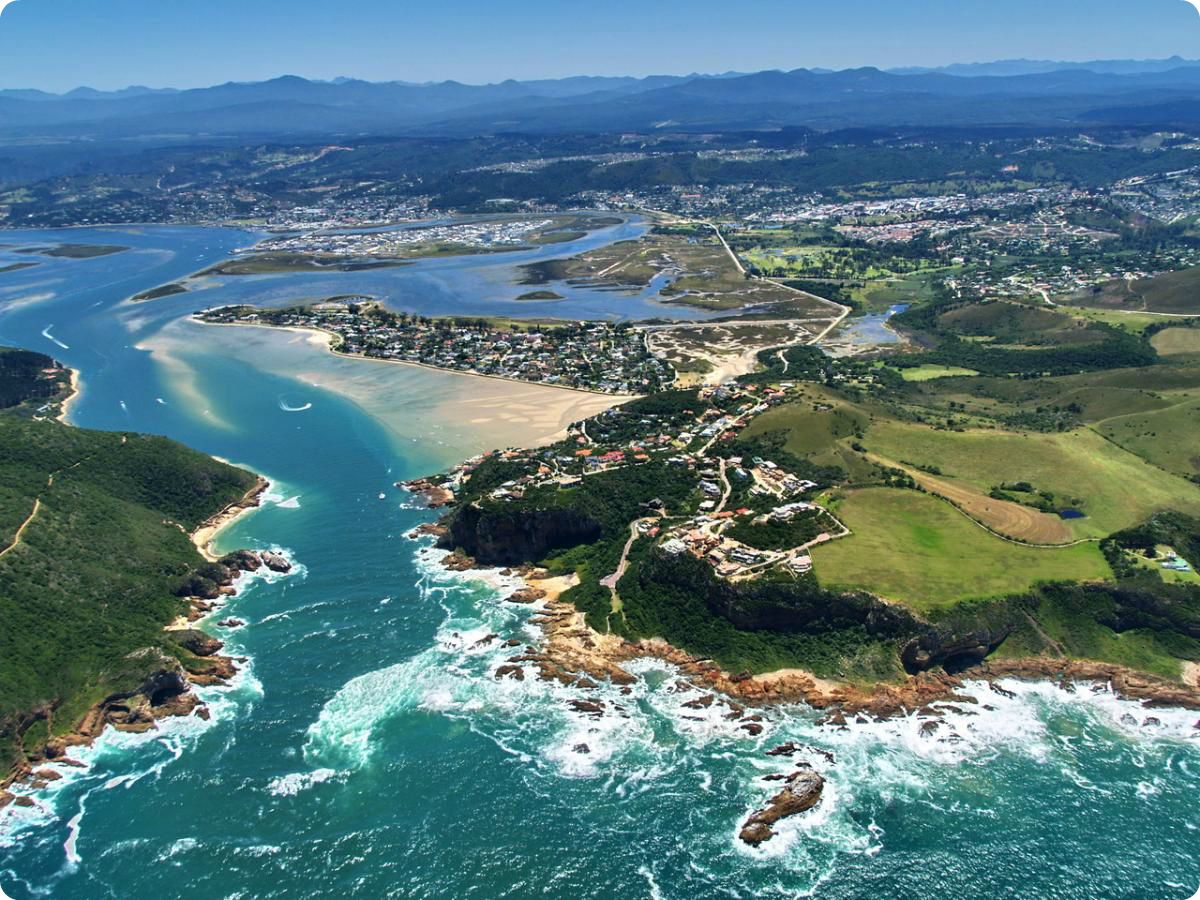
The coastal town of Knysna is at the epicentre of the water crisis, with its main water source, the Akkerkloof Dam, sitting at a critically low 15% capacity. The municipality now has just a 10-day water buffer remaining – a sharp decline from 13 days just one week ago.
“At this stage, Knysna consumes more water, 12 ML per day, than it can supply,” Bredell said during a briefing by the Knysna Joint Operations Committee. “We need to get consumption down to 50 litres per person per day, and together with the efforts to develop additional sources, we will get through this difficult time.”
The Joint Operations Committee, co-chaired by the Department of Local Government and Knysna Municipality, has implemented emergency measures to augment water supplies. These efforts include developing several natural springs with good quality water, refurbishing seven existing boreholes that require cleaning and new pumps, finalising agreements to access 10 boreholes on private land, and securing water access from a borehole at the local mosque.
ALSO READ: Garden Route water crisis deepens as Knysna faces critical 12-day supply shortage
Meanwhile, the province’s firefighting capabilities are under severe strain after an exceptionally active fire season. More than 100,000 hectares have already burned across the Western Cape, with over 500 firefighters currently deployed in the Overstrand and Cape Winelands regions alone.
The financial toll has been significant, with the province’s R17 million aerial firefighting budget now completely depleted. Despite this, Bredell assured that the province’s 21 aircraft will continue operating through internal budget adjustments.
“Our aerial firefighting budget of R17 million for this season is depleted, and we will now make internal financial adjustments to ensure the 21 aircraft at our disposal can fly,” he said.
With hot, dry conditions forecast to continue, authorities are bracing for an extended fire season that could stretch into April and May – well beyond the typical summer fire period.
A provincial disaster classification from the National Disaster Management Centre would provide crucial flexibility for the provincial government’s response efforts.
ALSO READ: WATCH | Wildfire threatens Pearly Beach as gale force winds reignite blaze
“A disaster declaration from the National Disaster Management Centre will allow us to focus across line functions and also to move funding quickly between programmes if and when needed,” Minister Bredell explained.
The declaration would enable faster resource allocation and coordination across different government departments, potentially crucial for both the immediate water crisis in Knysna and the ongoing fire management efforts across the province.
As the Western Cape enters what could be one of its most challenging summer seasons in recent years, the twin pressures of drought and fire are testing the province’s disaster preparedness and resource management capabilities to their limits.