

Iranian authorities executed an 18-year-old man on Thursday who was convicted of setting fire to a security forces base during January protests, as the Islamic republic intensifies its use of capital punishment during the ongoing war with the United States and Israel, rights groups said.
Amir Hossein Hatami was sentenced to death in February along with six others by a Tehran revolutionary court and was hanged at dawn in the notorious Ghezel Hesar prison outside the capital, according to Norway-based NGO Iran Human Rights.
The Iranian judiciary’s Mizan Online website said he acted “against national security” on behalf of Israel and the United States by breaking into “a military centre and destroying it in order to seize the weapons stored there” during the protests.
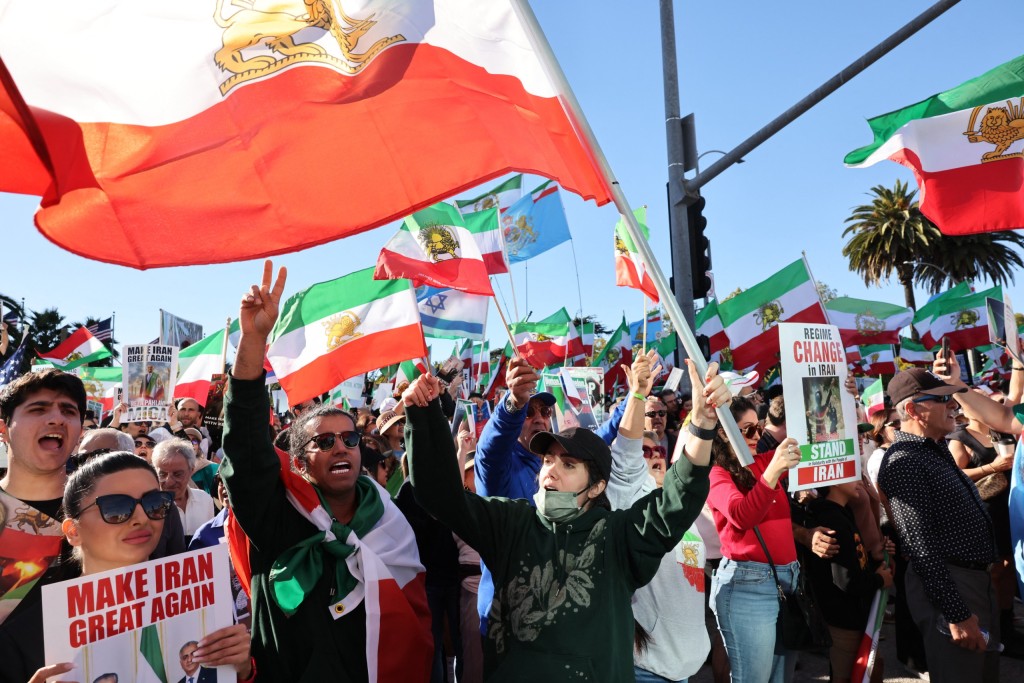
Hatami is the fourth man to be executed over protests that erupted in Iran in late December against the rising cost of living before evolving into nationwide anti-government demonstrations. The protests peaked on January 8 and 9 and were met with a crackdown that activists say left thousands dead.
On 19 March, authorities executed three men convicted of killing police in the protests, including 19-year-old Saleh Mohammadi, a wrestler who had competed internationally.
This week, authorities hanged four men convicted on charges of rebellion for membership in the banned People’s Mujahedin of Iran (MEK) after their sentences were upheld by the supreme court.
‘Torture and forced confessions’
Amir Hossein Hatami “was subjected to torture and sentenced based on forced confessions in a grossly unfair trial before the revolutionary Court,” said Mahmood Amiry-Moghaddam, director of Iran Human Rights.
“In the past two weeks alone, three protesters and four political prisoners have been executed, and hundreds more remain at imminent risk,” he added.
The seven defendants were accused of setting fire to a base belonging to the Basij militia — a volunteer force of the Revolutionary Guards — in Tehran during the protests. But defence lawyers accused plainclothes forces of trapping protesters inside a building, locking the doors, and starting the fire themselves.
ALSO READ: DA demands action on Iranian human rights crisis as death toll mounts
International condemnation
Amnesty International had warned in a statement on Wednesday that the lives of Hatami and his six co-defendants were at risk.
“It is unconscionable that even as the population is reeling from conflict and mass bereavement amid the ongoing aerial bombardment by Israel and the US, the authorities continue to weaponize the death penalty to eradicate dissenting voices and further terrify people,” said Diana Eltahawy, Amnesty’s deputy director for the region.
Iran Human Rights said the seven men had been convicted in a fast-track trial — just one month after their arrest — by a court presided over by the notorious judge Abolqasem Salavati.
ALSO READ: Iranian protester spared death sentence as Trump warns of military action
Salavati was sanctioned in 2019 by the United States, which described him as the “Judge of Death” for his frequent imposition of death sentences.
Escalating violence
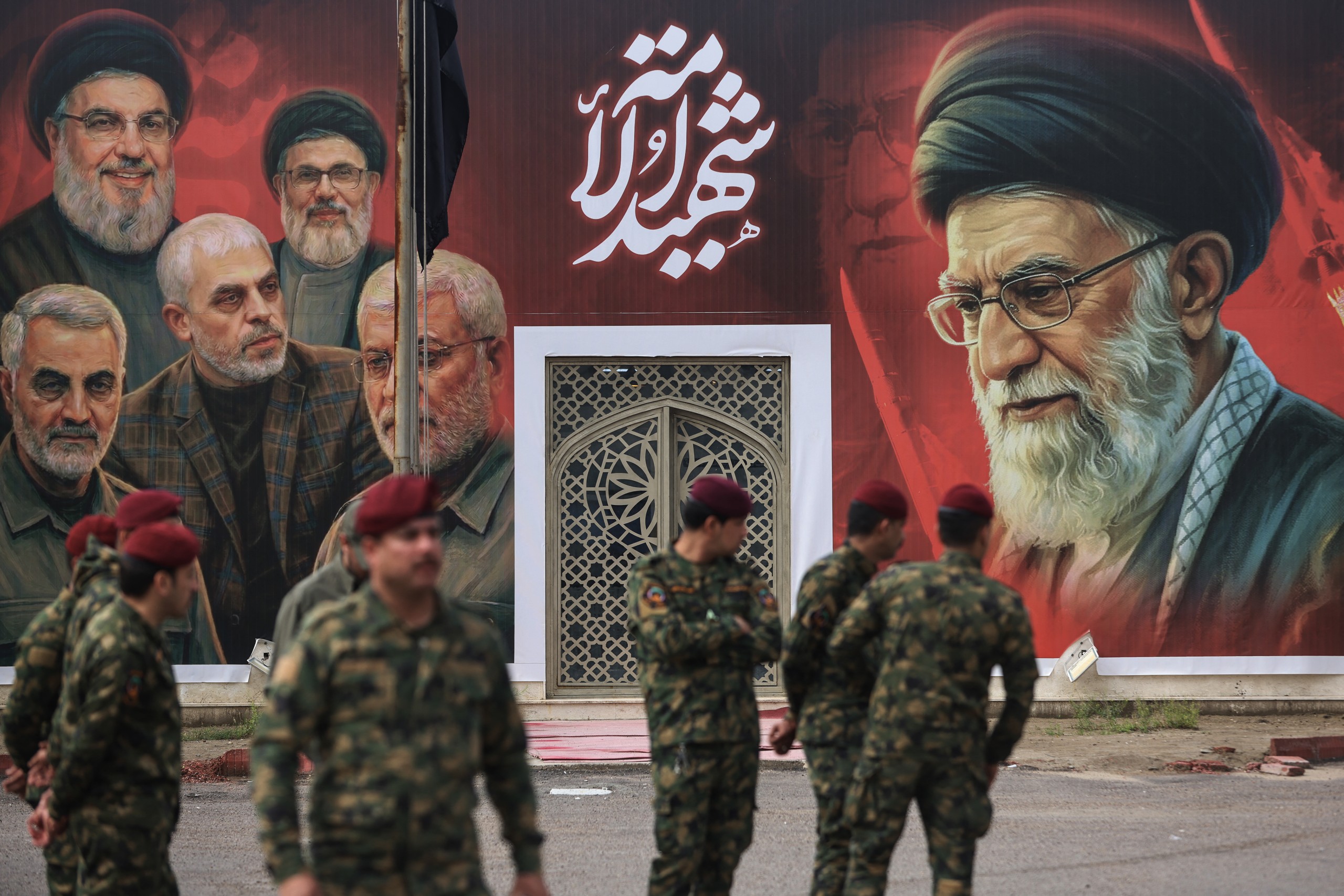
The executions came amid Iran’s war with Israel and the United States, which erupted on 28 February with strikes that killed the Islamic republic’s supreme leader, Ali Khamenei.
The US-based Human Rights Activists News Agency (HRANA) recorded more than 7 000 killings during the protests, the vast majority of them protesters, and said the toll could be far higher.
Tehran has acknowledged that more than 3 000 people died during the unrest, including members of the security forces and innocent bystanders, and has vowed no leniency for those it says were behind “terrorist acts.”
ALSO READ: Iran executes three men in first hangings over January protests



You must be logged in to post a comment.