

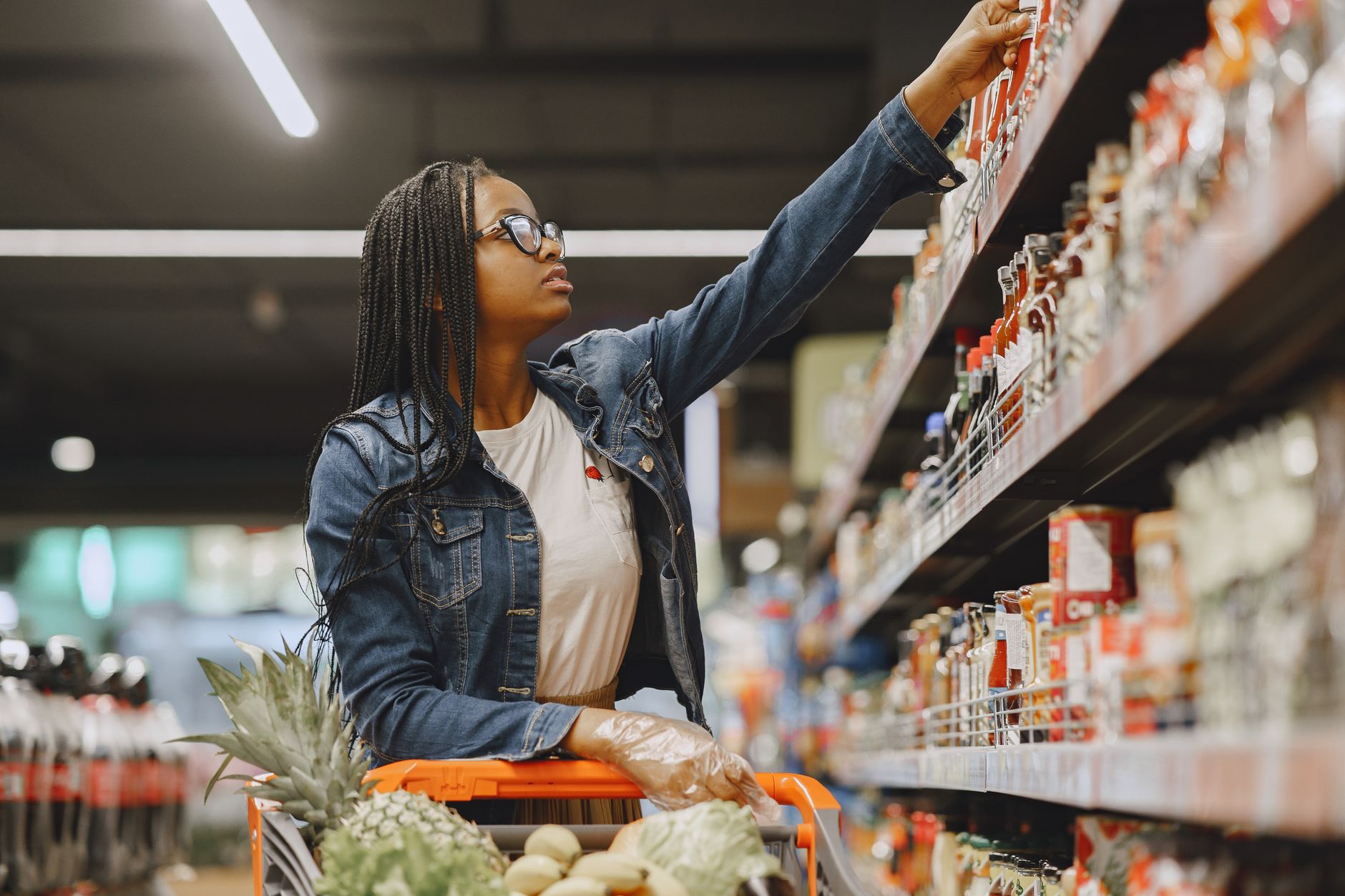
South African shoppers may believe they control their purchasing decisions, but retailers have spent decades perfecting techniques to influence what goes into trolleys.
Prof Roland Goldberg, an expert in consumer behaviour, retail and place marketing at North-West University, says stores are designed as “highly calculated, scientific obstacle courses” that exploit human psychology.
“We always think we are in full control of our free will when we walk through those doors with a trolley, but in reality, we are entering an environment carefully designed to influence where we walk, what we notice and how much we spend,” he says.
The tactics begin before shoppers even reach the first shelf.
Bigger trolleys, bigger bills
Trolleys have grown considerably larger over the years, and an almost empty one creates psychological discomfort.
“An almost empty trolley can make us feel that we have not bought enough,” says Goldberg.
Essential items like bread and milk are placed at the back of stores, forcing customers to walk past dozens of other products.
“Bread and milk are what we call destination products. People go to the store specifically to buy them. If they were placed at the entrance, customers could be in and out within two minutes, and the retailer would earn very little from that visit,” he explains.
Store layouts often leave shoppers slightly disorientated, encouraging them to abandon their shopping lists and browse instead.
The eye-level advantage
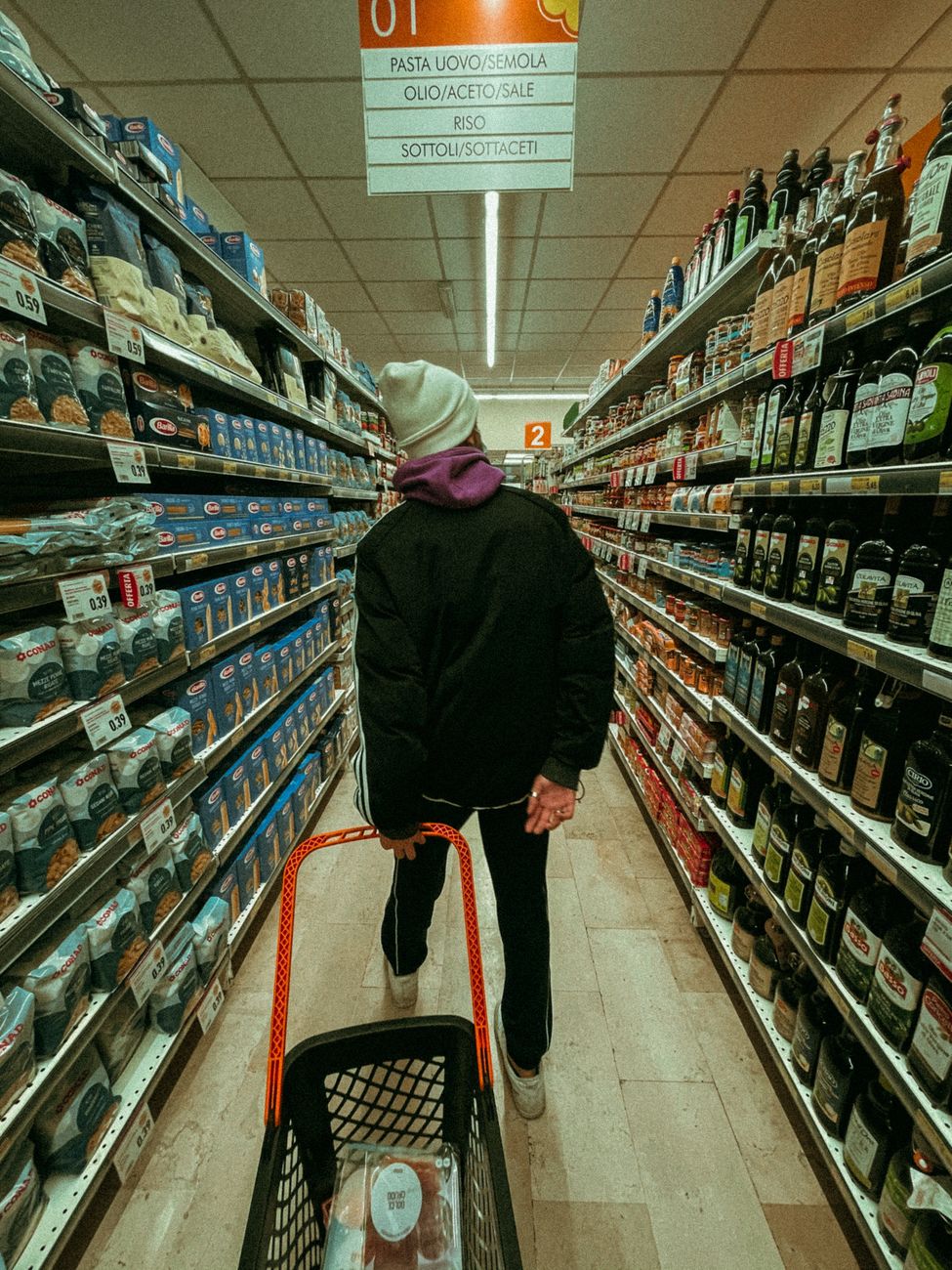
Retailers use detailed visual maps called planograms to determine product placement. The most valuable position sits directly in an adult shopper’s line of sight, approximately 1.5 metres from the floor.
“People generally follow the path of least resistance and grab what is directly in front of them. Manufacturers are prepared to pay substantial slotting fees for that shelf space because they know how valuable it is,” says Goldberg.
Shoppers willing to bend down often find better value. House brands, bulk packs and genuine bargains typically sit closer to ankle height, while premium products occupy shelves above eye level.
Children receive special attention from retailers. Colourful cereals, sweets and other high-margin products are positioned lower to match a child’s field of vision.
“Look at the cartoon characters on cereal boxes. Their eyes are often angled downwards so that they appear to make eye contact with a child walking beside the trolley or sitting inside it,” Goldberg says.
“That eye contact creates an emotional connection. The child begins pleading for the product, and the retailer knows that an exhausted parent shopping after work may eventually give in simply to keep the peace.”
Floors, scents and strategic fatigue
Even flooring plays a role in shopping behaviour. Near expensive products like wine or beauty items, floor tiles may become smaller, causing trolley wheels to click more rapidly.
“The trolley wheels click more quickly, the brain concludes that you are moving too fast, and you unconsciously slow down. Very few shoppers realise that something as ordinary as a floor can influence how long they remain in an aisle,” says Goldberg.
Retailers appeal to multiple senses. Flowers at store entrances create impressions of freshness, while the smell of coffee or bread from in-store bakeries makes shoppers feel at home and hungry.
“Scent is powerful because it connects closely with emotion. A hungry customer is also likely to spend considerably more than someone who has eaten before shopping,” he says.
By the time shoppers reach checkouts, hundreds of small decisions have created mental exhaustion.
“At that point, the brain is looking for a quick reward. That is precisely why chocolates and sweets are placed there,” Goldberg explains.
Checkout areas also stock batteries, razor blades, plasters and chewing gum – items shoppers may have forgotten.
Price psychology and loyalty traps
Pricing strategies exploit psychological anchoring. A high price is displayed, struck through and replaced with a lower figure.
“The brain anchors itself to that first figure, so the new price feels like a victory, even if the product remains expensive,” says Goldberg.
Purchase limits create artificial scarcity. Signs declaring “only four per customer” suggest exceptional value, prompting shoppers to buy multiple items they may not need.
“The best defence is to ignore the excitement and compare the unit price – the price per 100 grams or per litre. That is the cold, hard mathematics behind the marketing,” he advises.
Loyalty programmes offer genuine savings when food prices are high, but come with a trade-off. Retailers gain valuable data about purchasing patterns in exchange for discounts.
“Use the discount to protect your wallet, but never allow the game or the chase for points to determine what enters your trolley,” Goldberg says.
His advice for South African shoppers remains straightforward: eat before shopping, take a list and stick to it, compare unit prices and look beyond eye-level shelves.
“Every tactic works because it operates below our conscious awareness. The moment you can recognise it and name it, much of its power disappears.”
ALSO READ: Checkers launches South Africa’s first smart trolley trial to revolutionise shopping experience



You must be logged in to post a comment.