South Africa has paid at least R56.3-billion more for fuel imports since war in the Persian Gulf disrupted global oil markets, placing unprecedented pressure on consumers, businesses and the national fiscus.
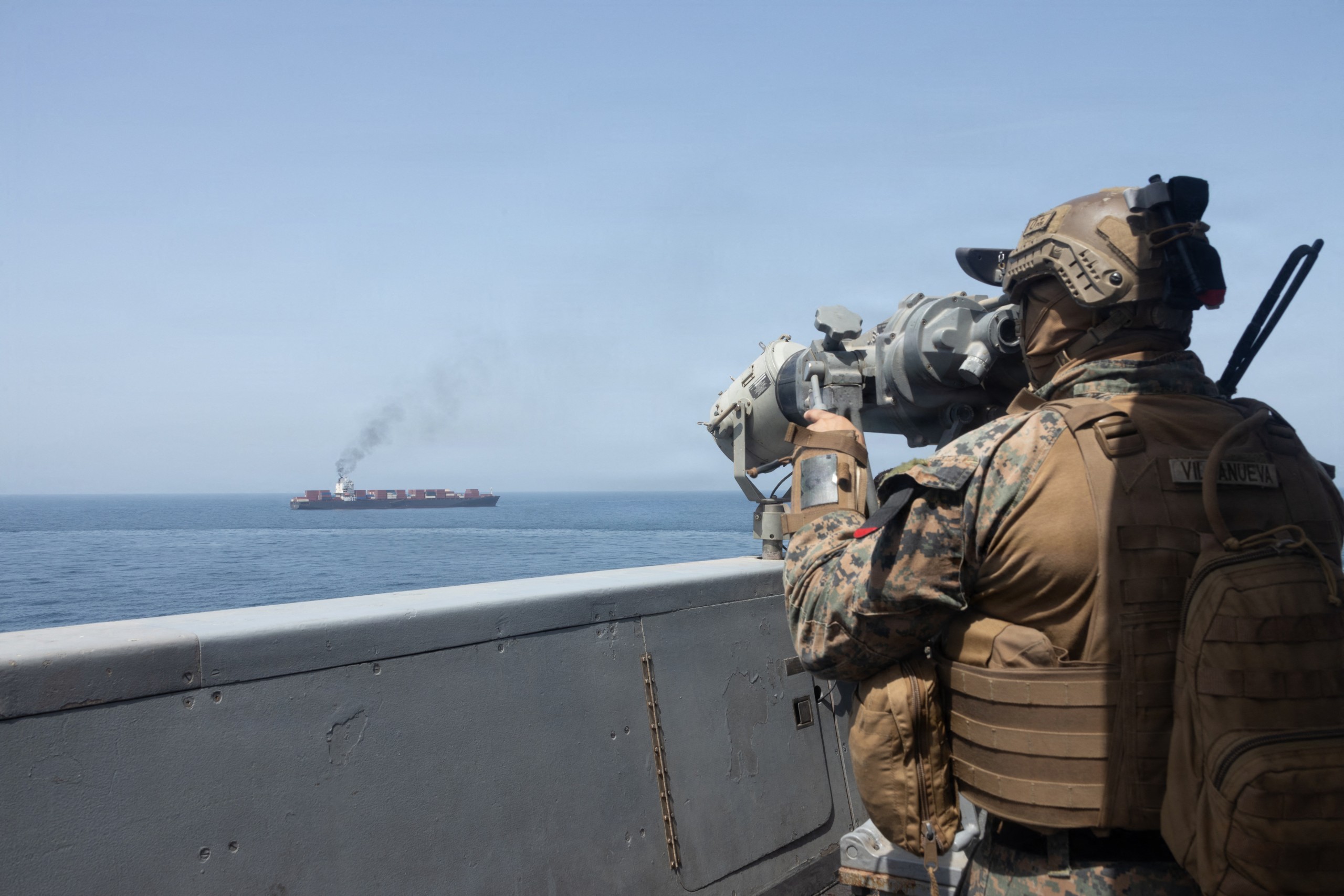
The conflict between the United States, Israel and Iran, which erupted in February this year, led to the effective closure of the Strait of Hormuz, a critical waterway through which 20% of the world’s oil supply normally passes. By June, Iran had officially sealed off the strait to all commercial shipping, triggering a sustained oil price shock that has exposed South Africa’s vulnerability to global energy disruptions.
Import bill balloons
The Centre for Research on Energy and Clean Air (CREA) analysis shows that between March and August, South African fuel importers paid approximately R56.3-billion in additional costs compared to pre-war market expectations. This conservative estimate excludes shipping costs, insurance premiums, taxes and profit margins, meaning the true impact on the economy is likely far higher.
The country’s heavy reliance on imported fuel has amplified the crisis. With local refineries such as SAPREF and Engen having shut down in recent years, South Africa now imports more than 60% of its total fuel demand and has become Africa’s largest petrol importer.
In 2025 alone, crude oil imports totalled $4.05-billion, with Nigeria supplying $1.485-billion worth, followed by Angola at $843.6-million, the United States at $569.7-million and Saudi Arabia at $505.4-million.
Government forced to intervene
To shield consumers from the worst of the price increases, the government introduced temporary fuel levy relief, which reached R3.93 per litre for diesel by May. However, this relief came at a steep cost. Between April and June, the Treasury forfeited an estimated R17.2-billion in tax revenue, far exceeding the national budget’s contingency reserve of roughly R10-billion.
Economists have warned that the fiscal burden of the relief measures, combined with the broader economic drag from higher fuel costs, poses serious risks to South Africa’s fragile recovery. Calculations suggest that elevated fuel prices added approximately R45-billion to the economy’s costs in the second quarter alone, representing just over 2% of quarterly GDP.
Diesel prices hit transport and logistics
While motorists saw petrol prices decrease by 52 cents per litre on 5 August, diesel prices surged by between R1.23 and R1.38 per litre, placing immediate strain on the transport and logistics sector. South Africa’s supply chain relies overwhelmingly on diesel-powered road freight, and the price hikes have reverberated through the economy.
Transport costs have soared by 12.7%, significantly outpacing general food inflation. A recent study by the University of Cape Town found that 40% of public transport users have been forced to travel less due to rising costs, while 31% of private motorists reported restricting their driving.
September will see diesel prices jump by more than R3 per litre, threatening to deepen the crisis for truckers, farmers and mining contractors.
Supply chain shifts
In response to the Strait of Hormuz closure, South Africa has been forced to diversify its fuel sources, shifting imports away from the Persian Gulf toward the Atlantic Basin. The country has ramped up shipments from the United States, West Africa, Brazil and Mexico to secure supply.
Despite historical ties, South Africa has not imported crude oil from Iran since 2012 due to international sanctions. Although Iran reportedly offered to supply crude oil to South Africa in April, ongoing US sanctions make such trade unfeasible.
Inflation and macroeconomic risks
The energy shock has triggered cost-push inflationary pressures across the economy. Although headline inflation moderated to 4.3% in July from 5% in June, analysts have cautioned that rising diesel prices and global oil market volatility pose significant upside risks.
Transport inflation fell from 12.7% in June to 8.9% in July, largely due to fuel price decreases implemented that month. However, economists warn that the August diesel hike and potential September increases could reverse this trend, keeping pressure on the South African Reserve Bank to maintain a cautious monetary policy stance.
Financial analysts have also flagged growing stagflation risks, with the potential for GDP contraction and a weaker rand as the energy crisis persists.
Strategic vulnerabilities exposed
The crisis has laid bare South Africa’s structural weaknesses in energy security. The country’s strategic fuel stocks are reported to be well below international standards, with reserves significantly lower than the 90-day mandate recommended by the International Energy Agency.
The decline in domestic refining capacity since 2020 has left South Africa importing 81% of its petrol, diesel and paraffin, making it highly susceptible to global supply chain disruptions. Industry experts have called for urgent investment in refining infrastructure and strategic stockpiling to mitigate future shocks.
As global oil prices remain volatile and the conflict in the Persian Gulf shows no signs of abating, South African consumers and businesses brace for continued uncertainty at the pumps.
- Source: CREA
ALSO READ: Fuel crisis threatens to cripple South African economy as prices set to soar