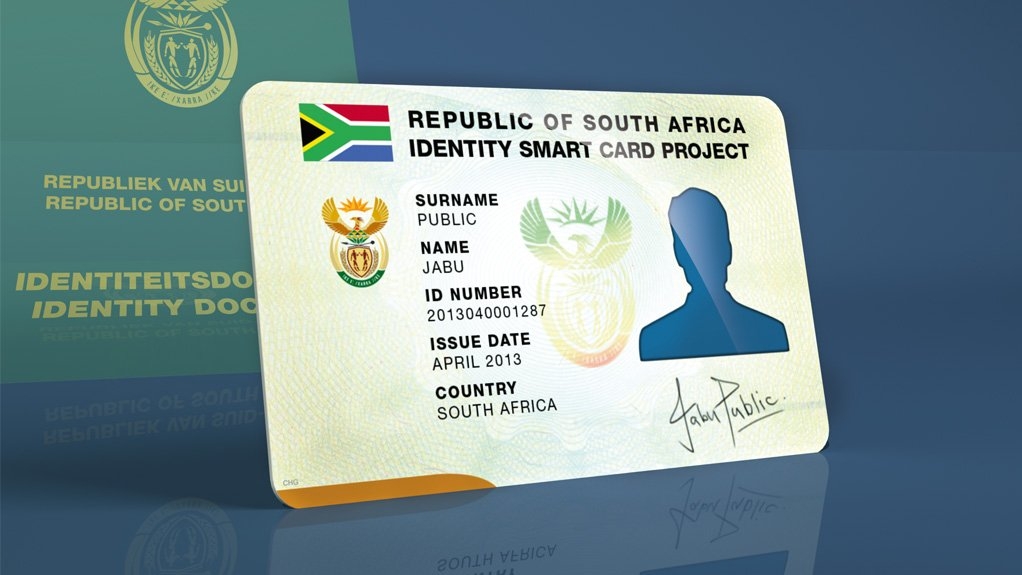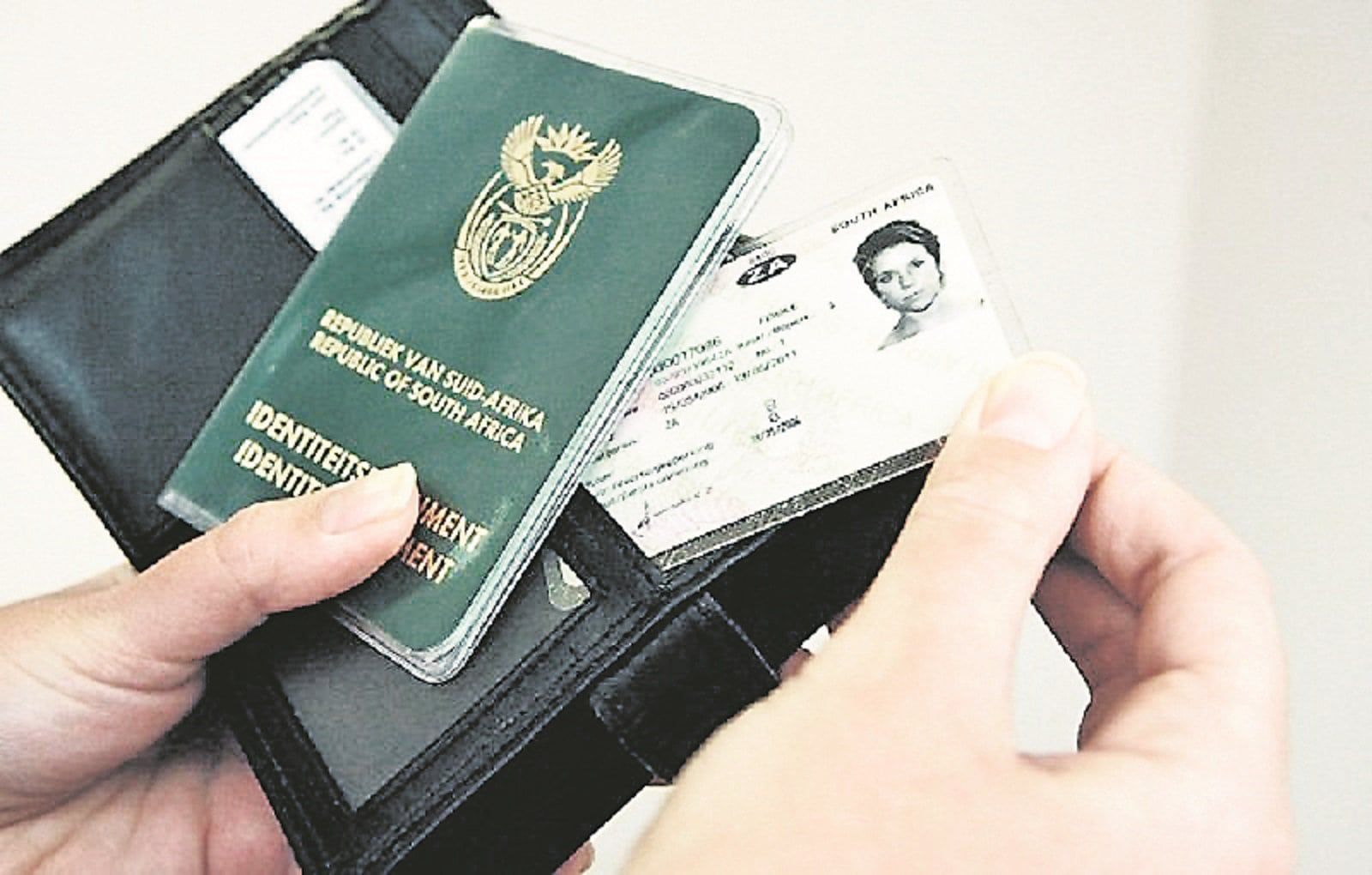
The Department of Home Affairs will permanently shut down production of the Green ID book on 31 March 2027, as part of a sweeping digital transformation that promises to end the days of endless queues and paper-based processes.
Minister of Home Affairs Leon Schreiber unveiled the ambitious reform programme at Constitution Hill yesterday (1 October), announcing that the fraud-prone Green ID book will cease to be valid identification from 31 March 2028.
The announcement forms part of what Schreiber calls a “quantum leap” that will reshape how 63 million South Africans access government services, moving from 329 physical offices to more than 1 000 digital service points at bank branches across the country.
“We are proving that even the most broken department in government can be fixed, quickly, so that we can restore the hope that South Africa as a whole can be fixed,” Schreiber said during his keynote address.
Digital services replace paper and queues
The transformation centres on three key projects: expanding physical document services to bank branches, introducing an Electronic Travel Authorisation (ETA) platform for visas, and building a Digital Identity system accessible through smartphones.
More than 822 500 people have already used the new Smart ID replacement service at 515 bank branches, where applications take just five minutes without any appointment or paperwork. The department plans to expand this to over 1 000 service points by the end of 2026, nearly five times more than the 214 locations available before the Government of National Unity formed.
Passport applications and first-time Smart ID applications will soon join the banking partnership, with secure courier delivery bringing documents directly to citizens’ doorsteps.
The ETA platform has already revolutionised visa processing for 53 countries, cutting approval times from weeks to just 24 hours. The system uses advanced biometrics, document verification and machine learning to eliminate fraud and delays. Study visas and work visas will join the platform in early 2027.
Citizens to control their own data
Schreiber demonstrated South Africa’s first working Digital ID during his address, using his own personal information as the country’s first official Digital Identity credential.
The voluntary system will allow citizens to see every time their data is accessed, effectively enabling “the citizen watching the state” rather than surveillance. The physical Smart ID card will remain available for those who prefer it.
“Through the power of Digital ID, we will move towards ending the era of submitting an application at all,” Schreiber explained, describing a future where Home Affairs contacts citizens six months before their passport expires with a pre-prepared renewal application.
Every citizen to be documented by 2029
The minister announced a historic campaign for the 2028/29 financial year to document every undocumented South African citizen for the first time in the country’s history.
As routine transactions move to bank branches and digital channels, Home Affairs officials will use mobile biometric technology to visit communities across the country, addressing a crisis where millions remain undocumented 32 years into democracy.
“By becoming the first government to ever empower all citizens with a formal recognition of their identity, we will practically restore the dignity of the millions of mostly black, rural and underserved citizens who have remained excluded from this aspect of our democratic transition for over three decades,” Schreiber said.
The department will also introduce biometrically-secured ePassports and automated gates at all ports of entry, eliminating manual passport stamping and reducing opportunities for corruption.
Action against corruption continues
Since July 2024, the department has secured 144 dismissals, 73 arrests and 10 convictions across Home Affairs and the Border Management Authority.
The reforms represent a fundamental shift from the department once known as “Hell Affairs,” where 306 000 visa applications sat unprocessed in cardboard boxes and more than a quarter of a million ID applications remained stuck in limbo.
Democratic Alliance spokesperson on Home Affairs Adrian Roos backed the transformation, saying it gives “practical meaning to the journey of delivering dignity for all.”
ALSO READ: Home Affairs accelerates digital transformation with bank partnerships and travel reforms