South Africa’s Department of Home Affairs is expanding digital services and streamlining processes to reduce red tape and position the country as a more attractive destination for investment, tourism and skilled workers.
Home Affairs Minister Leon Schreiber told delegates at the Xpatweb Annual Global Mobility Conference on Tuesday that the department had moved from planning to implementation, with measurable progress across several key reform areas.
Trusted Employer Scheme expanded
The department’s Trusted Employer Scheme has been broadened to include major infrastructure projects, companies establishing headquarters in South Africa and the financial services sector. The scheme is also being streamlined through reduced red tape and greater digitalisation. Companies interested in participating have until 4 September to apply.
Bank partnership delivers 422 000 Smart ID applications
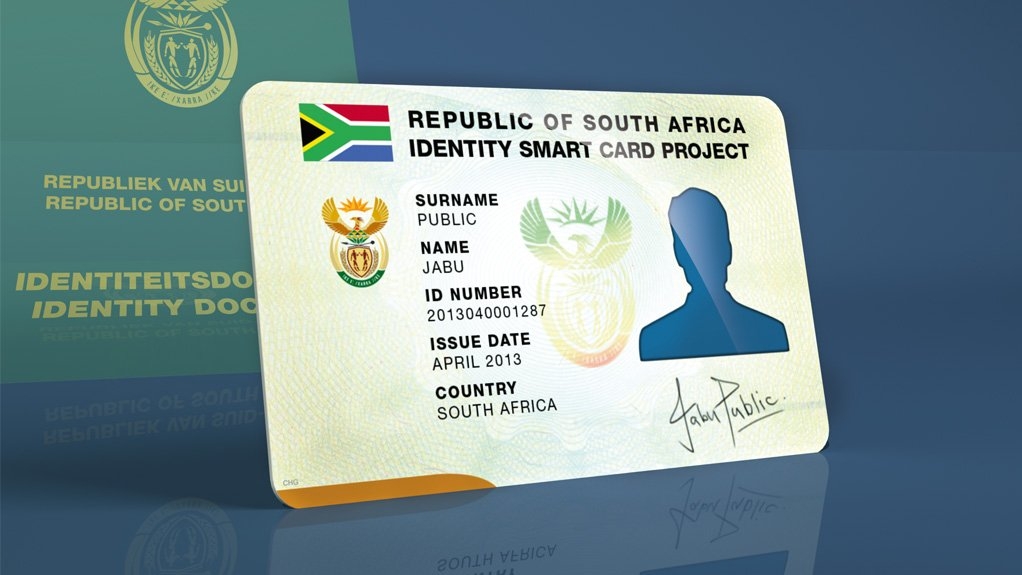
A partnership with the banking sector has allowed South Africans to apply for Smart ID cards at participating bank branches without paperwork or appointments. Schreiber said 422 119 applications had been processed through the partnership in just over four months.
The number of locations where citizens can obtain replacement Smart IDs has increased from 214 Home Affairs offices to 541 sites, with more than 750 bank branches expected to offer services by the end of the year. The expansion has been achieved without additional staff, budget or cost to taxpayers.
By the end of the year, passports and first-time Smart ID applications for adults and minors are also expected to become available at participating bank branches. Citizens will additionally have the option of having their IDs and passports delivered by courier to their homes before the end of 2026.
Schreiber said the expansion of Smart ID services would pave the way for the eventual discontinuation of the green identity document, which would help combat fraud and identity theft.
Digital ID system in development
The department is developing a voluntary Digital ID system that will allow South Africans to access secure digital versions of Home Affairs documents on their mobile devices, while retaining the option of using physical identity documents.
Electronic travel system processes 203 000 applications
The Electronic Travel Authorisation (ETA) system, initially piloted for travellers from China, India, Indonesia and Mexico, has processed more than 203 000 applications. The system uses machine learning, biometric verification and automated risk analysis to replace the country’s outdated visa operating model.
More than 5 700 fraudulent applications were rejected after the system detected fraudulent passports, manipulated documents and other indicators of fraud.
Schreiber said the system would be expanded to additional countries and visa categories, with study visas among the categories expected to be added by the end of the year. The department has also activated an extension module that will allow qualifying visitors already in South Africa, including visa-exempt travellers, to apply digitally for an additional 90 days.
The minister said the long-term goal was to turn the ETA into a comprehensive digital immigration platform covering a broader range of immigration services.
New immigration policy framework adopted
Cabinet has adopted the Revised White Paper on Citizenship, Immigration and Refugee Protection. Government intends to introduce legislation giving effect to the revised policy framework in Parliament at the beginning of the next financial year.
Schreiber said the broader reform programme, known as Home Affairs @ home, was aimed at using technology to decentralise access to government services and reduce the need for people to visit Home Affairs offices.
ALSO READ: Home Affairs partners with banks to cut queues and bring services closer to citizens