CAPE TOWN – The Department of Home Affairs is rolling out an ambitious digital transformation programme designed to modernise service delivery, strengthen border security and boost economic growth through improved visa processing.
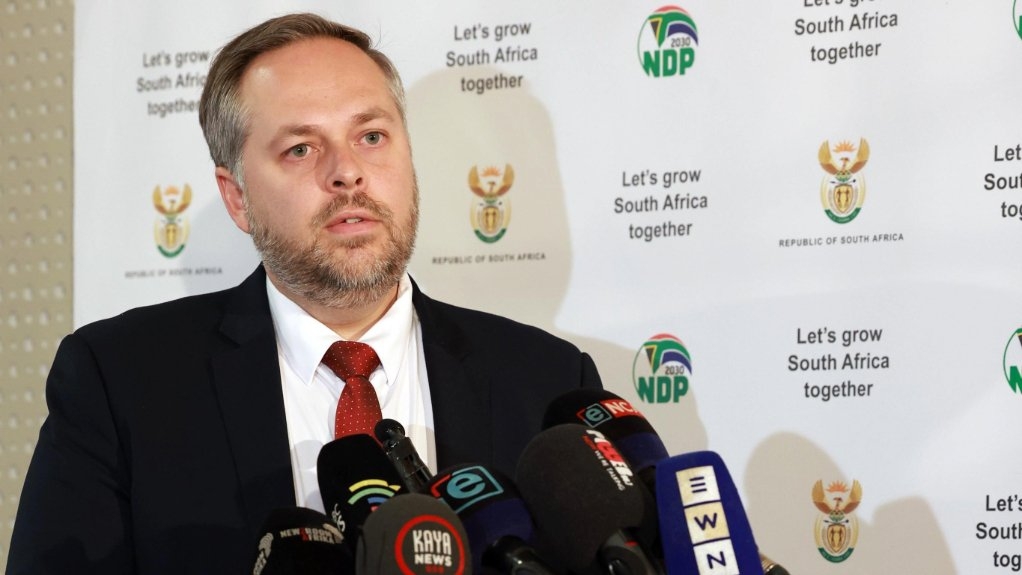
Minister of Home Affairs Leon Schreiber presented the department’s 2026 Budget Vote to the National Council of Provinces on Tuesday, outlining progress made under the “Home Affairs @ home” reform programme implemented over the past two years.
The initiative aims to transition away from physical offices and paper-based systems towards digital and biometric platforms across the Home Affairs ecosystem, which includes the Border Management Authority (BMA) and Government Printing Works.
Smart ID expansion accelerates
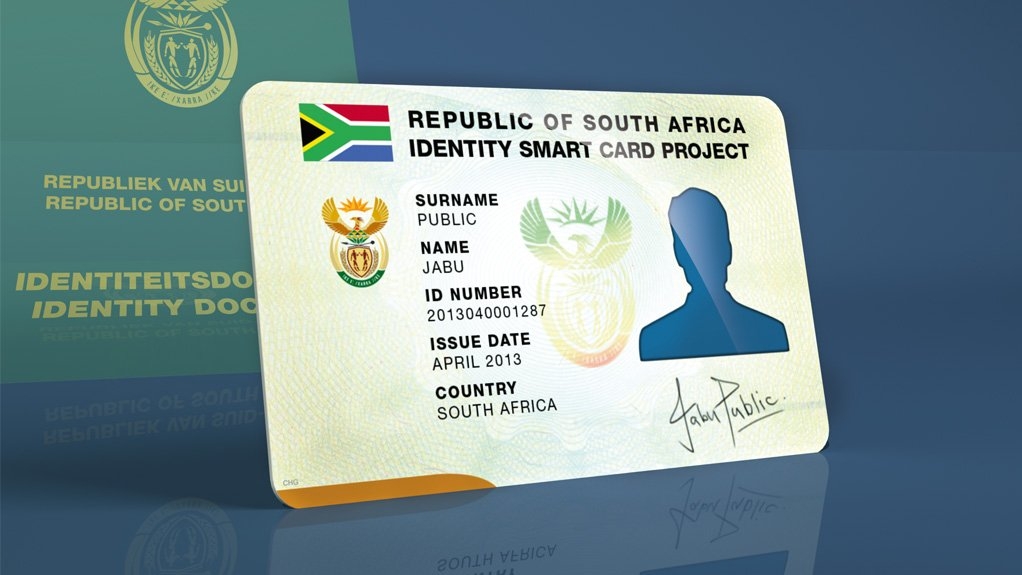
A key achievement highlighted by Schreiber was the rapid expansion of Smart ID replacement services to 167 bank branches nationwide within eight weeks of launching a new digital partnership model with banks.
The previous manual system had only reached 30 branches over a decade.
More than 127 000 South Africans have already used the new digital Smart ID replacement service, with applications now processed in as little as five minutes at participating branches.
The department has increased its target to make the service available at 750 bank branches by the end of 2026, prioritising rural and underserved communities.
The upgraded system eliminates paperwork, prior bookings and long queues through biometric verification technology.
Plans are underway to expand the digital platform to include first-time ID applications, passport applications and doorstep delivery of documents.
New booking system tackles corruption
An upgraded online booking system has been introduced after the previous platform was allegedly exploited by individuals who blocked and sold appointment slots to citizens.
Schreiber said the new booking system had been secured against such abuses and was expected to stabilise fully within weeks.
Digital identity infrastructure
The department is developing a Digital Identity system, which Schreiber described as “foundational national infrastructure” for the digital economy.
Draft regulations under the Identification Act have been published for public comment, with submissions closing on 6 June.
The proposed system will allow citizens to securely access Home Affairs services and documents on smartphones while enabling remote authentication.
Security gains through biometric systems
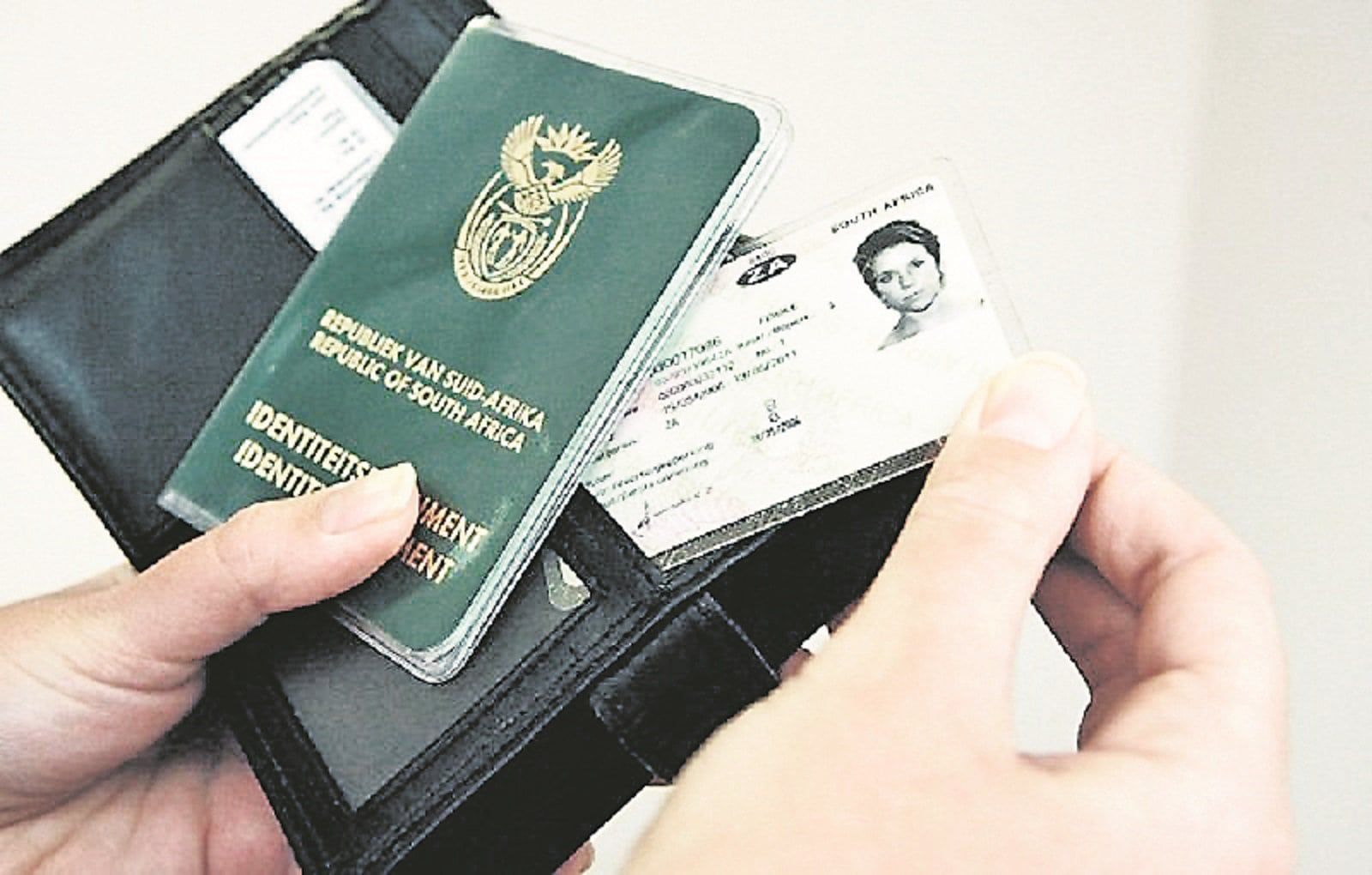
The Minister linked the digital transformation to national security efforts, stating that the expanded Smart ID rollout would help phase out the Green ID book, which he described as one of the most defrauded documents on the continent and a major source of identity theft and illegal immigration.
Last year, the department issued a record four million Smart IDs.
The Electronic Travel Authorisation (ETA) system, launched in October last year for tourists from China, India, Indonesia and Mexico, has already denied visas to more than 4 500 applicants through document verification and facial recognition checks.
The system records biometric data for foreigners entering South Africa and uses machine learning and facial recognition technology to verify travel documents and identities.
The ETA will be expanded to cover additional countries and visa categories in the coming weeks.
ALSO READ: 63 Home Affairs officials dismissed in corruption crackdown
Border infrastructure overhaul
The BMA has announced selected bidders for a R12.5 billion public-private partnership project to rebuild South Africa’s six busiest land ports of entry, which account for 80% of border traffic.
The new infrastructure will incorporate digital border systems and implement the One-Stop Border Post concept recently approved by Parliament.
Economic impact
Schreiber positioned Home Affairs as an economic enabler, particularly for tourism and international investment.
The ETA system now allows qualifying tourists to obtain visas digitally within 24 hours and apply online for visa extensions.
The Minister said inefficient visa processes had previously cost the tourism sector billions of rand and that the new system would help unlock new tourism markets and create jobs.
ALSO READ: Home Affairs partners with banks to cut queues and bring services closer to citizens