
Following an article published in the Hermanus Times (“Stony Point protection questioned”, Hermanus Times 17 June 2026) , Cape Nature has made it clear that they will continue with the fencing of Stony Point.
“CapeNature will commence with the phased installation of visitor control fencing and predator control fencing at Stony Point Nature Reserve later this year. These interventions are designed to support responsible tourism, reduce disturbance to penguin habitat, and improve the management of visitor movement throughout the reserve as visitor numbers continue to grow,” Cape Nature said in a press release.
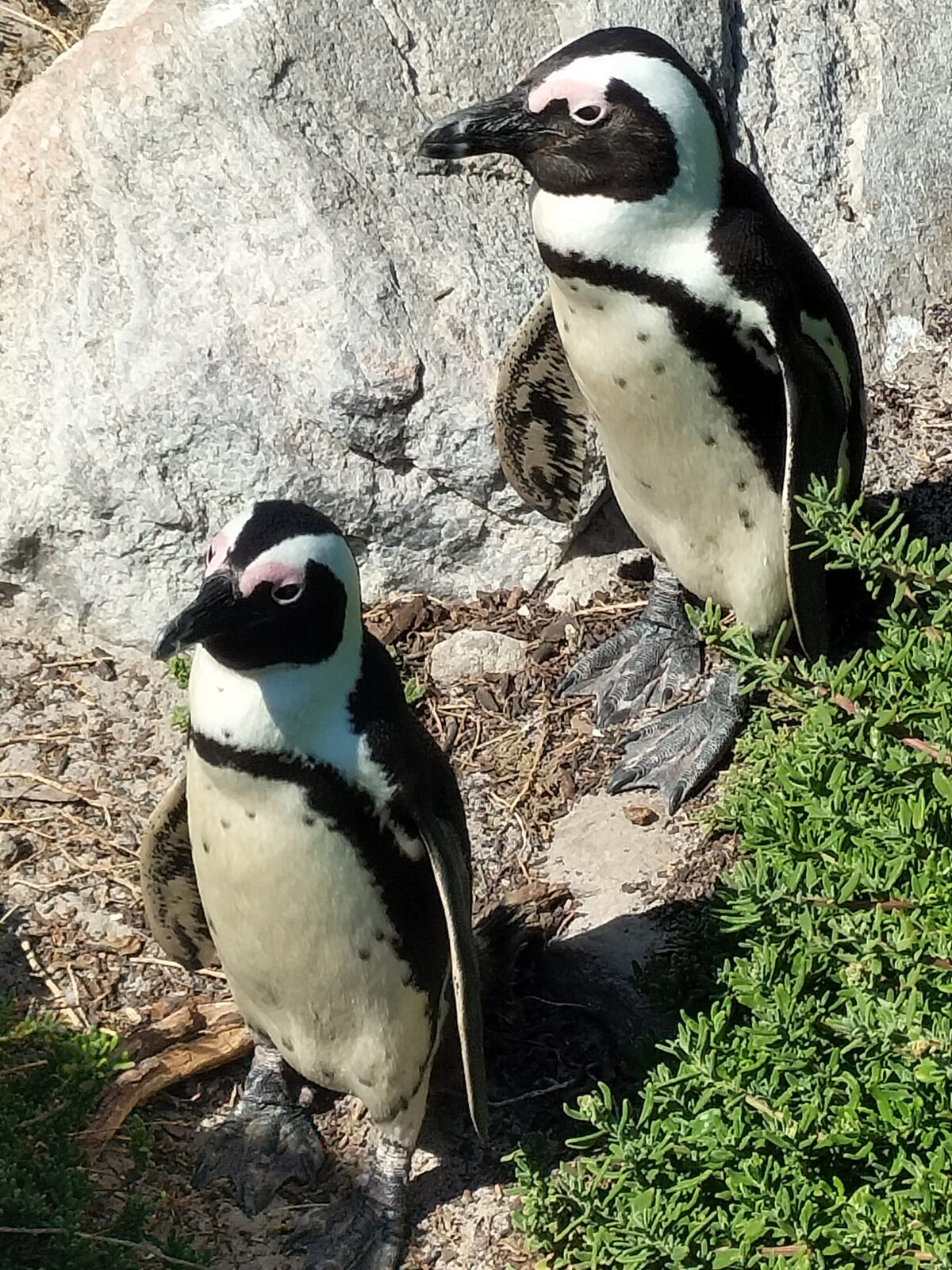
According to them Stony Point plays an important role in conserving a species currently listed as Critically Endangered on the International Union for Conservation of Nature (IUCN) Red List. “Scientists have warned that African Penguins could become extinct in the wild by 2035 if current population declines continue. These implementations form part of CapeNature’s broader efforts to promote responsible tourism and ensure that conservation fees contribute to the protection of the African Penguin.”
The planned improvements include new directional signage, visitor information boards, designated queuing areas, clearer parking signage, and visitor flow barriers to guide movement towards the permit kiosk and boardwalk entrance. Visitors will also receive wristbands after purchasing permits, assisting reserve staff with visitor management while encouraging responsible waste disposal through dedicated recycling bins. Access to the parking area and On the Edge Restaurant will remain open to the public during Stony Point Nature Reserve’s operating hours (07:30 to 16:00). Visitors accessing beaches and public walkways outside the reserve will not be required to pay for a conservation permit, while those entering the reserve and boardwalk area will continue to require a permit
Barriers can move
“The new visitor flow barriers will guide visitors clearly from the parking area to the mobile permit kiosk and onto the reserve’s boardwalk, ensuring guests can enjoy an optimal penguin viewing experience while helping to protect sensitive coastal habitat. The barriers will not be permanently anchored to the ground and can be repositioned as needed to support dynamic visitor flow. These barriers are 1,2 metres in height and are intended to assist with directing visitor flow, rather than acting as a fixed barrier. The height from the ground will allow penguins to pass under these barriers.”
They also emphasised that the fencing will help to reduce disturbance to habitat and breeding areas, discourage access to environmentally sensitive sections of the reserve, and support the management of visitor numbers during peak tourism periods. “Anti-predator fencing will also be installed along the reserve boundaries, aimed at reducing interactions between African Penguins and land-based predators around the colony, and is intended to support conservation objectives. The installation of the fencing will be implemented through a phased approach, with rollout dependent on available funding and concurrent monitoring efforts.”
Boardwalk upgrade
According to them the reserve’s boardwalk remains a central feature of the Stony Point experience, “allowing visitors to observe African Penguins in their natural habitat at close range without disturbing the colony. The reserve is also home to a variety of other coastal birdlife and marine species and remains one of the Western Cape’s most popular nature-based tourism destinations. As part of broader visitor management improvements, upgrades to the boardwalk and associated infrastructure will enhance the visitor experience while maintaining alignment with conservation objectives.”
Cape Nature explained that this approach has been developed in collaboration with conservation authorities and scientific partners working in African Penguin conservation and coastal ecosystem management. “While fencing alone is not an ideal long-term solution, an integrated strategy will be implemented to prioritise the survival of the species. This includes targeted predator mitigation (e.g. patrols, chasing, physical trapping,) and camera trapping to better understand and identify problem predators, and environmental education initiatives to reduce human-related pressures and promote long-term conservation outcomes.”
CapeNature encourages all visitors to support conservation efforts by purchasing permits, following designated pathways, and respecting signage and restricted areas throughout the reserve. “”Local residents and frequent visitors are encouraged to consider buying a Wild Card, which allows access to all CapeNature reserves for a year and can be used at Stony Point as many times during the year as they wish. We will continue to engage with tourism operators visiting Stony Point to promote responsible tourism practices and raise awareness about the impact of visitor behaviour and large tour groups on sensitive environments. Managing visitor volumes and behaviour is a critical component of protecting the species, reducing pressure on habitats, and ensuring a positive and sustainable visitor experience.”
According to them permit fee contributions collected at Stony Point are reinvested into conservation operations, including habitat management, infrastructure maintenance, visitor facilities, and environmental monitoring.