
WEST COAST – The Green Connection has criticised the dismissal of appeals against Searcher Geodata UK Limited’s proposed offshore seismic survey, saying concerns about marine ecosystems, climate change and fishing communities remain unresolved.
The organisation has expressed disappointment after Minister of Forestry, Fisheries and the Environment David Maynier dismissed appeals lodged by community organisations and civil society against the proposed 3D seismic survey off the West Coast.
The survey is planned approximately 220km offshore between St Helena Bay and Hondeklip Bay. It will involve the use of airguns that repeatedly release powerful sound pulses into the ocean to map geological structures beneath the seabed for possible oil and gas deposits.
Minister adds conditions but keeps approval
Although the minister dismissed the appeals, he introduced additional conditions aimed at strengthening the role of a Fisheries Liaison Officer.
However, The Green Connection’s outreach ambassador, Neville van Rooy, believes the decision sends the wrong message at a time when countries are being urged to move away from fossil fuels.
“Rather than overturn the authorisation, Minister Maynier has opted to add conditions strengthening the role of the Fisheries Liaison Officer. This and earlier decisions, which enable further fossil fuel exploration, seem counterintuitive at a time when climate change is intensifying and the need to transition decisively to low-carbon energy sources has never been greater,” said van Rooy.
He said the continued promotion of offshore oil and gas exploration makes it increasingly difficult for South Africa to demonstrate its commitment to climate justice and the protection of vulnerable coastal communities.
Fishing communities at risk
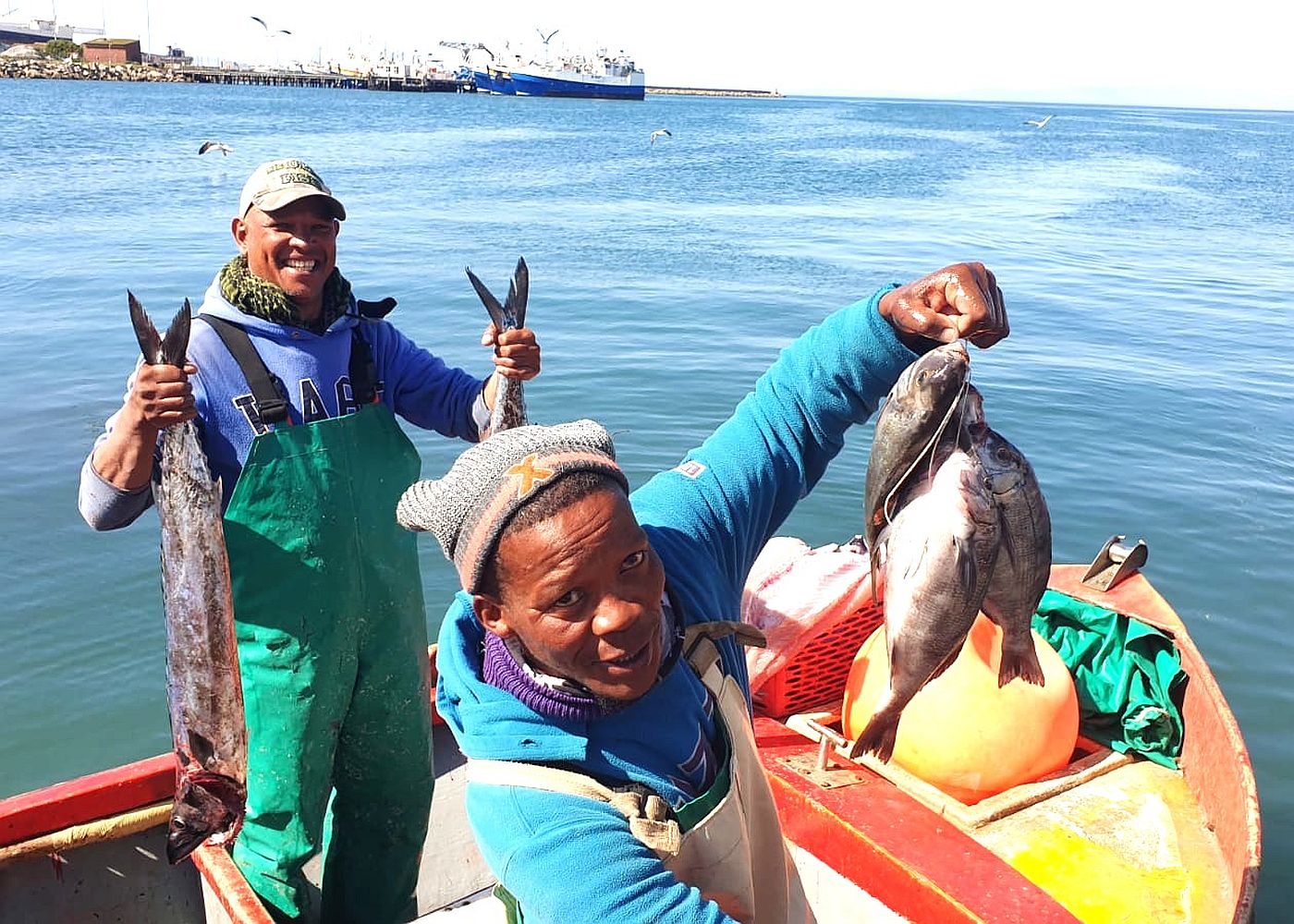
The organisation argues that the proposed survey could place the livelihoods of small-scale fishers and coastal communities at risk.
According to The Green Connection, an estimated 147 fishing communities across South Africa depend on healthy marine ecosystems. These communities include nearly 30 000 fishing households and approximately 30 000 subsistence fishers.
The organisation’s advocacy lead, Lisa Makaula, said the additional conditions introduced by the minister did not address what it considers fundamental shortcomings in the project’s environmental authorisation.
“While the Minister’s ruling introduces amended conditions relating to the role of a Fisheries Liaison Officer, these adjustments cannot remedy what we believe are serious flaws in the authorisation, including the failure to assess the climate impacts of producing and using the fossil fuels the survey is searching for,” said Makaula.
Climate concerns and court rulings
She also referred to previous court judgments involving offshore exploration along the Wild Coast and in Block 5/6/7, which she said highlighted the importance of properly considering the impact of such projects on marine life, the climate and small-scale fishing communities.
The Green Connection maintains that seismic surveys are the first step towards possible oil and gas extraction, with the eventual burning of these fossil fuels contributing to greenhouse gas emissions.
Van Rooy said the continued search for new fossil fuel reserves was taking South Africa in the opposite direction to what was needed to address climate change.
He argued that government should instead prioritise protecting marine ecosystems and accelerating the transition to renewable energy while safeguarding communities dependent on the ocean.
Call for action as COP31 talks continue
The organisation’s criticism comes as global climate discussions take place at COP31 in Antalya, Türkiye, where countries are focusing on implementing climate commitments and turning them into action.
The Green Connection questioned how South Africa could demonstrate its commitment to climate action while continuing to uphold authorisations for offshore oil and gas exploration.
It has called on government to align its ocean governance with its climate commitments by halting new fossil fuel exploration and investing in a just transition to renewable energy.
Van Rooy added that protecting the ocean was essential not only for marine biodiversity but also for the food security, cultural heritage and economic survival of coastal communities and future generations.
- About The Green Connection – Established in 2000, The Green Connection is a registered non-profit eco-justice organisation dedicated to protecting South Africa’s oceans, land, and natural resources for future generations. Through community mobilisation, policy advocacy, and legal action, the organisation works to defend human rights, empower marginalised coastal and rural communities, and promote inclusive economic development alongside a just transition to renewable energy.
ALSO READ: Green groups applaud Saldanha emission licence rejection over dust pollution concerns.