
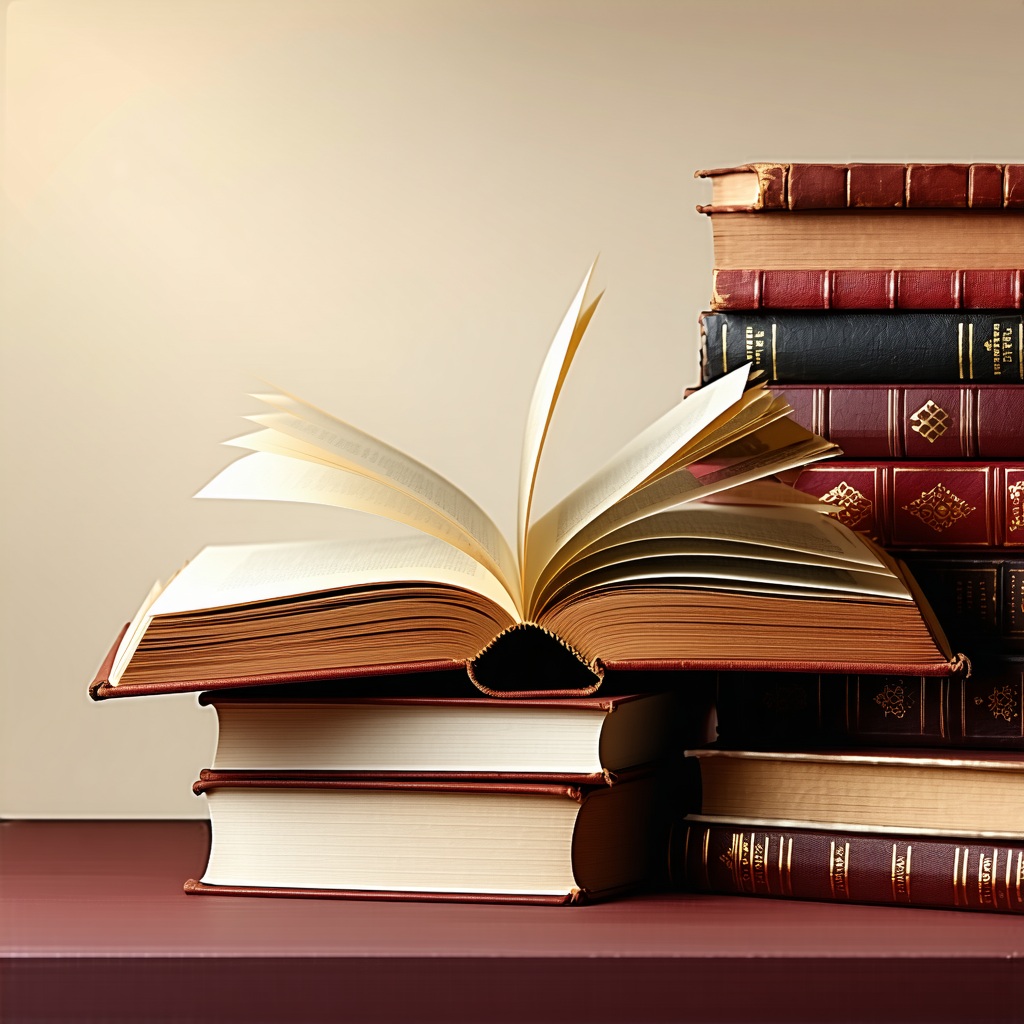
South African writers, publishers, and editors have until 26 June to apply for grant funding through the fourth cycle of the DSAC Publishing Hub — a programme that has already brought 91 books to print in the country’s home languages, Braille, and audiobook formats.
The Department of Sport, Arts and Culture (DSAC) and the Academic and Non-Fiction Authors’ Association of South Africa (Anfasa) have opened applications, urging eligible applicants not to delay.
A programme that’s gaining ground
Since the programme launched in 2023, 24 publishing companies have taken part, and 79 editors, reviewers, and language specialists have been brought in to assess and develop new works. Applications have grown each year, and the fourth cycle is the most ambitious yet.
Of the 91 published works, 12 are in Braille and 15 are audiobooks, making South African stories available to readers who are visually impaired. Five titles have been published in Khoi and San languages — Khwedam, !Xuhnthali, and Nama — languages that have almost no other formal publishing support in the country.
The programme was created to address a well-known gap: despite having 11 official languages, most commercially published South African books remain in English or Afrikaans.
ALSO READ: UNIDO opens third round of climate innovation funding
Three ways to get involved
The fourth cycle is open across three streams, each with direct financial support:
For authors
Selected writers will receive a grant of R25 000 per manuscript, along with editorial guidance and support throughout production. Works will be published in print and, where suitable, as audiobooks or in Braille. The programme is open to South African citizens writing in any official language. Women, people under 35, and writers with disabilities are strongly encouraged to apply.
For publishers
Publishers can receive R80 000 per manuscript to cover editing, design, printing, and distribution. They will also have access to a pool of reviewed manuscripts and authors, and the opportunity to build a home-language catalogue with direct government support.
For selection panel members
Paid roles are available for editors, literary reviewers, and language specialists across all 11 official languages, offering a direct path into the national literary development process.
What kinds of books qualify?
Accepted genres include novels, poetry collections, short story collections, drama, narrative non-fiction, biography, history, politics, sport, health, and children’s or young adult literature. Religious texts, self-help books, novelettes, and film or television scripts do not qualify.
Manuscripts must be original, unpublished, and not translated. Applicants may submit one manuscript per financial year. Writers who have previously received a grant through the programme may not apply again for three years.
‘South African stories deserve shelf space’
Anfasa Chairperson Professor Sihawukele Ngubane says the programme’s momentum is what excites him most.
“What excites us most is the momentum — every cycle we see more applications, more genres, more languages represented. Ninety-one published works is a remarkable foundation, but it is the writers still to come that the fourth cycle is really about. South African stories deserve shelf space in South African bookshops. If you have been sitting on a manuscript, this is your funded opportunity to change that.”
Closing dates and next steps
Publisher and selection panel applications close on 12 June. Manuscript submissions close on 26 June. Successful applicants will be announced in August, with publication planned between October this year and March 2027.
To apply, visit Anfasa’s website