

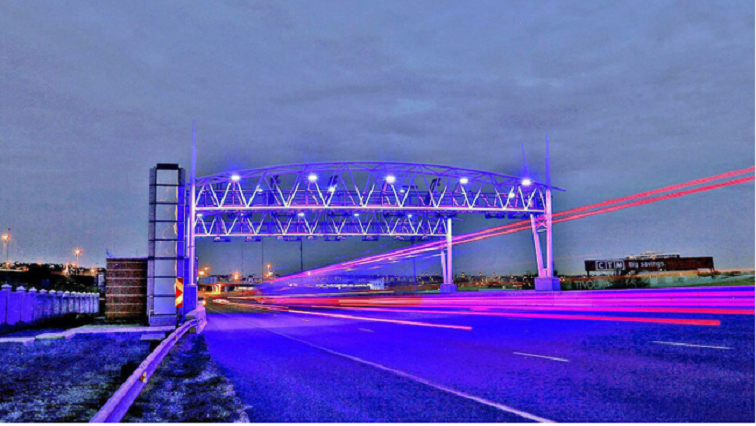
The South African government has finally acknowledged what motorists and civil organisations have argued for more than a decade: billions of rands in outstanding e-toll debt cannot be collected and must be written off.
Cabinet’s decision to abandon recovery of Gauteng Freeway Improvement Project debt brings an end to one of the country’s most contentious road user charging schemes and offers relief to thousands of motorists facing legal action over unpaid toll accounts.
The Organisation Undoing Tax Abuse (OUTA) welcomed the announcement, which confirms the e-toll system’s failure and opens the door to resolving outstanding legal disputes between the South African National Roads Agency (SANRAL) and road users.
Wayne Duvenage, OUTA chief executive, said the scheme’s collapse was evident within months of its launch in December 2013, yet government took more than 10 years to formally accept reality.
“Compliance levels peaked at around 40% during the first six months and then declined steadily thereafter. By mid-2014, it was clear that the scheme lacked public support and was not financially sustainable,” Duvenage said.
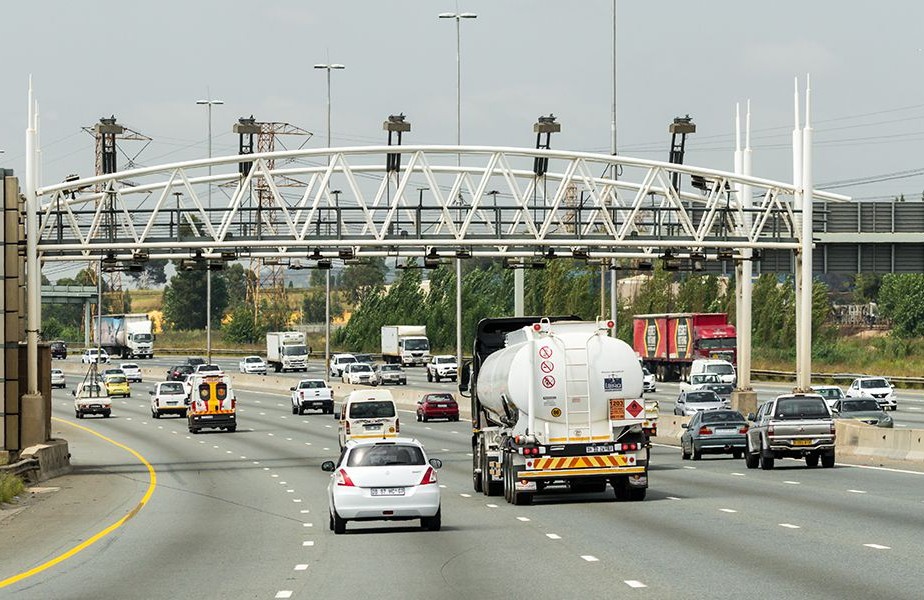
Government discontinued the e-toll system in April 2024, switching off the electronic gantries along Gauteng’s major highways. However, motorists continued to face uncertainty over historical debt and possible legal action for unpaid accounts.
OUTA maintained throughout the saga that SANRAL would never recover the vast majority of outstanding debt and that government would ultimately have no choice but to accept the reality.
“For years, government persisted with the notion that motorists could eventually be compelled to pay debt arising from a scheme they had overwhelmingly rejected,” Duvenage said. “Cabinet’s decision confirms what OUTA and many others have been saying for more than a decade. This debt was never realistically recoverable.”
The organisation said the decision comes far too late, with taxpayers bearing the cost of years of legal disputes, administrative expenses and political conflict whilst government delayed the inevitable.
“Had government acted when the scheme’s failure became apparent, taxpayers could have been spared years of legal disputes, administrative costs, political conflict and uncertainty,” Duvenage said.
Thousands of motorists who received summonses for unpaid e-toll accounts have spent years waiting for clarity on their legal position. Cabinet’s announcement now allows these matters to be resolved and provides certainty to affected road users.
OUTA is currently engaged in negotiations and mediation processes with SANRAL regarding summonses issued to motorists for unpaid accounts.
Cabinet’s decision includes provisions for the orderly resolution of outstanding litigation and matters associated with the historical recovery of e-toll debt. This should pave the way for the final settlement of legal cases involving motorists who were summonsed.
ALSO READ: OUTA takes SANRAL to court over e-toll debt collection
“For many motorists who received summonses and have been waiting years for certainty, this announcement will come as a welcome relief,” Duvenage said.
The organisation said the e-toll saga should serve as a warning for future infrastructure funding decisions and government policymaking.
“The e-toll saga stands as a warning of what happens when government ignores public sentiment, persists with flawed policy and delays corrective action long after the facts are clear,” Duvenage said. “Good governance requires leaders who are willing to acknowledge mistakes early and act decisively.”
The write-off represents a significant financial loss to the state, though the exact amount of debt being cancelled has not been disclosed. SANRAL had struggled to collect payments from motorists who rejected the tolling system from its inception, arguing that the fees represented double taxation on roads already funded through the fuel levy.



You must be logged in to post a comment.