


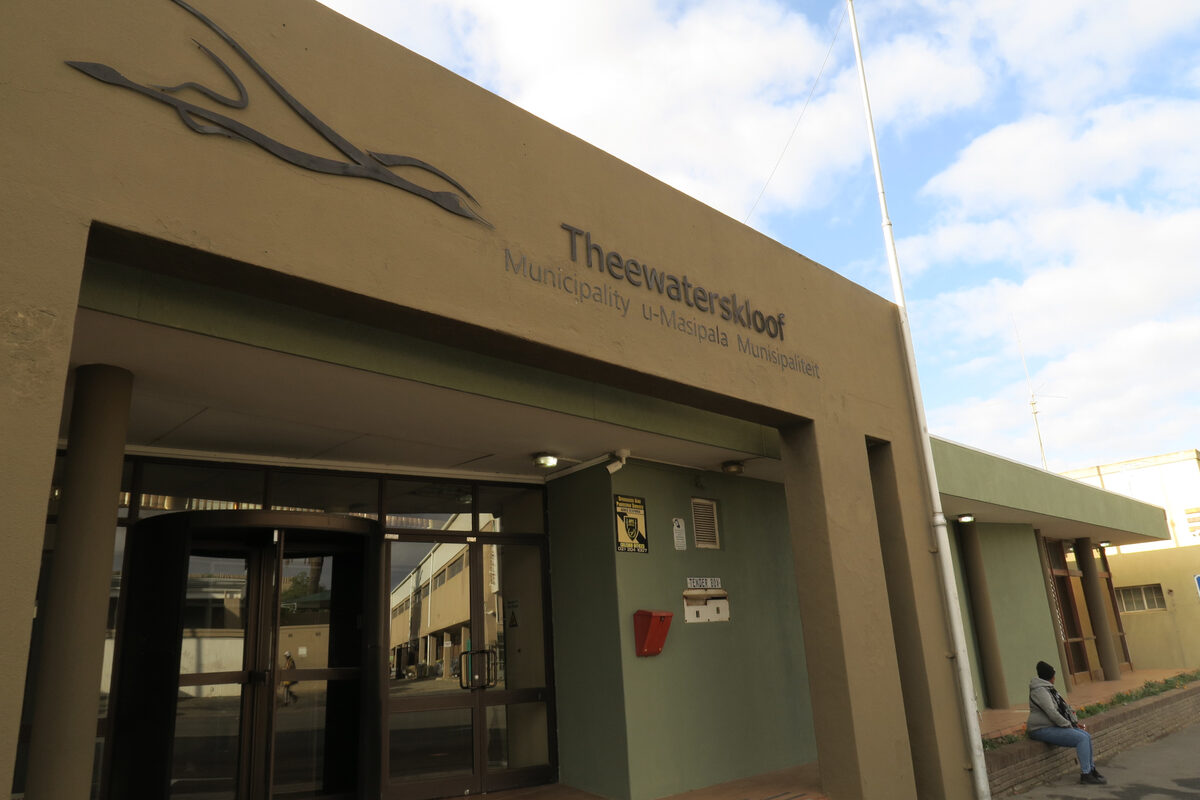
The rapid financial decline of Theewaterskloof Municipality is testament to how quickly local government stability can unravel in South Africa. In just two years, this Western Cape municipality transformed from a financially sound entity with a 95% revenue collection rate and budget surplus to a municipality in crisis, requiring provincial intervention to prevent complete collapse.
In the 2022/23 financial year, Theewaterskloof Municipality appeared to be a model of municipal financial management. The municipality collected over 95% of its planned revenue, ended the year with a budget surplus, maintained healthy cash reserves of R70.96 million by August 2023, and demonstrated effective financial controls and governance.
The municipality’s fortunes changed dramatically beginning in March 2023, when governance instability and financial obligations exceeding available cash began to expose fundamental weaknesses in the system. By August 2024, the financial picture had deteriorated catastrophically.
The revenue collection crisis saw collection rates plummet to 64%, well below National Treasury norms. This represented a devastating 31 percentage point decline in just over a year. Simultaneously, the municipality experienced a cash flow collapse as cash and cash equivalents dropped from R70.96 million to R43.28 million, while financial commitments rose to R43.73 million. The municipality’s cash coverage ratio fell from 1.6 months to negative 1.1 months, meaning it couldn’t cover even a month of operating expenses.

Adding to these woes were mounting debts, including the accumulation of over R300 million in irregular and unauthorised expenditure, growing debt obligations to major creditors including Eskom, and unauthorized expenditure that increased by R49 million to R153 million.
The municipality’s decline coincided with severe political instability following the 2021 local government elections. Coalition governance struggles involving the ANC, Patriotic Alliance, and GOOD party resulted in five different mayors in under four years and four different municipal managers in the same period. These frequent changes in leadership disrupted continuity and led to poor oversight and accountability mechanisms.
Investigations have uncovered serious concerns about financial management. These include the disappearance of R41 million in disaster relief funds, allegations of fraud, corruption, maladministration, and nepotism, irregular procurement practices, and misappropriation of municipal funds.
Investigations have uncovered serious concerns about financial management, including the disappearance of R41 million in disaster relief funds, allegations of fraud, corruption, maladministration, and nepotism, irregular procurement practices, and misappropriation of municipal funds.
The financial crisis has had direct impacts on service delivery across multiple areas. Water quality has deteriorated in most towns except Tesselaarsdal and Botrivier, with faecal contamination exceeding safe limits. Sewage treatment plants are failing and releasing untreated sewage into rivers, despite recent costly upgrades. Waste management problems include an overfilled and uncovered landfill and an unused transfer station. Additionally, infrastructure backlogs have accumulated across multiple service areas, affecting maintenance and development projects.
Recognising the severity of the crisis, the Western Cape Government invoked a Section 139 intervention in November 2024. This constitutional mechanism allows provincial governments to intervene when municipalities cannot fulfill their executive obligations.
The intervention process involved comprehensive financial and governance assessments, capacity-building workshops for municipal staff, development of a comprehensive Financial Recovery Plan, and a public consultation process on the draft plan.
This week, the Western Cape Government approved the Financial Recovery Plan for Theewaterskloof Municipality, setting out a structured pathway to financial stability and improved service delivery through three distinct phases.
The initial phase focuses on urgent interventions to prevent complete collapse. This rescue phase prioritises cash flow restoration through immediate measures to improve cash position and manage payments. Cost containment measures include strict controls on municipal expenditure to prevent further deterioration. Revenue collection improvement involves enhanced collection strategies and enforcement of outstanding debts, while debt negotiation establishes structured negotiations with creditors, including Eskom, to create manageable repayment schedules.

The intermediate phase addresses underlying governance and institutional weaknesses. Governance reforms will strengthen oversight mechanisms and accountability structures, while financial system enhancement implements robust financial management systems and controls. Infrastructure prioritization focuses on critical infrastructure renewal and maintenance, supported by capacity building through training and development of municipal staff in financial management and service delivery.
The final phase focuses on building long-term stability and growth. This sustainability phase will entrench sound financial management practices and implement cost-reflective tariff structures that ensure financial sustainability. Service delivery enhancement builds resilient service delivery systems, supported by comprehensive long-term financial and development planning.
ALSO READ: TWKM council learns new rules
Western Cape Minister of Finance, Deidré Baartman, highlighted the severity of the situation and the necessity of the intervention. “Theewaterskloof Municipality went from financial surplus to financial crisis in just two years,” she said. “The Financial Recovery Plan is a tough but necessary intervention to restore fiscal discipline, credibility, and stability.”
The Minister highlighted the collaborative approach taken in developing the plan, expressing gratitude to municipal teams for their cooperation in the intervention process, Provincial Treasury for leading the assessment and plan development, National Treasury for providing technical support and guidance, and residents who participated in the public consultation process.
The approval of the Financial Recovery Plan marks a critical turning point for Theewaterskloof Municipality, but implementation will be challenging. Success will require strong political will, including commitment from all political parties to prioritize municipal stability over political gain, support for necessary but potentially unpopular financial measures, and cooperation between different levels of government.
Baartman concluded, “With strong oversight and the commitment of all stakeholders, Theewaterskloof can be put back on a path that delivers reliable services and restores confidence for its residents.”
ALSO READ: NCOP blocks Western Cape intervention in crisis-hit Knysna Municipality



You must be logged in to post a comment.