



CAPE TOWN–An animal lover and activist hopes to inspire the next wave of volunteers who will safeguard neglected animals in their communities.
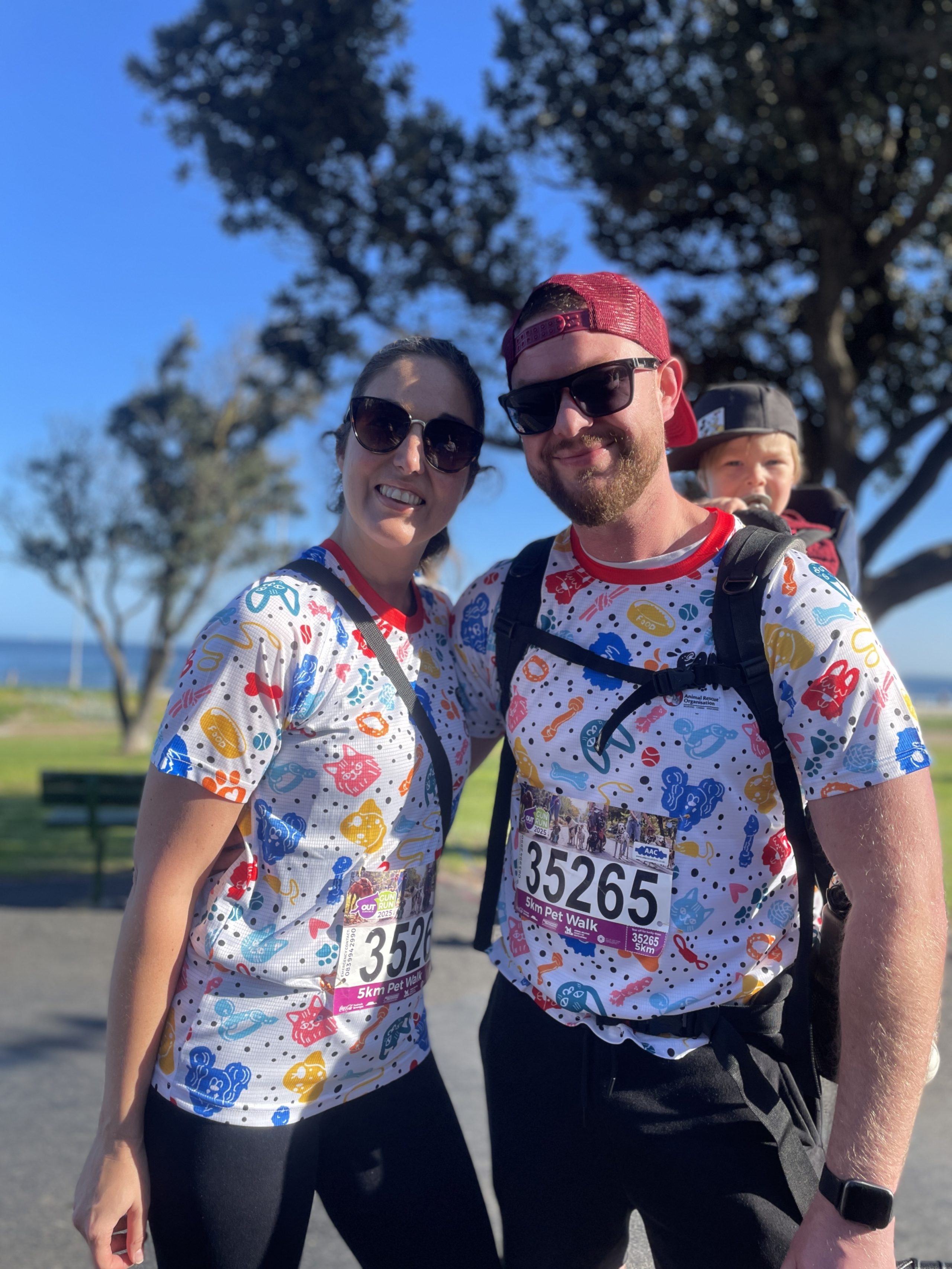
Lindsey Concer is the head of fundraising at the Animal Rescue Organisation (ARO) based in Ottery.
ARO, originally known as the Voluntary Animal Rescue Organisation (VAR), was established in 1986 to combat the neglect and abuse of animals in the Old Crossroads area.
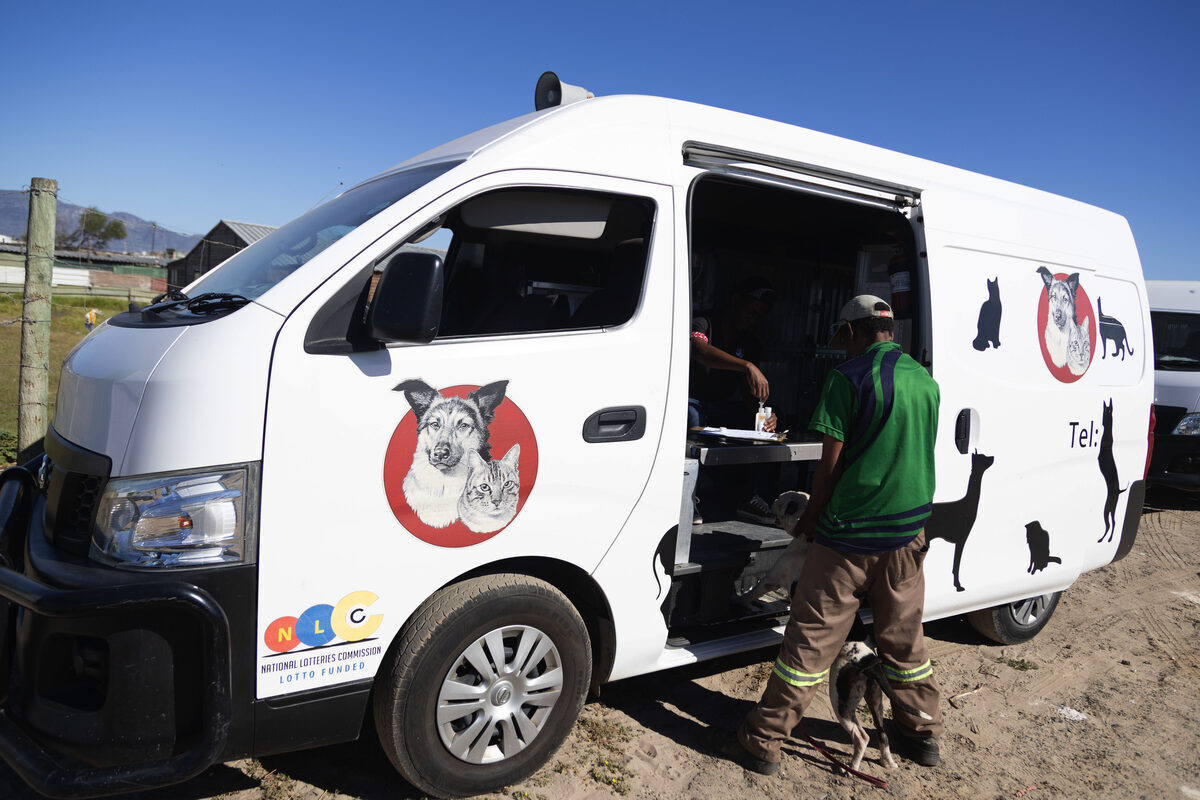
The organisation recently launched a fundraising drive to help fund a brand-new ARO Mobile Vet Clinic, their third one so far.

Born in Hillcrest, Durban, Concer moved to Cape Town in 2017.
The mother of two young children shared her endless love for animals. “I’ve always had a deep love for animals. After completing my Bachelor of Arts in English, I began my career as cabin crew for Emirates Airline—a role that allowed me to see the world and experience diverse cultures,” she recalled.
A chance encounter she had when she saw a friend’s social media post about her work at the Durban & Coast SPCA led her on a path to animal activism.
“Her role resonated with me, and I remember thinking, ‘That’s something I would love to do’.”
“After three years of flying, I returned to Durban and began working in Student Support at Varsity College. By a stroke of serendipity, that same friend announced she was leaving her position at the SPCA and invited applications. I didn’t hesitate—I applied, was interviewed, and got the job.
“That opportunity launched my career in fundraising in 2014, and I’ve never looked back. Since then, I’ve remained in the nonprofit space,” she explained.

The need in our country is overwhelming
Concer spent four years working at the Durban SPCA, a year in education after relocating to Cape Town, four years at SA Guide Dogs for the Blind, and now at Animal Rescue Organisation (ARO) since 2021.
When asked what were some of the challenges she faced after taking over the reins at ARO, she responded: “Fundraising is a deeply rewarding but inherently challenging field. The need in our country is overwhelming, and funding is always stretched. Economic downturns and fluctuations in the Rand directly impact the sustainability of non-profits and, ultimately, the vulnerable communities and animals we serve.”
She says animal cruelty still upsets her despite her years of experience in treating them.
Preventing suffering before it begins
“Emotionally, the hardest moments have been witnessing cruelty to animals. While some cases are rooted in neglect or malice, far more are driven by poverty, lack of education, and limited access to veterinary care.
“People are doing their best to survive—and often don’t have the means to care for the animals around them. This reinforces why our work—especially community outreach and sterilisation—is so vital.
“Preventing suffering before it begins is our most powerful tool,” she said.
When asked what obstacles remain for women in the workplace and society at large in 2025, she said: “As a mother, I’ve seen firsthand how caregiving responsibilities still disproportionately fall to women.
“There’s a lingering societal assumption that women will carry the emotional and practical load of raising children. Men are seldom asked in job interviews about their childcare arrangements—yet for women, it’s often a deciding factor in employability.
“I’m fortunate to work at ARO, where we are supported and understood. However, the broader workplace still needs to evolve. Until caregiving is treated as a shared responsibility, women’s opportunities—especially working mothers’—will continue to be limited.”
She encourages women to know their worth and speak from that place every day.
“Language matters, so be conscious of the words you use. Don’t apologise for expressing your thoughts. Lean into your strengths, whatever they may be, and let them guide your path.
Importantly, lift others as you rise. Collaboration and kindness are not weaknesses—they’re superpowers.
“Women have the ability to reshape the workplace because we understand, from experience, where systems fall short. And when we bring each other along, we build something stronger and more inclusive for everyone,” she says.


You must be logged in to post a comment.