BLOEMFONTEIN – Residents of the Mangaung Metro had a small victory when the planned R50 set fee for residential prepaid electricity customers was deferred.
This would have been a heavy burden along with the increase of electricity tariffs that will kick in on 1 July and the addition of the winter tariffs that also come into effect.
The net block tariffs for domestic residents from 1 July for winter tariffs are 3,7586 per unit (0 to 350 kWh) and 3,0442 during the summer in the first block. This is before VAT.
The second block tariffs in winter is 4,5609 (more than 350 kWh). This is 34c more on the winter tariff and 27c more on the summer tariff in the first block.
Also read: Verligting met uitstel van R50-heffing op elektrisiteit in Mangaung.
The electricity increase is 9.9%. This along with the water tariff hike of 14.4%. Although the property rates decreases by 5%, the new valuation roll will also kick into action on 1 July. The value of properties in the Mangaung Metro is according to the newest valuation roll on average 33% higher than before.
It is not only in Mangaung where residents will struggle to make ends meet.
As of 1 July Matjhabeng Local Municipality residents will face a water tariff hike of 25% and an electricity hike of 11% This after the 2026-’27 municipal budget was pushed through by the ruling party.
Marti Will from Vista writes in addition to the steep water and electricity hikes, property rates, refuse removal, sewerage and general municipal tariffs will increase by 7% in Matjabeng.
The municipality has also introduced a new minimum monthly water charge of R550 for businesses and proposed a fire services levy, a move criticised by the DA given ongoing concerns about the municipality’s emergency response capacity.
Piet Botha, DA Mayoral candidate for Matjhabeng says the electricity tariff increase has already been set at 11% and takes effect on 1 July. “Initial approval from NERSA was for 9.37%, but the Municipality then decided—and we, as the DA, voted against this—to request a 23% increase from NERSA. NERSA subsequently approved 11%. No further increase can be implemented within a single financial year; the law (MFMA) does not permit it,” says Botha.
Residents on Facebook are up in arms about the approved increases in Matjhabeng.
Bianca Loggerenberg wrote that very clearly the municipality is not doing their homework. “An increase of 11% and 25%. Why can it not be the same? This is ridiculous, and this while many people only get a 5% increase on their salary. The people are going to pay less and less or steal more and more power.”
Keith Hechtet wrote there is a big difference between a ruling party and a thieving party, and Tertia van Heerden says the municipality increases everything but there is no service delivery. This is the stance of many people on Facebook. They must pay for service like water and electricity but go weeks without either of these services.
Amanda Jansen van Vuuren wrote: “But most of the time we don’t have water or electricity, they are getting richer and the poor poorer, and if you can efforts it? They make decisions and we must just do?
Wilson Mohale wrote that the hike will affect people paying for their services every month. “But it will definitely not affect 70% of people staying in township” and Tshepiso Koza wrote it is a shame to the people of Matjhabeng Local Municipality.
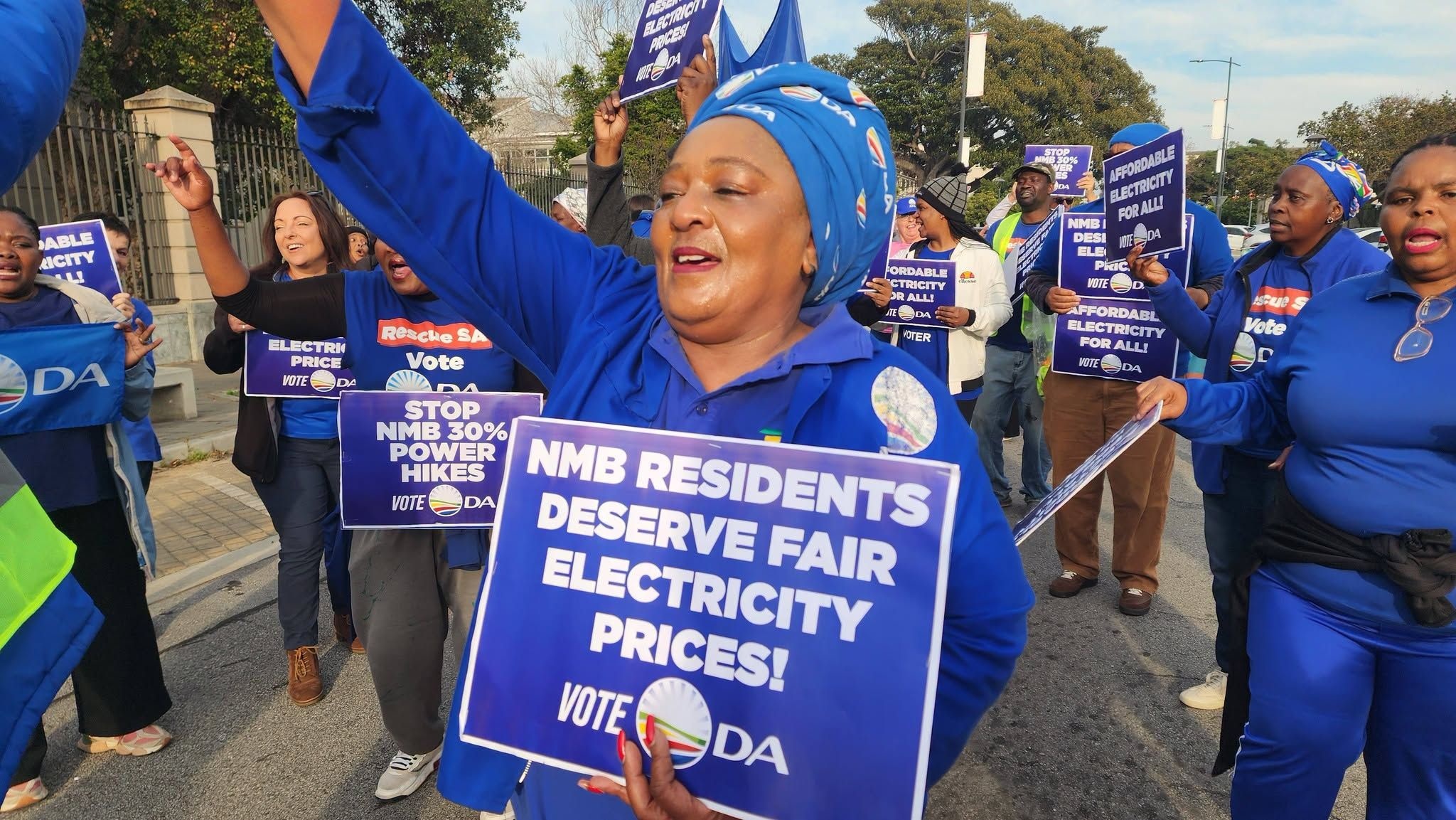
The DA commended the residents of Mangaung for their active civic engagement and the planned mass action on 1 July, which undoubtedly compelled the municipality to reconsider its stance on the R50 basic fee.
Rudi Maartens, DA Councillor said the outcome of the decision in council demonstrates the power of public participation and the importance of accountable governance.