

TUAM, IRELAND – Irish investigators said they had begun forensic examinations of human remains, starting a new phase in excavating an unmarked mass burial site at a former mother and baby home.
Daniel MacSweeney, who heads the team appointed in 2023 to lead the excavation, told AFP on Wednesday 22 July a new forensic facility and mortuary would enable examinations of 99 sets of human remains recovered so far.
The excavation began in July 2025 at the site of the former mother and baby institution in Tuam, County Galway, where Catholic nuns housed unmarried pregnant women and their children from 1925 to 1961.
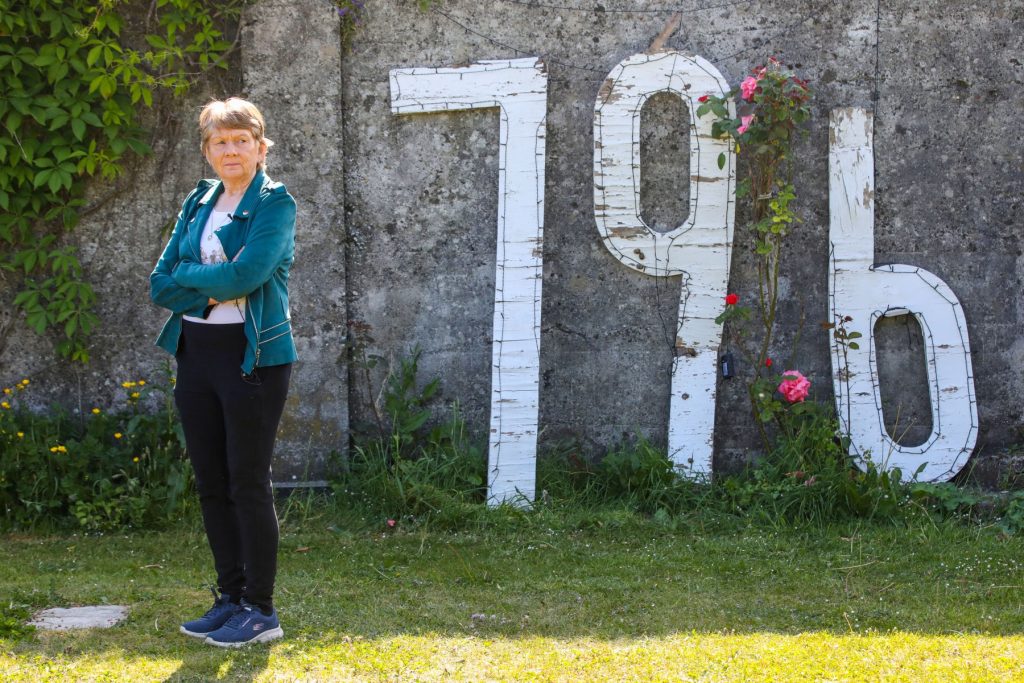
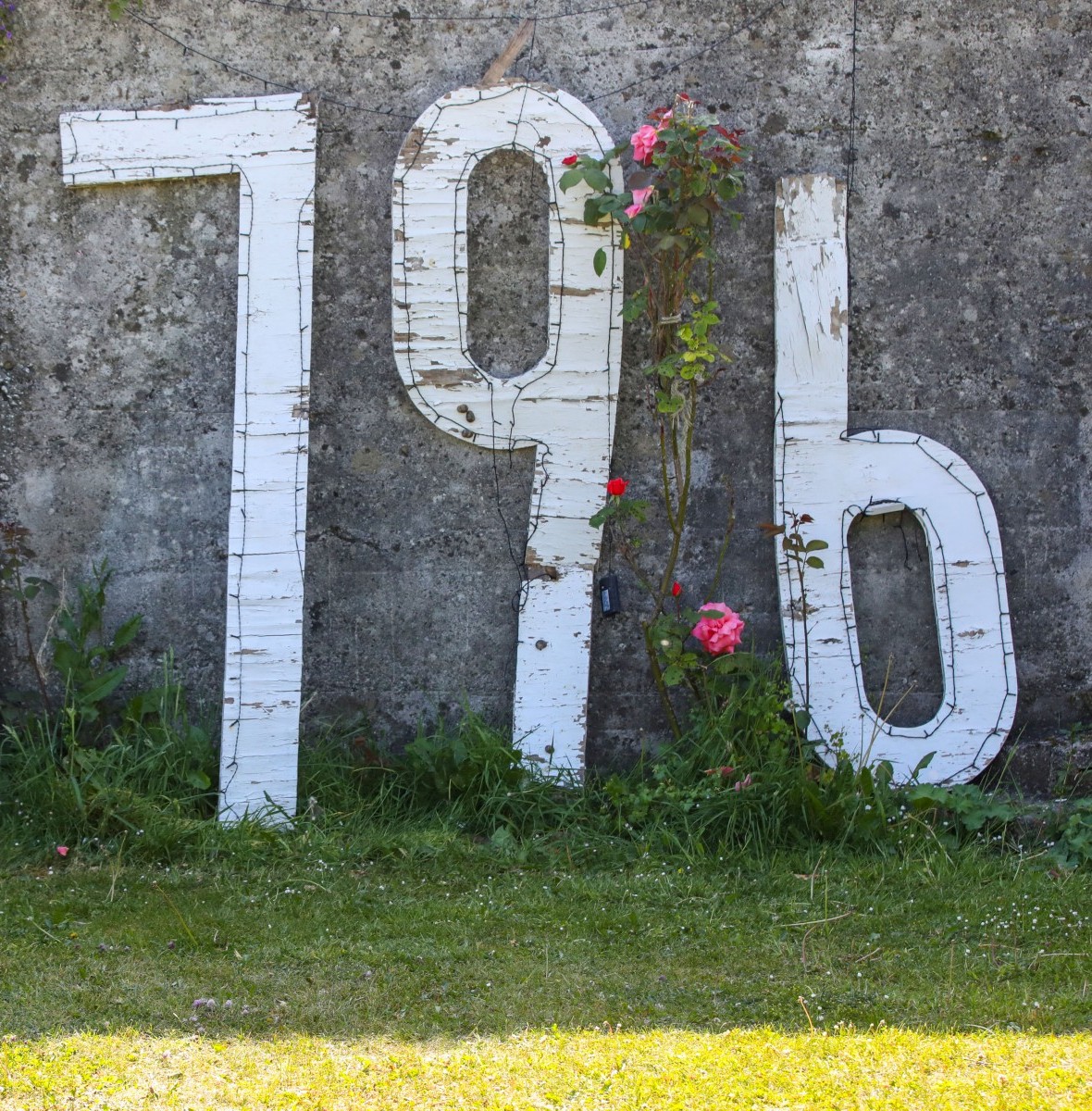
Records show 796 babies and young children died there, with many buried in unmarked graves.
Test excavations in 2016 and 2017 uncovered significant quantities of infant remains in a disused underground septic tank.
New forensic facility enables detailed examination
Four specialists at the new facility in Tuam will examine remains recovered during the excavation before DNA analysis to try to identify victims.
“We can do the forensic examination of the human remains that we’ve already recovered,” MacSweeney, director of the Office of the Director of Authorised Intervention, Tuam, told AFP.
“This will allow us to move beyond the figures that we’ve been giving and to start to really personalise these stories, to understand how these people lived and how they died,” he said.
The intervention followed years of campaigning after local historian Catherine Corless uncovered evidence that hundreds of children had been buried at the site.
A state commission later found around 9000 children died in mother and baby homes across Ireland, putting the spotlight on a dark chapter in the country’s social history.
Complex excavation work continues at limited sites
MacSweeney said investigators had recovered 99 sets of remains from a relatively small area identified as a burial ground, whilst larger excavated sections elsewhere on the site had yielded no human remains.
He said the complexity of the site, where each burial must be excavated individually and surrounding soil carefully sieved, meant it was too early to estimate when the excavation or victim identifications would be completed.
The office has collected DNA samples from 62 relatives and remains in contact with around 200 people as part of the identification process, MacSweeney told AFP.
Planned legislative changes allowing first cousins to provide samples are expected to widen the identification programme.
MacSweeney said investigators had recovered seven sets of remains believed to date from a 19th-century workhouse that previously occupied the site, rather than the later mother and baby institution.
Forensic archaeologist Niamh McCullagh told AFP specialists were analysing tooth enamel to help determine the biological sex of infant remains, something generally impossible through skeletal analysis alone.
ALSO READ: From graves to solar farms: Joburg’s bold plan to reclaim its forgotten cemeteries



You must be logged in to post a comment.