
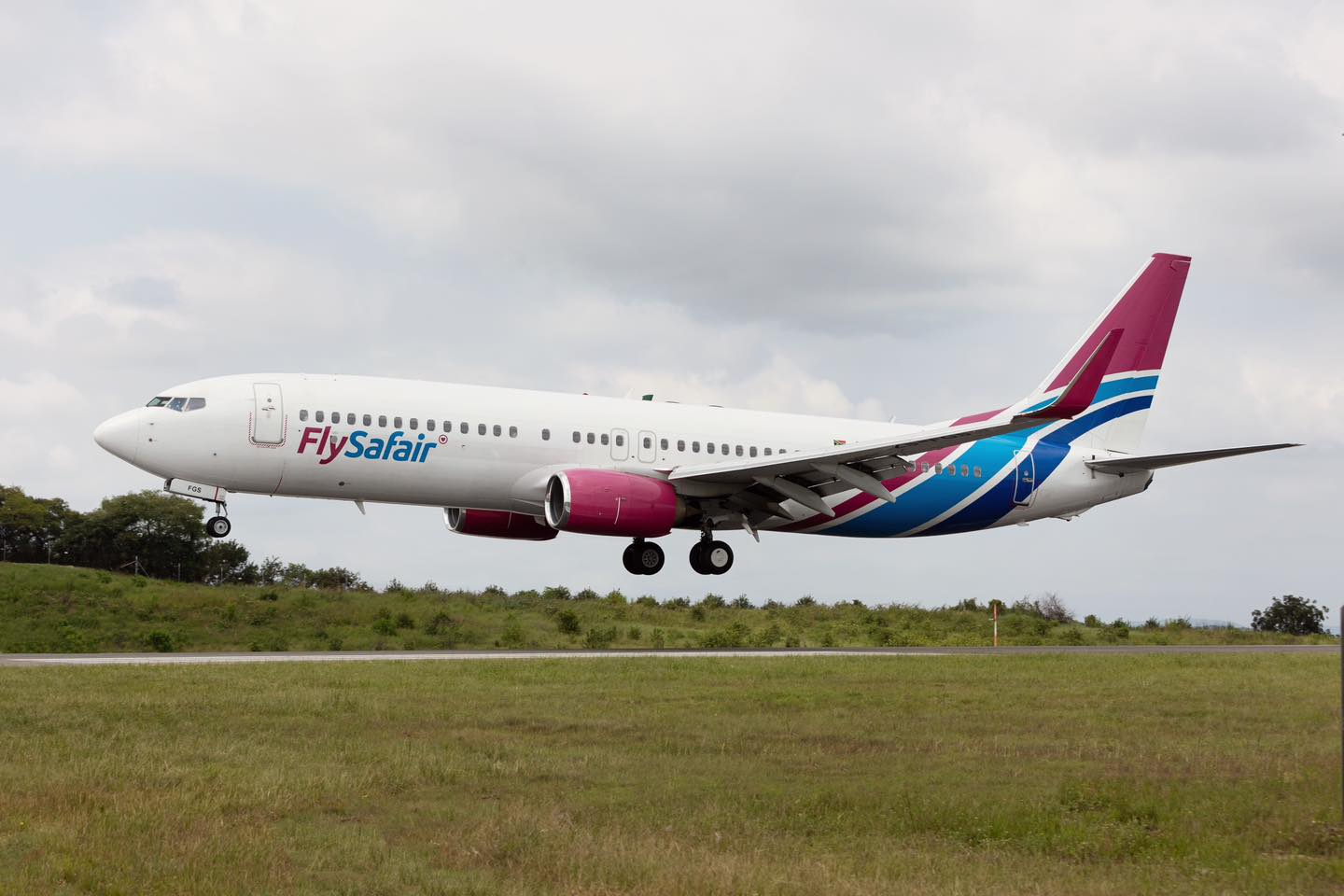
South African airline FlySafair has introduced a temporary dynamic fuel surcharge after aviation fuel prices at local airports surged by about 70% in the space of a week.
The airline announced that the surcharge took effect on 12 March 2026 and will apply to new bookings for flights departing on or before 12 May 2026, as it seeks to offset a sudden spike in Jet A1 fuel costs.
So far, FlySafair is the only airline in South Africa to have introduced such a surcharge.
The sharp increase in aviation fuel prices follows rising global oil prices linked to the ongoing conflict in the Middle East, especially between Iran, Israel and the United States, which has disrupted supply routes and placed significant pressure on airline operating costs.
Fuel is one of the largest expenses in airline operations, and the company said it had absorbed the higher costs for as long as possible before introducing the temporary measure, it said on a social media post and its website.
“While fuel normally forms part of the base fare, we have chosen to show this temporary increase separately so customers can clearly see the impact of the recent fuel price spike on their ticket. This measure is temporary and will be reviewed regularly and adjusted as fuel prices stabilise,” the airline said in a statement on Instagram and Facebook.
READ: FlySafair strike: Flights cancelled, pilots ‘exhausted’
The surcharge will be clearly itemised on tickets and calculated according to the length of the flight, with longer routes attracting a higher fee because they require more fuel.
Importantly, passengers who booked their tickets before 12 March will not be affected, and their fares will remain unchanged. The airline stressed that existing bookings will never be charged retrospectively.
However, travellers who book new tickets from 12 March for flights departing on or before 12 May, or who change an existing booking to a flight within that period, will see the surcharge applied.
For example, the additional charge ranges from about R77 for shorter routes such as Cape Town to George to around R169 for Cape Town to Johannesburg, while longer international routes such as Johannesburg to Mauritius could attract a surcharge of R294 per passenger per flight segment.
FlySafair said the fee is intended to be a temporary and transparent measure and will be reviewed regularly.
The surcharge will be reduced or removed once fuel prices stabilise, the airline said.
The carrier added that it has never previously charged a fuel surcharge, opting instead to incorporate fuel costs into base fares, but said the current surge in prices required a different approach to maintain sustainable operations while keeping air travel affordable.
So far, FlySafair is the only airline in South Africa who added the surcharge.


