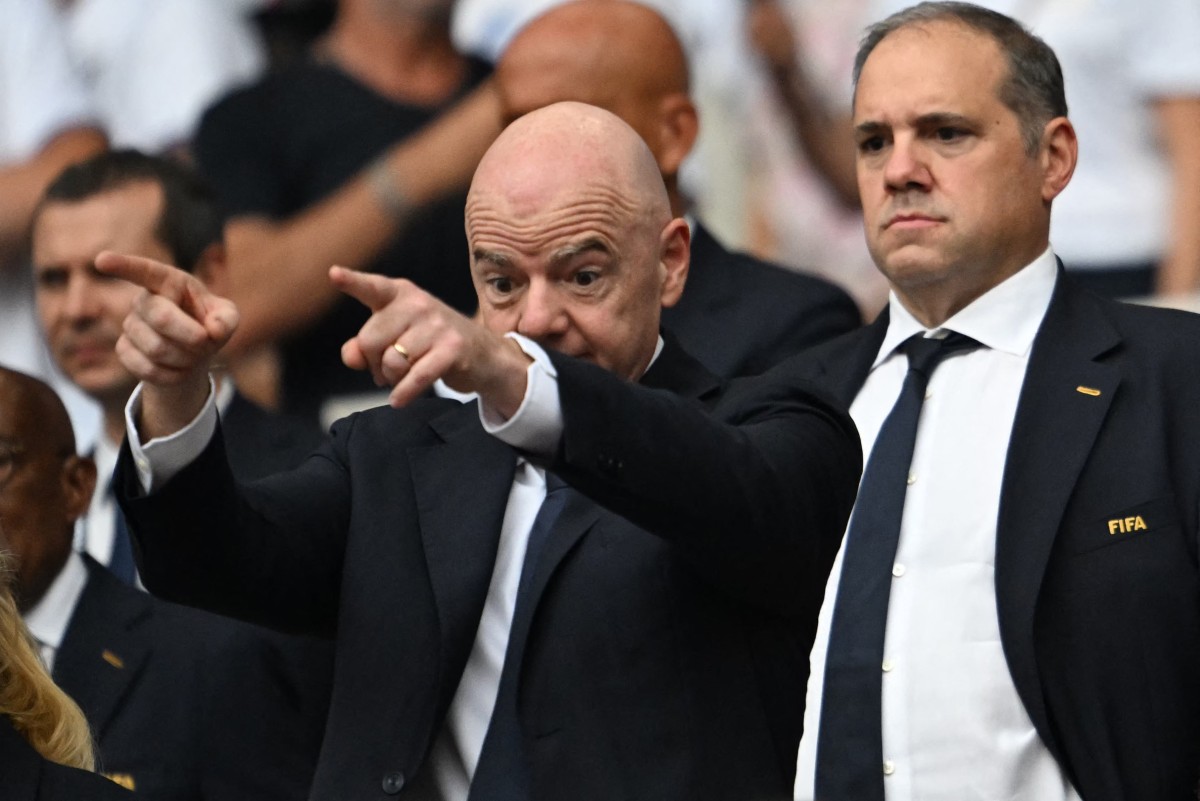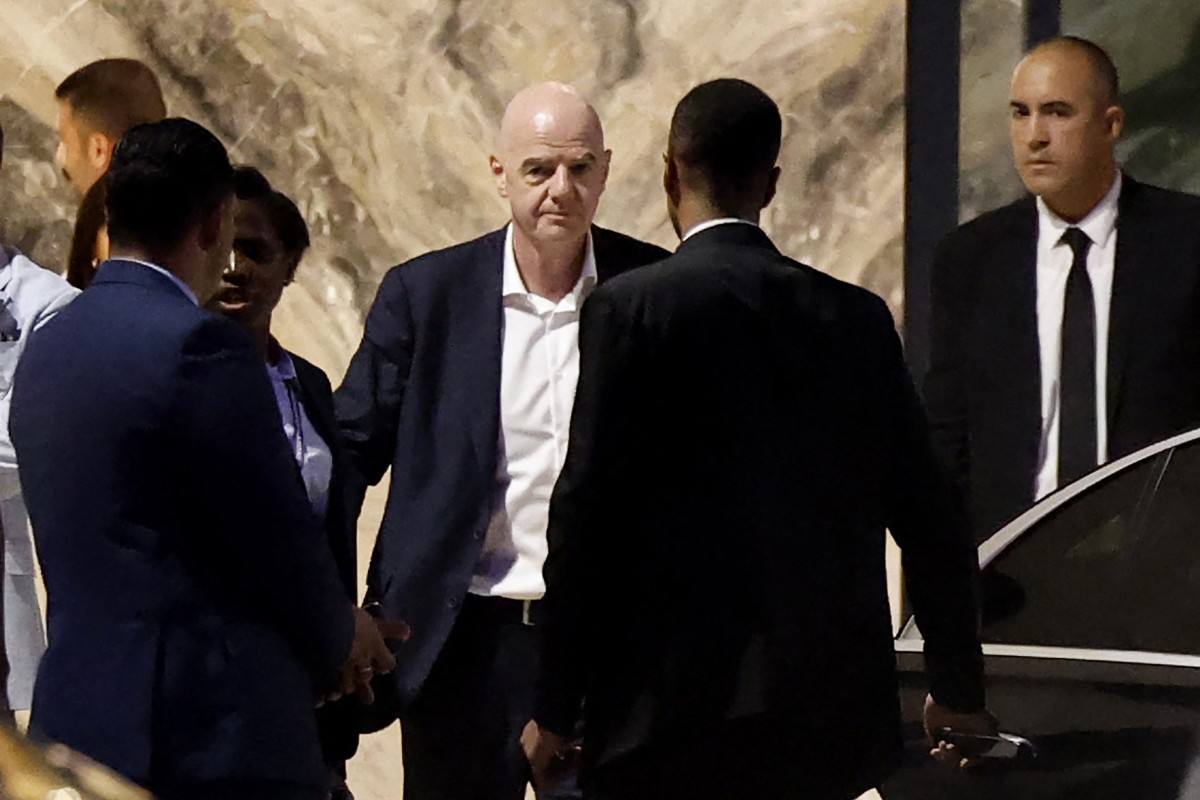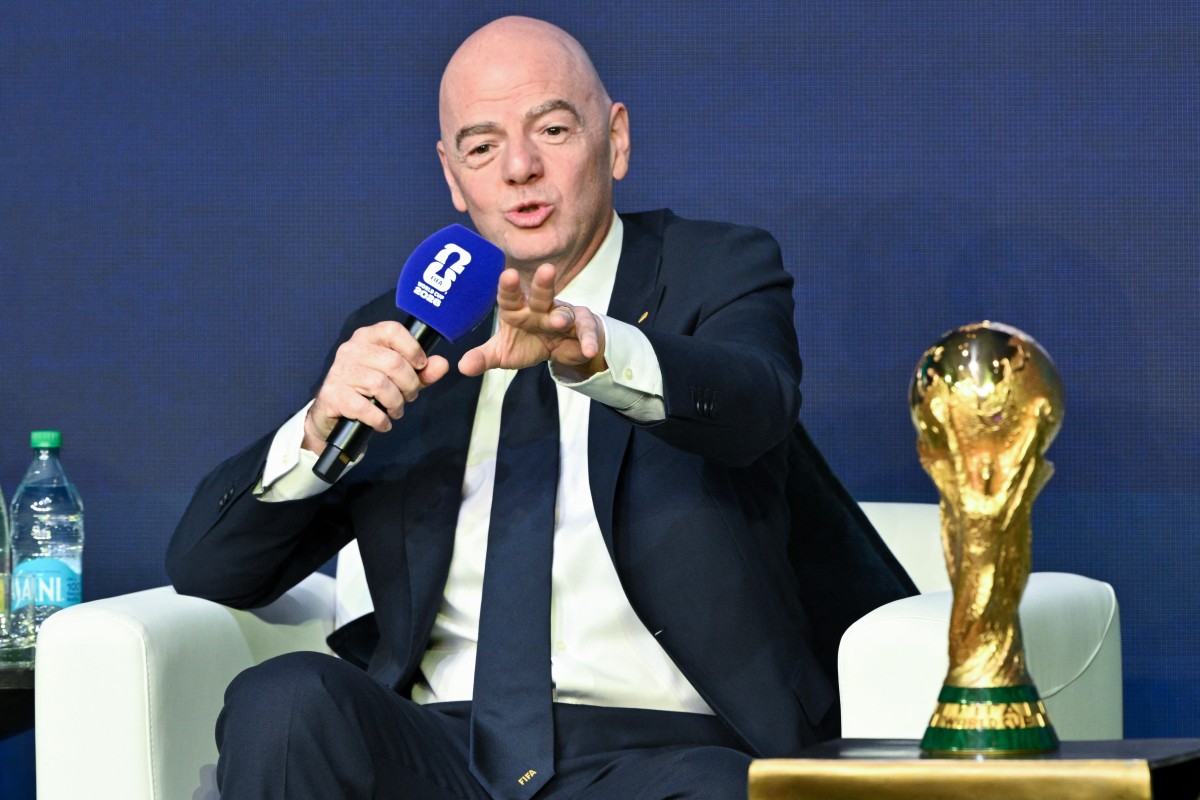
World football is tearing itself apart. FIFA has launched a blistering counterattack against UEFA, accusing European football’s governing body of waging a “misinformation campaign” and acting in “bad faith” as the battle over Gianni Infantino’s shelved World Cup privatisation plan escalates into open warfare.
Also read: FIFA backs Infantino despite World Cup investment fiasco
In a scathing 26-page legal filing submitted in a Florida court, FIFA has dismissed UEFA’s attempt to force the world body to hand over documents related to the controversial FIFA Forward Enterprise (FFE) proposal, claiming the European federation is pursuing the case “for purposes of harassment, rather than out of any legitimate need for discovery”.
The gloves are well and truly off. FIFA alleges that UEFA’s legal manoeuvring is designed to “influence” the FIFA presidential election scheduled for March next year, a vote in which Infantino has confirmed he will stand despite the furore surrounding his now-abandoned privatisation scheme.
The proposal that sparked war
Infantino caused uproar in July with proposals to create a commercial subsidiary to run FIFA’s marquee events, including the World Cup and Club World Cup. The plan would have allowed private investors to acquire stakes in a company created under the FFE initiative, effectively selling off chunks of football’s crown jewels.
The backlash was immediate and fierce. UEFA led the charge, and the proposals were quickly shelved. But the damage was done, and the rift between FIFA and UEFA has only widened since.
Criminal complaints and courtroom battles
UEFA has filed a request in Florida seeking permission to gather evidence for a potential criminal complaint in Switzerland, where both organisations are headquartered. European football’s governing body announced last month that alongside “other interested parties” it was “preparing to bring criminal claims in Switzerland against Infantino and possibly other FIFA officials and advisors for criminal mismanagement”.
FIFA’s court filing pulls no punches in its response, insisting that UEFA makes “numerous false or misleading statements” about Infantino and the world governing body, including allegations that he “sought to profit personally from the FFE proposal”.
The document argues that UEFA’s application “fails on both the facts and the law”, and should therefore be denied. UEFA, representing World Cup holders Spain and European powerhouses including France, England and Germany, declined to comment.
The money at the heart of it all
At the centre of this bitter dispute sits an estimated $6 billion of unused FIFA cash reserves. UEFA has argued that Infantino didn’t need to pursue private investment given the enormous sums already sitting in FIFA’s coffers.
Earlier this month, UEFA urged FIFA to make $10 million available to each of its 211 member associations, a total of $2.1 billion, “for investment in infrastructure and football development”.
Infantino responded this week with a letter to FIFA members indicating that a greater amount of money could be distributed from those vast reserves. In the letter, Infantino insisted that the abandoned FFE proposal had been intended purely to generate additional funding for football.
“The recent commercial proposal, now withdrawn, was intended to enable FIFA to invest more in football,” Infantino wrote, adding that he would support “the greatest level of additional funding that can responsibly be delivered”.
Battle lines drawn
UEFA is leading the opposition to Infantino, calling openly for his removal. But the FIFA president is not without powerful allies. Saudi Arabia, hosts of the 2034 World Cup, came out in support last month, whilst African football’s governing body CAF and South America’s CONMEBOL have also backed him.
The 2030 World Cup, which will be mainly held in Spain, Portugal and Morocco, will see South American nations including Argentina, Paraguay and Uruguay host matches, a political alignment that may prove significant as the presidential election approaches.
With criminal complaints looming, courtroom battles intensifying and the presidential election just months away, football’s civil war shows no signs of ceasefire.