The UN climate chief has warned that extreme heat is causing pregnant women to lose babies or give birth too early, as Pacific island nations hosted climate talks in Fiji this week.
Simon Stiell pointed to a new survey showing that more than two thirds of health workers across five continents have seen heat-related complications in pregnant women over the past five years.
“Climate-driven extreme heat during pregnancy is increasingly linked to premature birth, stillbirth, low birth weight, and maternal complications,” Stiell said at meetings in Nadi.
The talks, which continue this week in Fiji and the atoll nation of Tuvalu, aim to show the world what life looks like on the frontline of climate change in the Pacific. They come ahead of the larger COP31 summit in Turkey next month.
Pacific nations demand climate finance
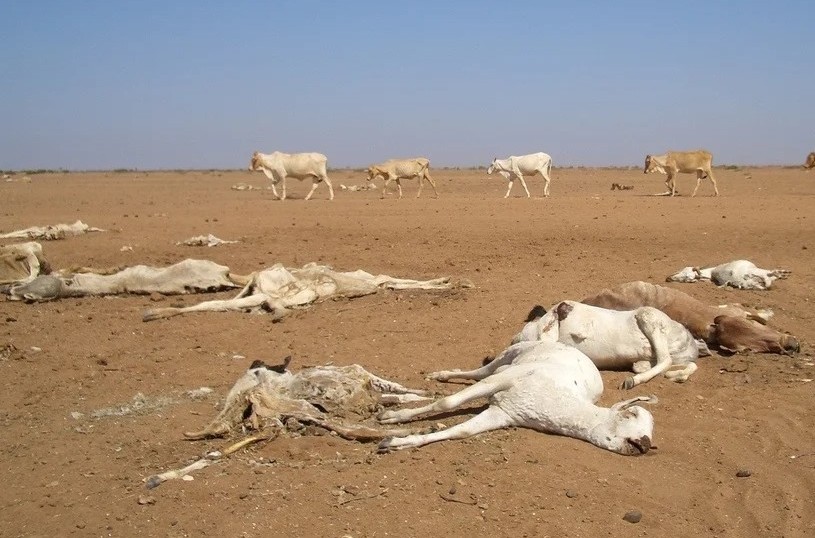
The South Pacific faces some of the worst effects of global warming. Rising seas threaten homes and livelihoods, while higher temperatures kill coral reefs.
Fiji’s climate minister Lynda Tabuya called on developed nations to support a “just transition” for countries suffering the most from climate change.
“We rely on and we appeal to countries to commit to climate finance,” Tabuya said.
A UN report from August found developing countries need between $310 billion and $365 billion to adapt to climate change. Yet they only had $26 billion available in 2023.
Australia faces heat over coal exports
Australia heads this year’s climate negotiations, but the major coal exporter faces claims of hypocrisy. The country’s coal sales have surged due to demand from the Middle East conflict.
Tabuya told journalists she had “frank discussion” on Monday with Australian counterpart Chris Bowen and Pacific officials.
When asked if she backed calls from other Pacific leaders for Australia to stop expanding coal and gas projects, she said: “Yes, we have sentiments expressed from certain countries.”
“But for the Pacific, it’s important at this pre-COP that we find common ground. There will be things that we disagree on, but we can agree to disagree,” Tabuya said.
Fighting to keep 1.5°C target alive
Pacific leaders are pushing hard for the world to stick to the target of limiting global warming to 1.5°C. They also want more attention paid to ocean impacts.
“Keeping 1.5 alive means hope — hope for Tuvalu, hope for Kiribati, hope for small island atolls around the world,” Bowen told journalists.
Sea levels are rising at record pace, driven by warming oceans and melting glaciers, according to the August UN report.
The report said up to 1.2 billion people could lose their homes by 2050. Pacific island countries face sea level rises twice as fast as the global average.
Locals feel the effects daily
In Naidiri Village, an hour’s drive south of Nadi, locals described their efforts to fight coral bleaching and improve ocean health.
“Countries that don’t cause climate change are being affected,” Joseva Kunagado (21) told AFP.
Manoa Duwai, who set up Naidiri Village’s marine protected area over a decade ago after seeing the damage from overfishing, said they experience climate change “everyday”.
“The sea level is rising, and a heat wave earlier this year,” he said. “A message to the developed countries: do remember, don’t forget.”
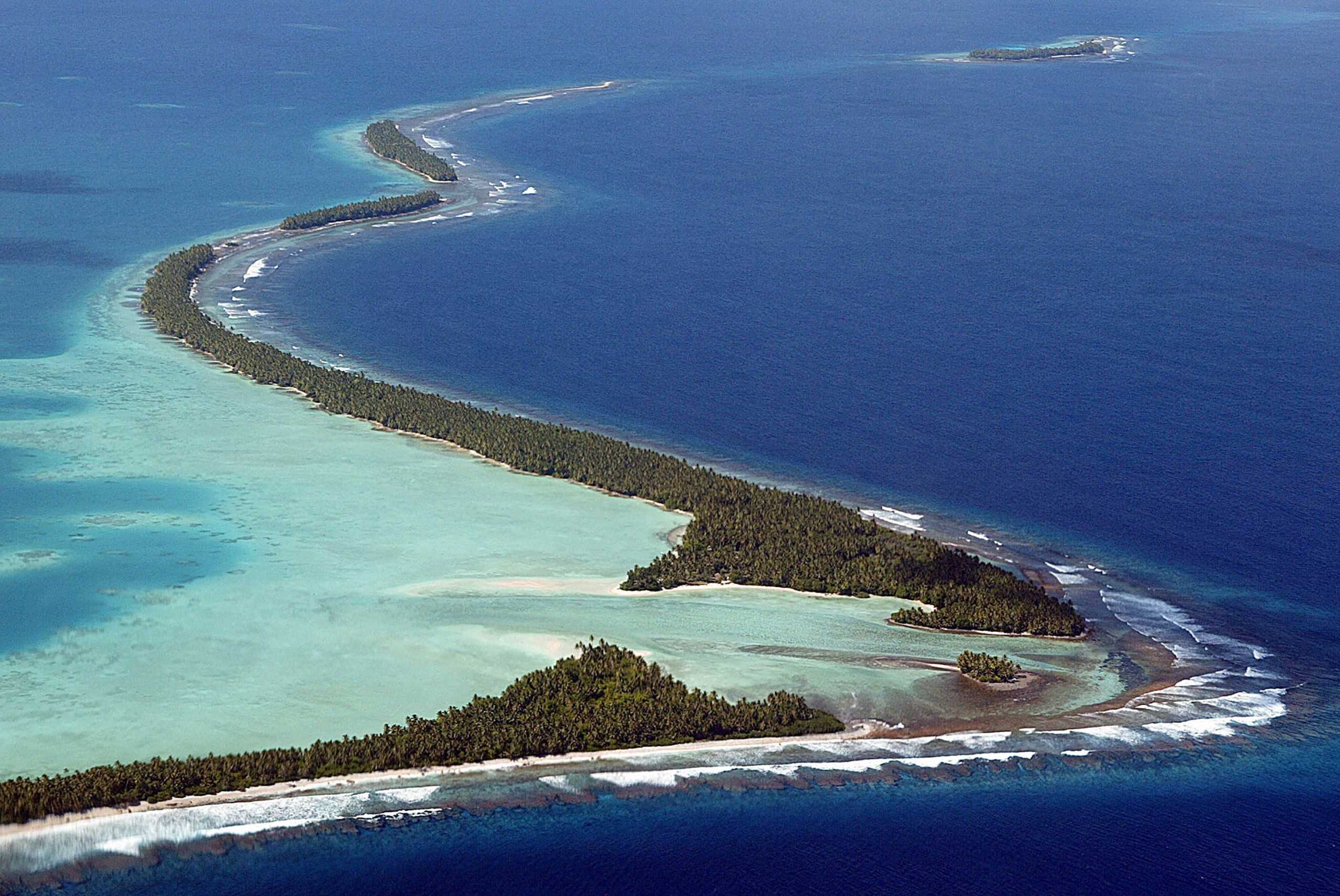
Delegates will take a one-day trip on Tuesday to low-lying Tuvalu, which is already planning to move its population if the ocean swallows the country.
Bowen confirmed on Monday that 14 leaders – most from the Pacific – would attend that visit.
Tuvalu is one of the world’s least visited countries. The highest point in its capital Funafuti sits just two metres above sea level.
ALSO READ: World braces for potentially strongest El Niño on record as ocean temperatures soar