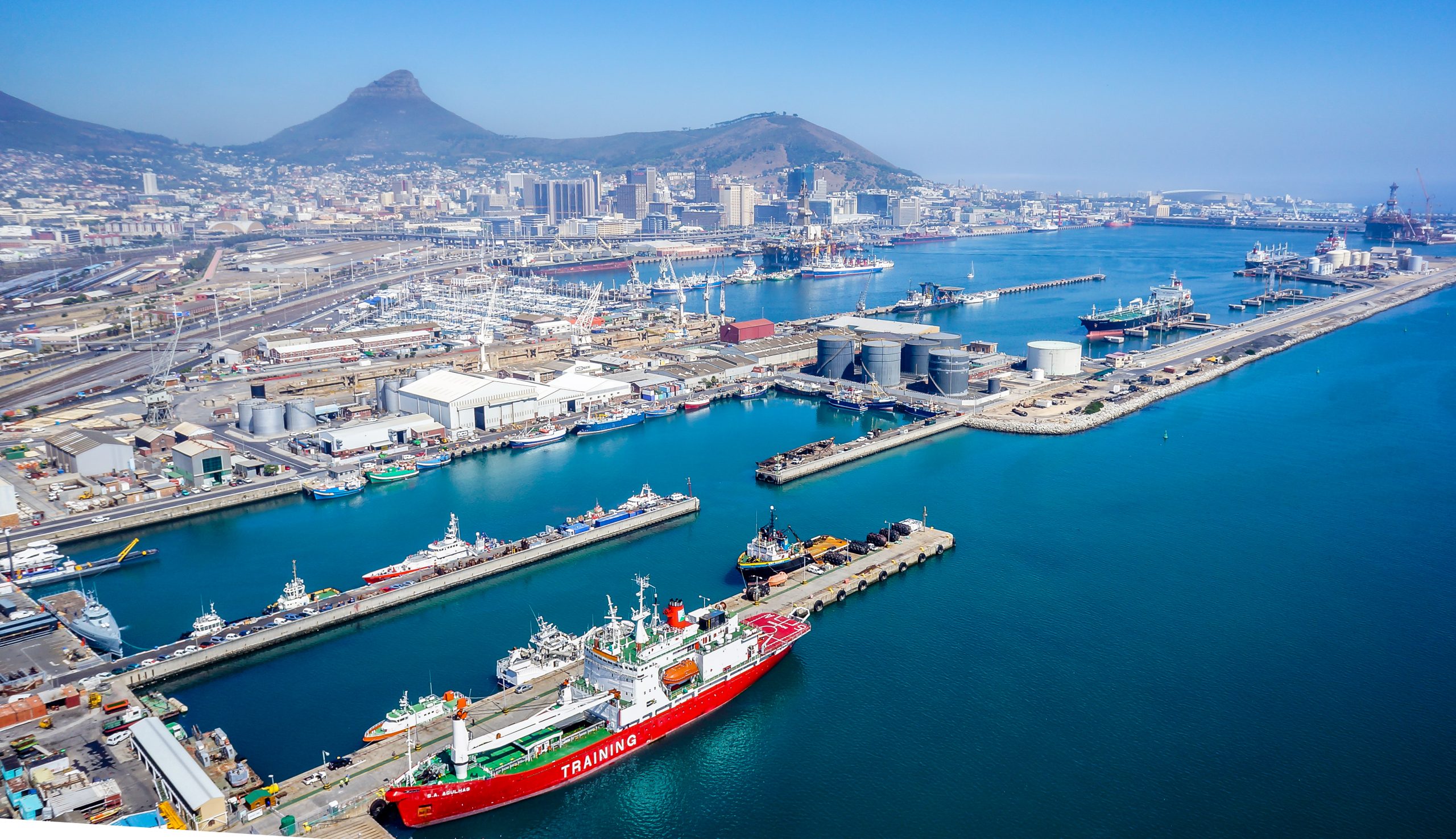
An exporters’ body is calling on Transnet National Ports Authority to clarify exactly which facilities are being privatised at the Port of Cape Town, amid confusion over a 25-year concession tender.
The authority issued a request for proposals in July for a private terminal operator to design, finance, operate, maintain, refurbish and construct a multipurpose terminal at B, C and D berths under a quarter-century concession.
However, Exporters Western Cape chairperson Terry Gale said the announcement has caused widespread confusion within the logistics and export sectors.
Many stakeholders believed the request covered the existing Cape Town Multipurpose Terminal, which is operated by Transnet Port Terminals.
“This is not the case. The RFP specifically covers B to D berths, which are currently used by FPT,” Gale said.
Confusion over scope
He said it was crucial for the ports authority to clarify the distinction, as the future operation and development of different terminal facilities would have direct implications for exporters and other port users.
“FPT has operated B to D berths successfully over the past few years, consistently achieving its performance targets. Since management was transferred to Africa Global Logistics in April 2025, the operation has also made use of A berth, strengthening the value it offers the industry,” he said.
The tender, which closes in November, seeks an operator for a multipurpose terminal handling general cargo including steel, sugar, rice, oats, paper, fertiliser, soybeans, salt, wheat, maize, seeds, cement and fruit. It explicitly excludes liquid bulk cargo such as petrochemicals.
The successful bidder will be measured against the authority’s Terminal Operator Performance Standards, which include key performance indicators related to cargo throughput, productivity, vessel turnaround times, berth occupancy and equipment availability.
Building on improvements
Exporters Western Cape supports increased private-sector participation and investment at the Port of Cape Town but believes the process must be clearly communicated and should build on operational improvements already achieved.
“The private sector has an important role to play in improving the capacity, reliability and competitiveness of the port. However, stakeholders need certainty about exactly which facilities are involved, what will happen to the existing operator and how the concession will affect current cargo operations,” Gale said.
The exporters’ body believes the Cape Town Multipurpose Terminal should be prioritised for further investment and upgrading, given its location in an area of the port less affected by summer south-easterly winds.
The winds, which blow down Devil’s Peak directly into the Cape Town Container Terminal, regularly halt operations for safety reasons when speeds exceed 90 km/h.
Between November and December 2025, the container terminal lost about 30 days of productivity due to wind-related stoppages. During the November 2025 to January 2026 period, the port faced persistent winds often exceeding 100 km/h, resulting in approximately 915 lost operational hours.
ALSO READ: Durban named world’s most improved port as Cape Town ranks worst globally
Wind protection advantage
“During our weekly stakeholder engagements, EWC has consistently called for better use of the CTMPT. We believe it should be upgraded and equipped with ship-to-shore gantry cranes so that it can provide additional container-handling capacity when the main container terminal becomes windbound,” Gale said.
ALSO READ: Agriculture minister takes action as Cape Town port failures cripple fruit farmers
The multipurpose terminal is described as being 50% less prone to wind impact than the container terminal, according to Transnet Port Terminals.
The concession forms part of Transnet’s broader private-sector participation programme intended to attract private capital and expertise to improve port efficiency and capacity. The authority has previously issued separate requests for proposals regarding the port’s liquid bulk and cold storage terminals.
Exporters Western Cape is engaging with the ports authority to obtain clarity on the scope of the request for proposals and its implications for existing operations at the port.
ALSO READ: R1 billion lost to Cape Town port inefficiencies — calls for urgent privatisation to protect exports