The Port of Durban has been named the world’s most improved container port, while the Port of Cape Town has been ranked as the worst-performing container terminal globally, according to the World Bank’s Container Port Performance Index 2025 released last week.
Durban’s sister ports on the Eastern Cape, Ngqura and Port Elizabeth, have also shown remarkable improvement, ranking among the top global improvers.
Durban leads world in improvement
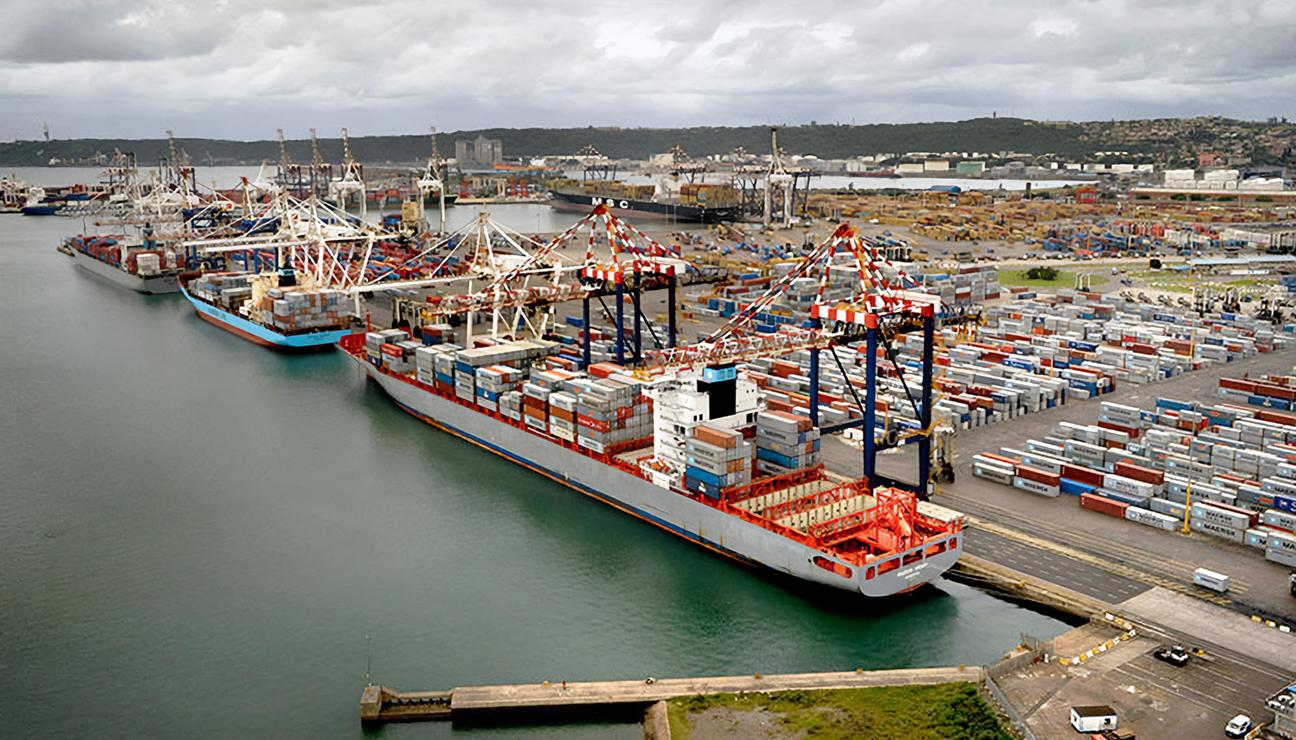
The Port of Durban recorded a 479-point improvement in the 2025 index, the highest among all ports assessed worldwide. The port improved from a score of -721 in 2024 to -242 in 2025, with vessel waiting times reduced from 20 vessels to zero.
The turnaround follows a 25-year concession agreement signed with International Container Terminal Services Inc. in December 2025, which took effect this year. The private-sector partnership aims to increase capacity from two million containers to 2.8 million containers and bring the terminal to international best practice standards.
Eastern Cape ports show strong gains
Ngqura Port achieved a 165-point improvement in 2025, making it the third-highest improver globally, with its score improving from -284 in 2024 to -119 in 2025.
Port Elizabeth recorded a 146-point improvement, ranking as the sixth-highest improver worldwide, with its score improving from -169 in 2024 to -23 in 2025. Over the longer term from 2020 to 2025, Port Elizabeth was identified as one of the leading improvers globally.
Cape Town deteriorates further
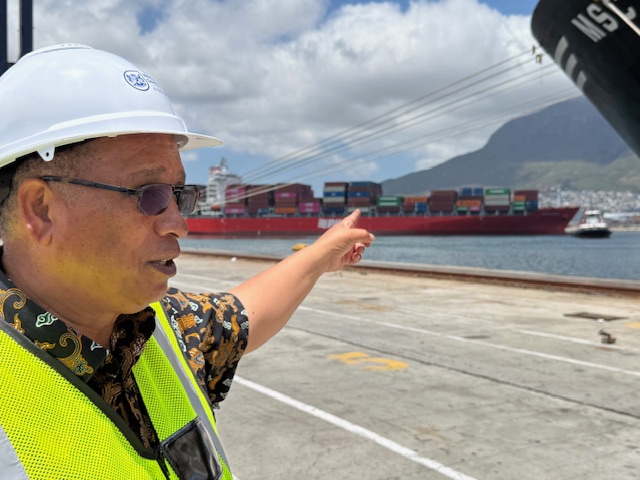
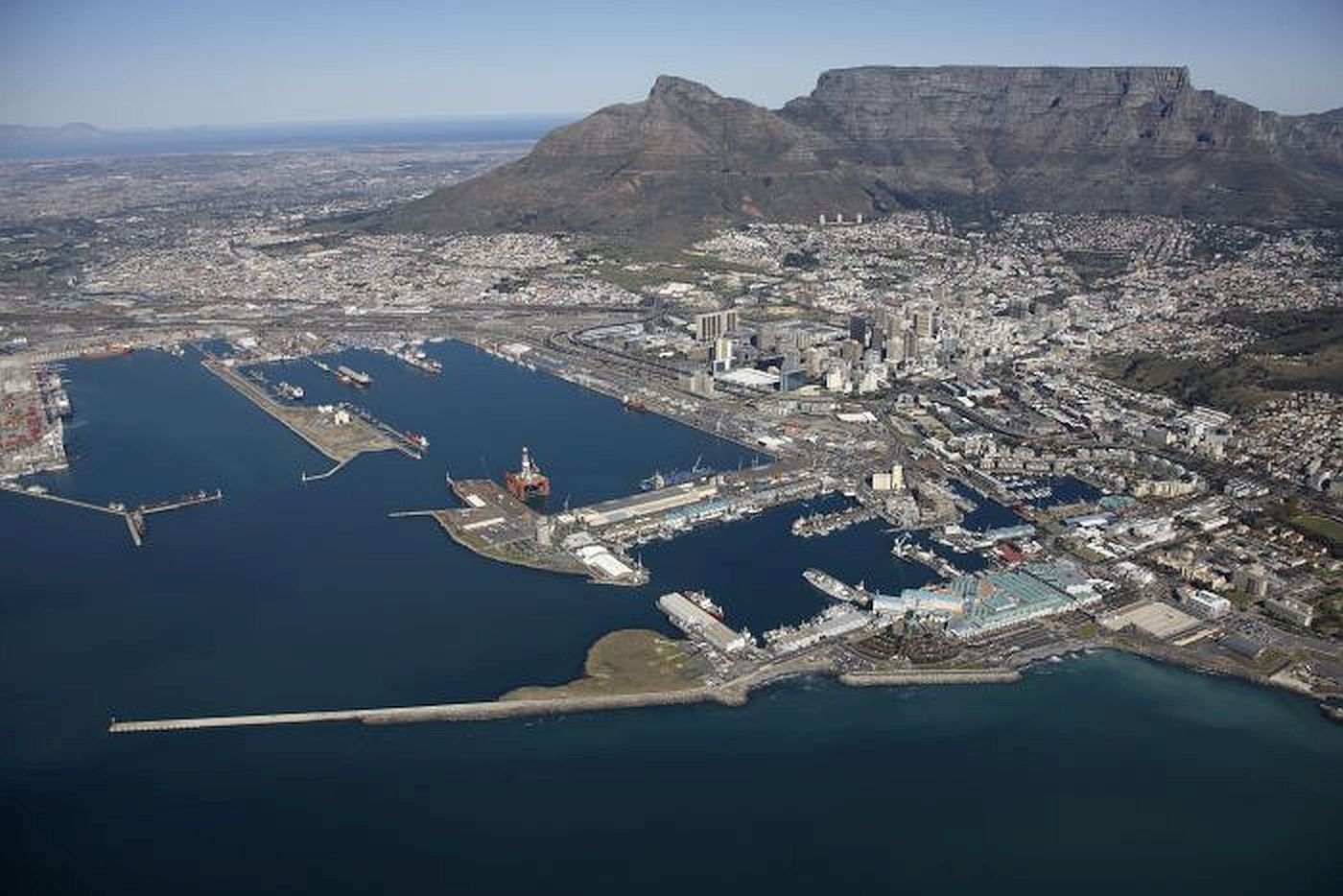
In contrast, the Port of Cape Town was ranked 400th and last among container ports worldwide. The port’s performance worsened from a score of -281 in 2024 to -302.6 in 2025.
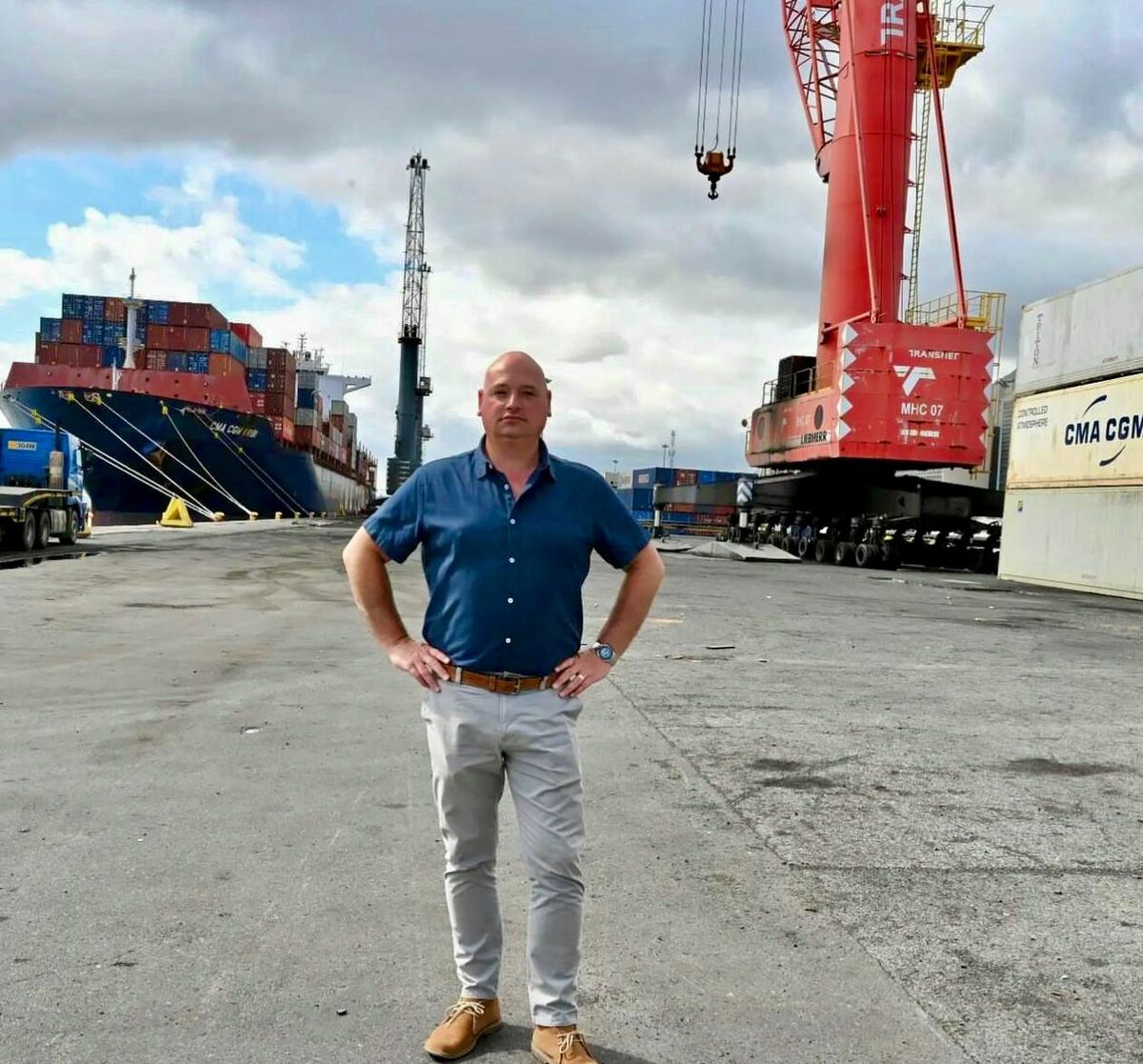
Industry stakeholders have identified persistent structural failures at Cape Town Container Terminal, including equipment failures, labour management problems, health and safety governance issues, and operational control failures. The port averages 15 gross crane movements per hour, far below the global benchmark of 26 to 30 movements per hour.
Environmental constraints also hamper operations, with frequent high-speed winds exceeding 70km/h regularly forcing the suspension of crane operations.
ALSO READ: Dead in the water: Why South African ports can’t stay afloat
Fruit industry bears the cost
The operational failures have cost the Western Cape’s fruit export sector more than R1 billion. By early February 2026 alone, the deciduous fruit industry reported losses exceeding R350 million since the start of the 2025-2026 export season.
As of 30 January, approximately 1 688 containers were stuck in cold storage, with costs from transporting containers to alternative harbours exceeded R133 million.
Industry body Hortgro announced in early 2026 that it was considering legal action against Transnet due to sustained underperformance.
Different paths forward
The contrasting fortunes highlight different reform approaches. Durban, Ngqura and Port Elizabeth have benefited from private-sector partnerships and operational reforms, while Cape Town continues to operate under direct Transnet management without a competitive concession model.
Plans for Cape Town include a Phase 2B expansion to increase capacity from one million to 1.4 million containers, with construction scheduled to have commenced in January 2026. However, experts note that terminal-level improvements alone cannot address broader systemic problems including rail unreliability and fragmented governance.
ALSO READ: Cape Town urged to capitalise on shipping surge as global routes shift