

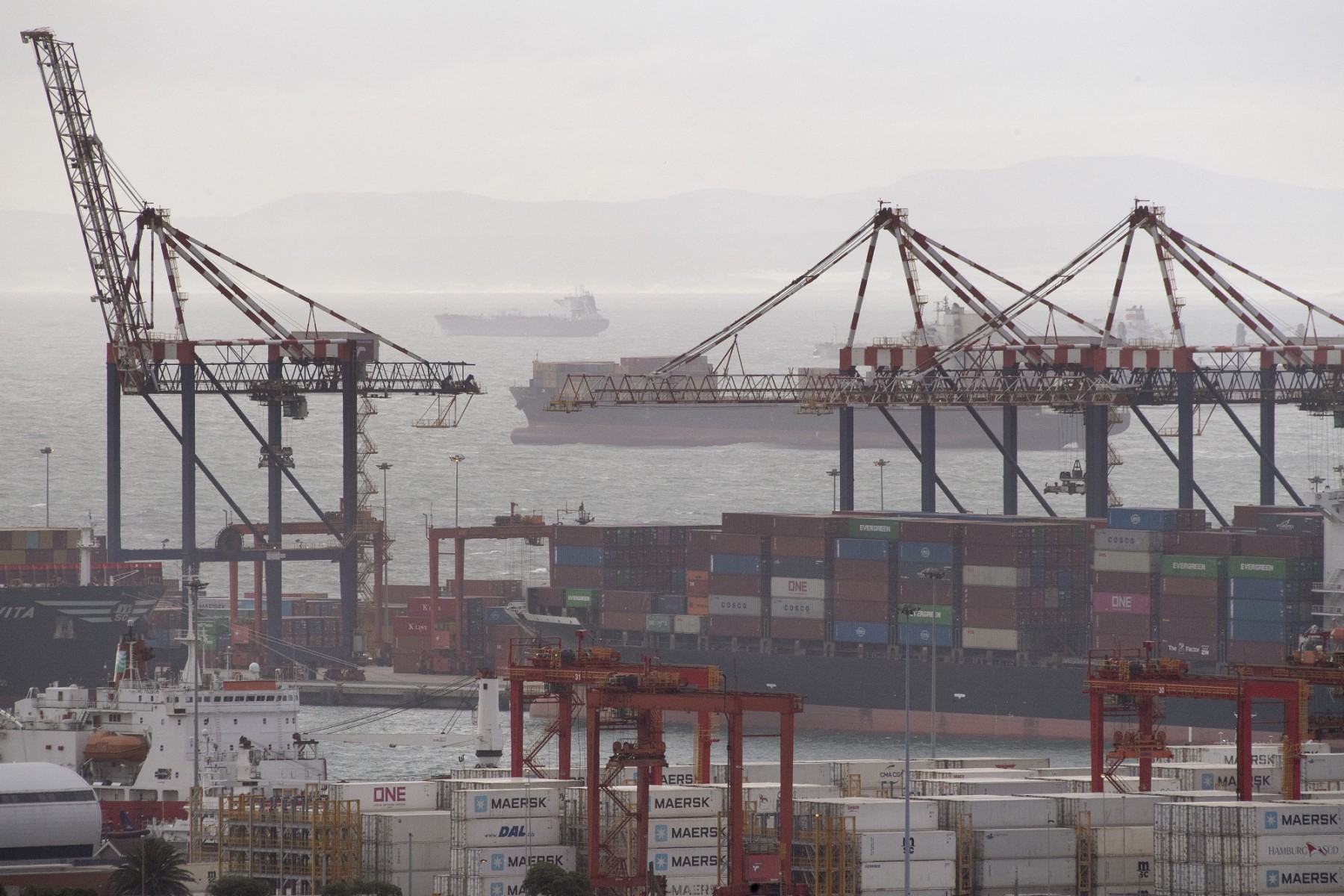
Cape Town’s port infrastructure must improve urgently to take advantage of increased shipping traffic caused by Middle East disruptions, industry experts have warned.
Exporters Western Cape (EWC) says recent upgrades to the Port of Cape Town, including new cranes, additional straddle carriers and a deepened container basin, have not yet delivered the efficiency needed to fully exploit current market conditions.
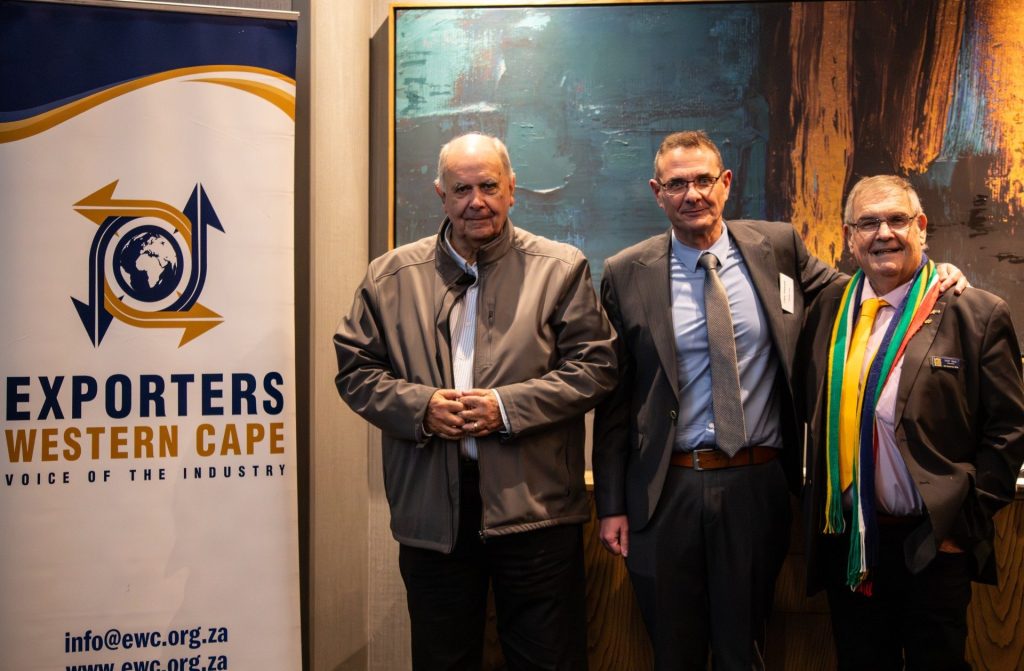
Terry Gale, EWC chairman, said the situation in the Middle East has resulted in more vessels moving around the Cape of Good Hope, but the city is not yet leveraging that opportunity.
Shipping expert Brian Ingpen told an industry engagement that at least 80 vessels bypass the Cape daily, even without increased rerouting.
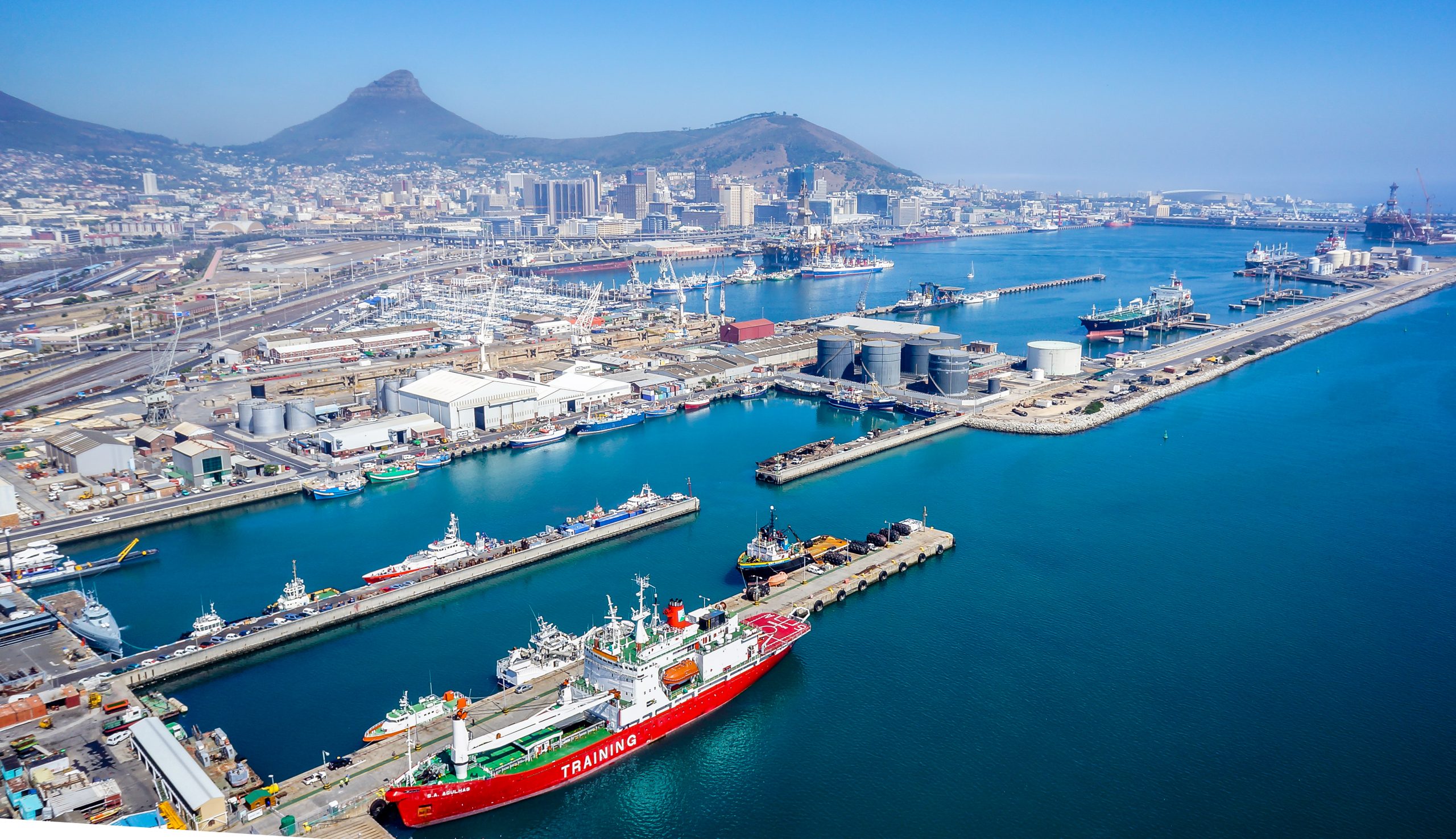
“If we can entice even 10 ships a day to come into port to bunker, we will make money and start filling empty berths,” he said. “One vessel can leave behind at least one million rand, excluding the fuel. You bring a ship in to bunker and yes, you sell fuel, but they always need something else. That is where the real value comes in.”
Ingpen said ship repair services also offered significant value if the right infrastructure and capacity were in place, but unlocking this would require addressing operational constraints including fuel availability, service efficiency and cost competitiveness.
He said there was an urgent need to expand container handling facilities, improve the positioning of infrastructure like the reefer stack and invest in additional gantry cranes to speed up operations.
The cruise sector has demonstrated what is possible when conditions are right, contributing close to $2 billion to Cape Town each season. The value extends beyond passenger spend to provisioning, refuelling and associated services, with recent geopolitical disruptions introducing new operators to the destination.
Louis Niemand, investment director at Ninety One, warned that global conditions have shifted rapidly from strong growth and easing inflation to uncertainty driven by conflict in the Middle East and instability around key shipping routes such as the Strait of Hormuz.
“The news flow changes every single day in terms of whether the Strait is open or not and markets are moving between 5% and 10% every time things change,” he said. “At the same time, the oil price is not going back to $60 per barrel in the short term, which means structurally higher inflation and interest rates are not coming down anymore.”
ALSO READ: R1 billion lost to Cape Town port inefficiencies — calls for urgent privatisation to protect exports
Niemand said the global outlook was now less positive than at the start of the year, with expectations shifting from interest rate cuts to the likelihood of at least two interest rate hikes in South Africa in the coming months.
ALSO READ: Shipping companies tell vessels to steer clear of Gulf amid regional conflict
“South Africa is highly sensitive to oil prices and a weaker rand. When global uncertainty rises, you get both at the same time and that is a double negative for the economy. Our inflation pressure is not coming from strong growth, it’s coming from external shocks,” he said.
Gale said while global conditions remain outside South Africa’s control, the local response must be within it.
“We cannot control global events, but we can control how we respond. The opportunity is there, but it requires decisive action and improved efficiency,” he said.
ALSO READ: Dead in the water: Why South African ports can’t stay afloat


You must be logged in to post a comment.