

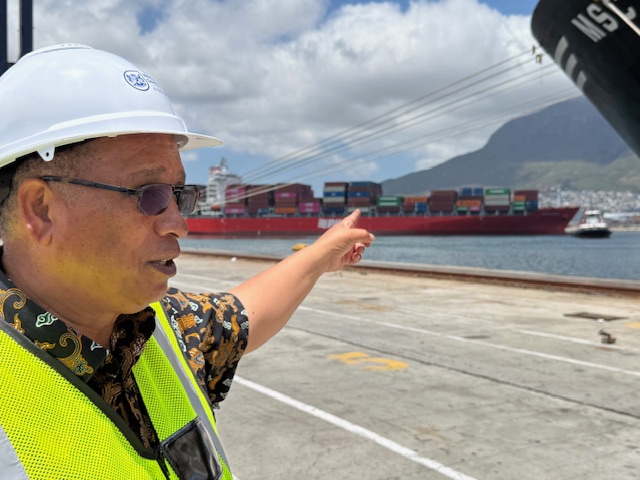
The Port of Cape Town has been ranked last out of 400 global container ports in the World Bank’s Container Port Performance Index 2025, prompting urgent intervention plans from the Western Cape government.
The ranking reflects years of operational challenges that have cost Western Cape fruit farmers severe financial losses due to delays and inefficiencies at the Transnet-managed facility.
Dr Ivan Meyer, Western Cape minister of agriculture, economic development and tourism, has outlined four targeted interventions following a visit to the harbour to assess conditions first-hand.
“Ports are critical enablers of economic growth, trade, and job creation. The performance of the Port of Cape Town directly impacts exporters, particularly in the agriculture and perishables sectors,” said Meyer.
The minister acknowledged that while recent data shows encouraging improvements in vessel turnaround times, urgent and sustained interventions are required to address systemic inefficiencies.
Four priority actions
The Western Cape government’s department of economic development and tourism has identified four priority actions to drive performance improvements.
The first involves strategic engagement with the World Bank team responsible for the index to ensure greater transparency in performance measurement. Officials will compare port call data used by the World Bank with the Western Cape government’s Digital Logistics Planning Platform and discuss the methodology behind the administrative component of the index.
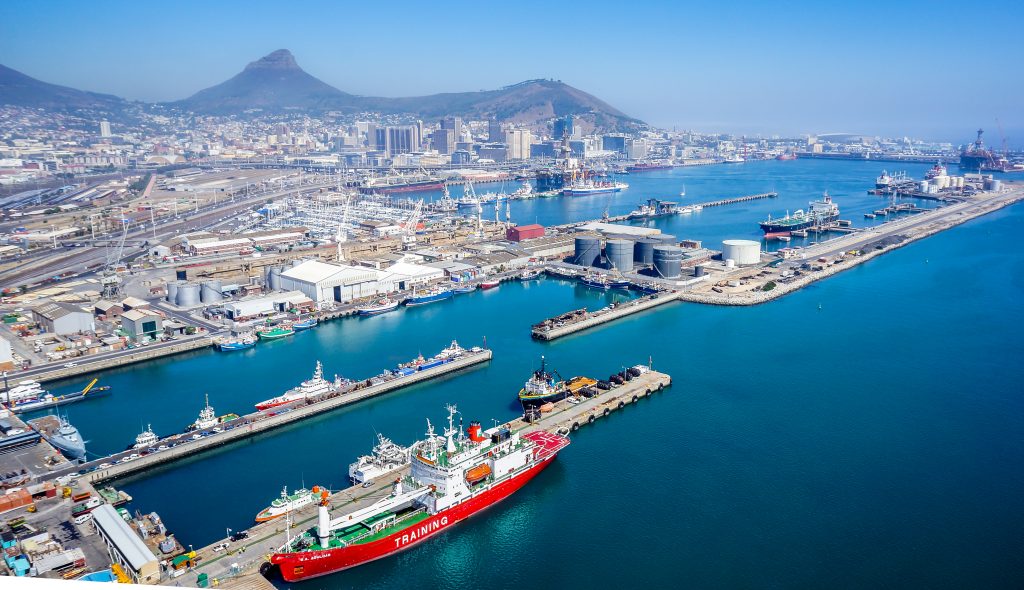
The second action requires high-level engagement with Transnet National Ports Authority, Transnet Port Terminals and Transnet Freight Rail to implement operational improvements. Key interventions include mitigating disruptions such as wind-related stoppages, improving vessel sequencing at berth, and enhancing container stack management to prevent vessel delays.
The third priority focuses on coordinated action with port users to minimise congestion, particularly during peak export periods. This includes expanding night-shift operations when conditions permit, increasing use of inland terminals and off-port facilities, and promoting greater private sector participation in terminal operations.
The fourth intervention will elevate port performance as a central theme of the 2027 Port of Cape Town stakeholder dialogue, with the World Bank and key industry leaders invited to participate.
ALSO READ: Dead in the water: Why South African ports can’t stay afloat
Signs of progress
Despite the poor ranking, Meyer noted that data from the Western Cape government’s Digital Logistics Planning Platform shows a 33% improvement in vessel port call times in 2026 year-to-date compared to the same period in 2025.
“This demonstrates that targeted interventions can yield results. Our focus now is to sustain and accelerate these improvements through strong partnerships and data-driven decision-making,” he said.
ALSO READ: Cape Town urged to capitalise on shipping surge as global routes shift
The minister said the Western Cape government will continue to advocate for greater private sector involvement in the management of container terminals at the Port of Cape Town, similar to arrangements already in place at the Port of Durban.
“Improving the Port of Cape Town’s efficiency is essential to unlocking export growth, safeguarding jobs, and strengthening the province’s position as a leading trade gateway,” Meyer said.
“We are committed to working with all stakeholders to build a more efficient and globally competitive port system that supports economic growth and jobs in the Western Cape and South Africa as a whole.”
ALSO READ: Durban named world’s most improved port as Cape Town ranks worst globally



You must be logged in to post a comment.