Easter, the most important celebration in the Christian calendar, commemorates the crucifixion of Jesus Christ and His resurrection from the dead three days later. For Christians worldwide, this event represents victory over sin and death, offering hope, forgiveness, and new life.
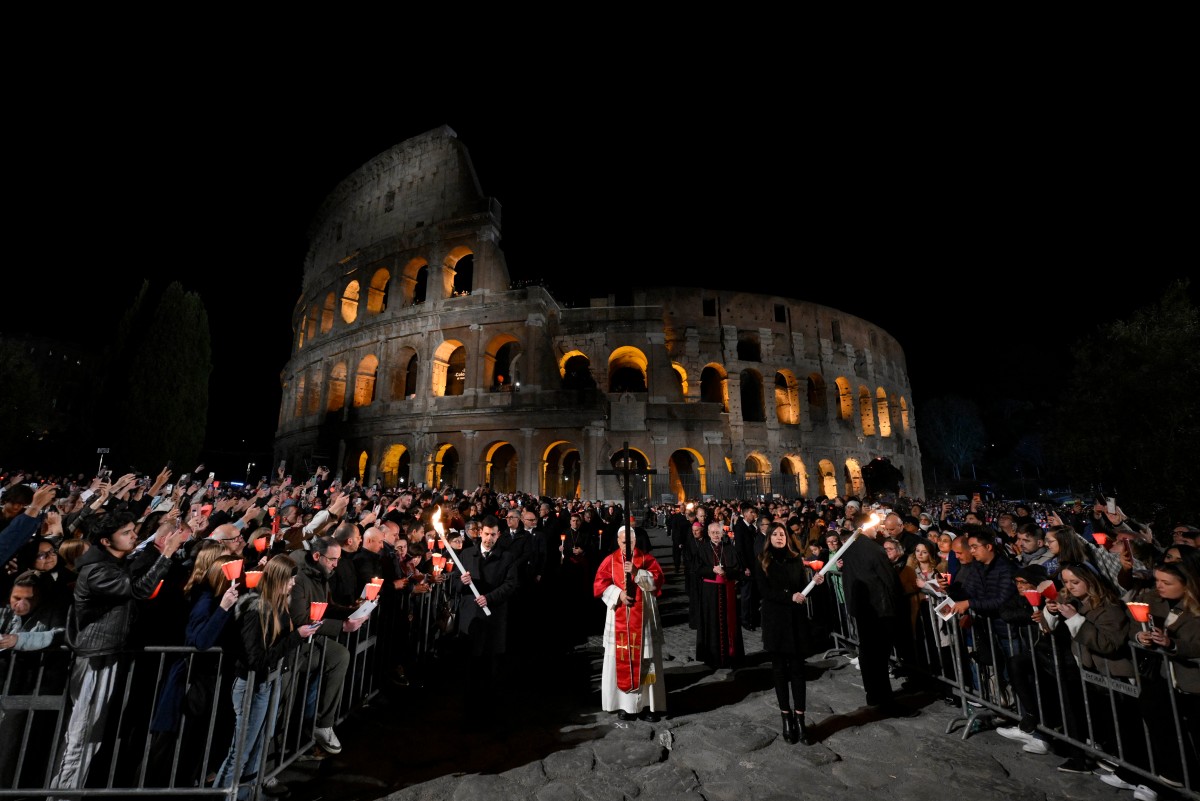
The festival marks the culmination of Jesus’ Passion, preceded by Lent, a 40-day period of fasting, prayer, and penance. Easter takes place at the end of Holy Week, during which Christians remember Jesus’ persecution, crucifixion, and death. This week includes observances such as Palm Sunday, Maundy Thursday, and Good Friday.
Whilst Easter’s religious significance remains central, many modern customs blend Christian observances with pagan rituals and folklore from 19th-century Europe. The holiday’s name is believed to derive from Ēostre, an Anglo-Saxon goddess honoured with feasts during the month corresponding to April. These pagan associations with spring and new beginnings have influenced some of the holiday’s contemporary symbols.
European celebrations
In Greece, Orthodox Easter stands as a major celebration with age-old traditions. During Holy Week, churches are adorned with black and purple ribbons. On Maundy Thursday, families bake tsoureki, a fragrant brioche, and lamprokouloura (Easter biscuits), whilst eggs are dyed red to symbolise rebirth and spiritual regeneration. Good Friday features a procession with the Epitaphios, a flower-covered bier representing Christ’s tomb. Holy Saturday preparations begin for the festive dinner after the midnight Resurrection Mass, often including mageiritsa soup.
Poland observes a unique tradition on Easter Monday known as Smigus-Dyngus or Wet Monday. On this day, it is customary for people, particularly men, to drench women with water. This playful custom is believed to bring good luck.
In Austria, Palm Sunday involves people bringing decorated palm willow twigs to church to be blessed. These twigs are then kept in homes as protection against diseases and thunderstorms, whilst Easter Sunday marks the end of the 40-day fasting period with a family feast and the mythological Easter bunny hiding coloured eggs, sweets, and small presents for children to find.
Scandinavian witches and willow twigs
In Finland and Sweden, children dress up as Easter witches and go door-to-door on Palm Sunday or Easter Saturday. Finnish children, known as pääsiäisnoita or trulli, offer decorated willow twigs as blessings to ward off evil spirits in exchange for treats such as sweets or small change.
Swedish children dress as påskkärringar (Easter witches) or påsktroll (Easter trolls) and wish families Glad Påsk (Happy Easter). This custom is rooted in folk tales and historical witch panics, marking the time when witches were believed to celebrate Sabbath before Jesus’s resurrection. The tradition is observed on Maundy Thursday or the night between Holy Wednesday and Thursday.
Solemn processions in the Philippines
In the Philippines, Semana Santa (Holy Week) is a significant religious observance marked by solemn traditions, particularly processions that depict the Passion of Christ. These Spanish-influenced Catholic rituals often incorporate elements of pre-colonial beliefs.
ALSO READ: Virtual Jesus? People of faith divided as AI enters religion
A central event is the Sto. Entierro procession held on Good Friday, which portrays Christ’s final journey to the tomb. This solemn candlelight procession typically occurs after the liturgical commemoration of the Lord’s Passion, starting around 3pm, the time believed to be when Jesus died. An image of the dead Jesus is carried in a large calandra, accompanied by an image of Mater Dolorosa, representing Mary’s sorrow.
Common traditions worldwide
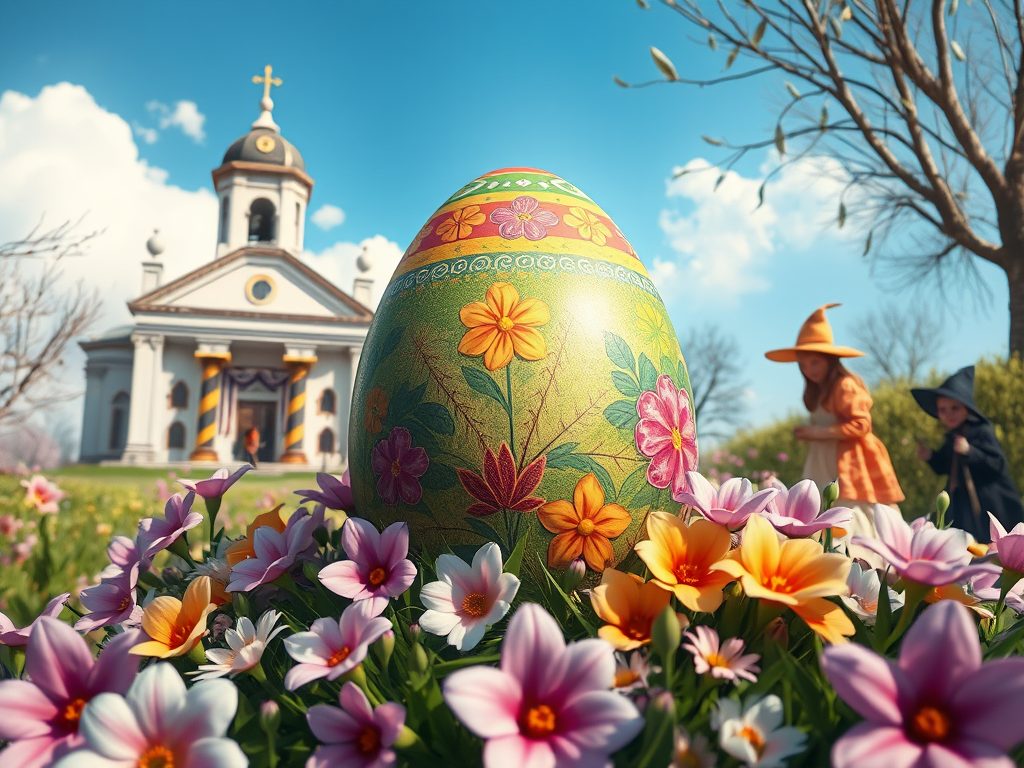
Common Easter traditions include sunrise services or late-night vigils, the exchange of Paschal greetings, and decorating crosses with flowers. Easter lilies are often used as a symbol of the resurrection, and in Ukraine, a notable tradition involves decorating eggs with traditional folk designs.
The season is a time for feasting and celebration, following the penitential period of Lent, with families gathering for festive meals that vary by region and culture.