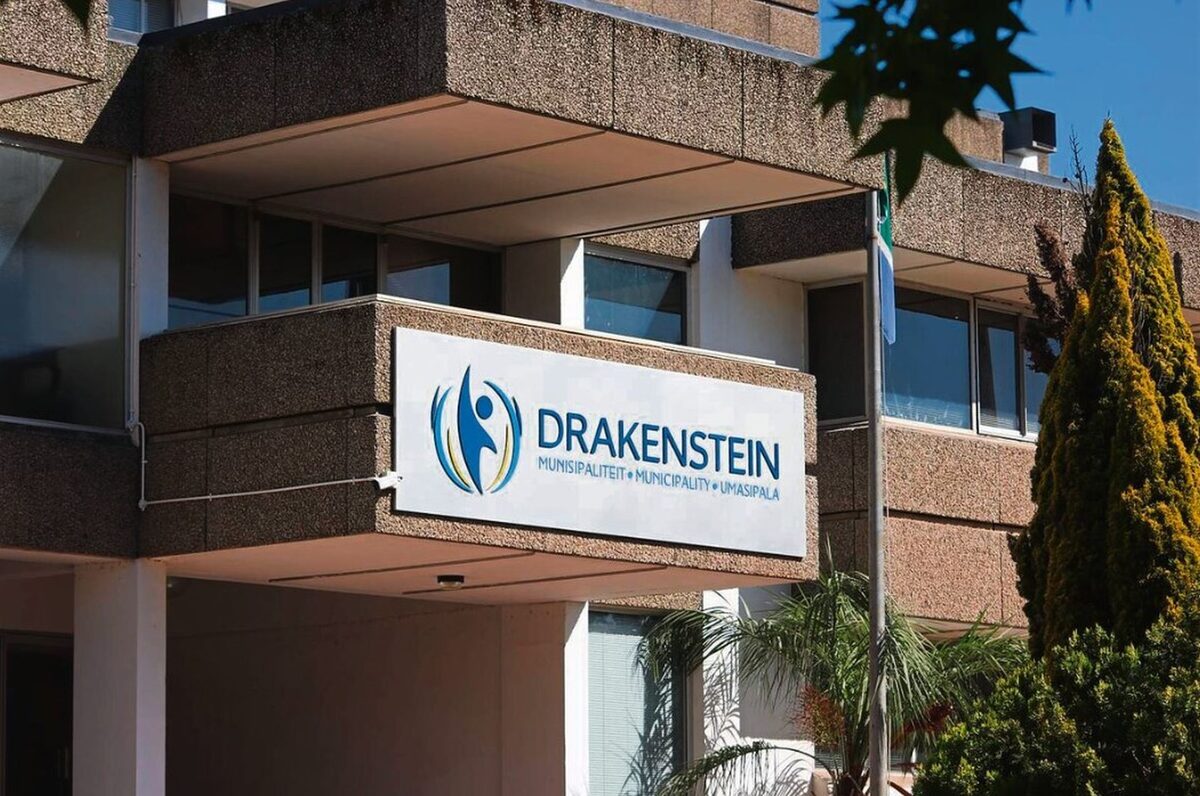
Drakenstein Municipality (DM) has tabled its biggest funded budget to date, unveiling a R4.5 billion spending plan aimed at accelerating infrastructure development, stimulating economic growth and expanding support for vulnerable residents.
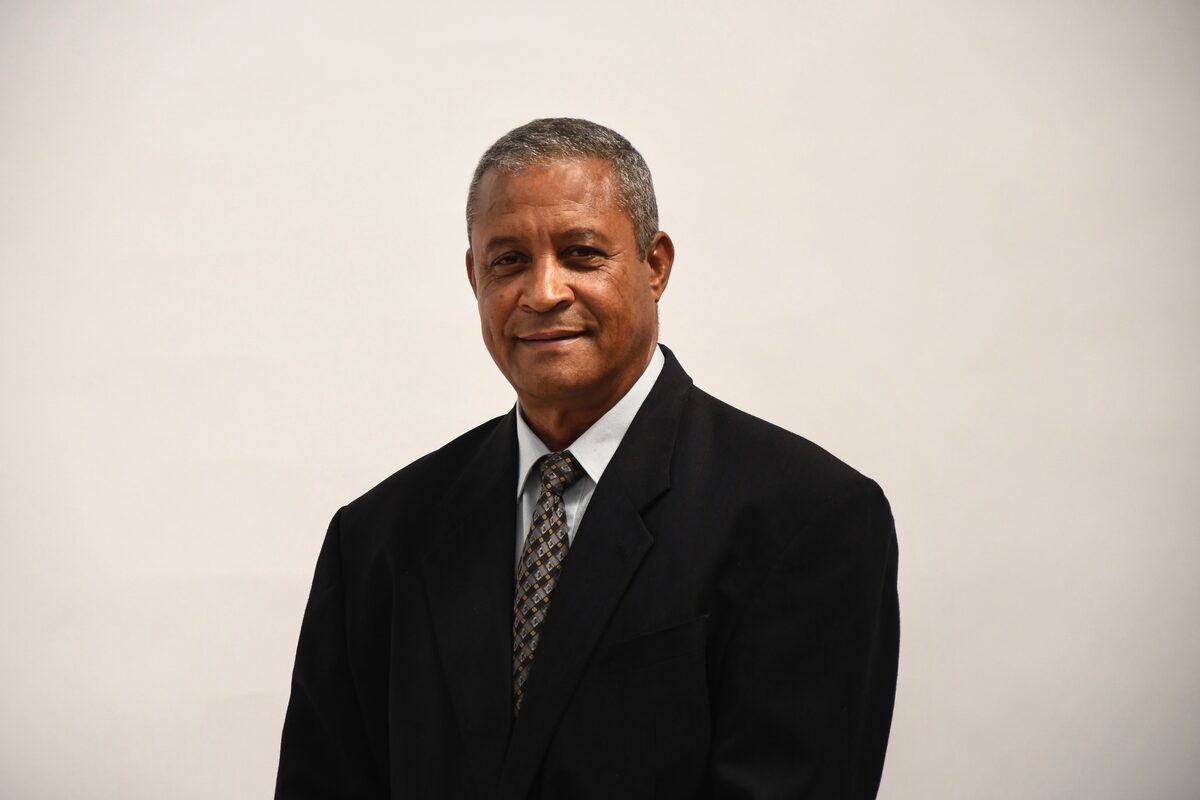
Executive mayor Stephen Korabie delivered the municipality’s 2026-’27 budget speech today (27 May), outlining plans for major investment in water, sanitation, electricity, roads, housing and job creation while maintaining what he described as “sound fiscal discipline”.
The budget consists of a R3.9 billion operating budget and a R569 million capital budget, making it the largest annual funded budget in Drakenstein’s history.
Korabie said the municipality’s economic outlook remained positive despite national financial pressures, rising living costs and global uncertainty.
According to the mayor, Drakenstein’s local economy – valued at more than R34 billion in 2024 – is now estimated to be nearing R40 billion due to rapid commercial and residential growth across the municipal area.
Tariff increases and indigent support
Residents will still face tariff increases in the new financial year, although the municipality said efforts had been made to keep increases affordable.
Property rates will increase by 3.7%, while water, refuse removal and sanitation tariffs will rise by 4.5%. Electricity tariffs will increase by an average of 6.3%.
Korabie said the proposed water tariff increase was lower than initially planned because the increase in bulk water purchases from the City of Cape Town was less than expected.
The municipality also expanded indigent support measures aimed at poorer households.
The qualifying household income thresholds for indigent support were increased by up to 30%, while child support and foster care grants will no longer be included in household income calculations.
A total of R215 million has been allocated to indigent support for the 2026/2027 financial year, benefiting 16 550 households currently registered on the municipality’s indigent database.
Benefits include free basic water, electricity, refuse removal, sanitation support and municipal rebates.
Developments
Among the major developments highlighted in the speech were the recently completed Winelands Square and Parelberg shopping centres, the new Alleman Square development, extensions to Paarl Mall and the upcoming Cecilia Junction retail project.
Korabie also pointed to ongoing residential developments such as Huguenot Estate, Zanddrift Estate, Firwoods Estate and Le Boutonne Estate, as well as bulk infrastructure work for the Fraaigelegen Precinct, which is expected to unlock 1 400 residential units.
Another major project expected to boost economic activity is the R5 billion upgrade of the Huguenot Tunnel, which will eventually provide two lanes of traffic in each direction through the mountain pass, which, according to previous reporting from Paarl Post, is still in the tender phase.
The mayor said increased business and investor confidence was reflected in continued private-sector investment and a growing number of development applications.
Between July 2025 and May 2026, the municipality approved 1 336 building plans with a combined value of approximately R2.92 billion. Of these, 1 155 were residential plans worth R2.08 billion.
Land use rights were also approved for 642 new residential opportunities, while applications for a further 1 588 residential opportunities are currently being processed.
Korabie said the municipality’s unemployment rate stood at 17.4% at the end of 2024 — significantly lower than provincial and national figures — and may now be even lower due to continued economic expansion.
Infrastructure spending dominates budget
A large portion of the new budget has been allocated to bulk infrastructure and service delivery projects.
Water and sanitation projects will receive R289 million during the coming financial year, including R250 million for the rehabilitation and upgrading of the Paarl Wastewater Treatment Works.
Additional allocations include:
- R20.4 million for upgrading water networks and bulk water meters;
- R6 million for replacing and upgrading sewerage networks;
- R6 million for upgrading services in informal settlements, and
- R4.6 million for equipment replacement at the Wellington Wastewater Treatment Works.
The municipality also confirmed that work is continuing on the R1.4 billion Budget Facility for Infrastructure (BFI) grant project awarded by National Treasury to upgrade Drakenstein’s bulk sewerage network and treatment capacity.
Korabie described the grant as a sign of confidence in the municipality’s ability to manage and spend large-scale infrastructure budgets effectively.
Electricity infrastructure projects will receive R92.3 million, including funding for:
- a new 11kV Vlakkeland switching station;
- network upgrades;
- streetlight projects;
- electrification of informal settlements, and
- upgrades to the municipality’s electricity management system.
Roads and stormwater infrastructure has been allocated R39.8 million, including:
- R18.3 million for road resealing;
- R10.4 million for planning upgrades to the Paarl Taxi Rank;
- R6 million for stormwater refurbishment projects, and
- funding for traffic calming, sidewalks and traffic lights.
The municipality also allocated R32 million to modernise and expand its municipal fleet.
Housing and community projects
Housing and urbanisation management featured prominently in the speech, with Korabie acknowledging increasing pressure caused by urban migration and growing numbers of backyard dwellers.
A grant allocation of R35.7 million has been awarded for housing projects during 2026/2027, with much of the funding earmarked for the Simondium Housing Development.
The municipality has also budgeted:
- R13 million for engineering services at the Lover’s Lane informal settlement;
- R10 million for maintenance and repairs to municipal rental stock, and
- continued investment in the Vlakkeland Housing Project, where 755 houses have already been completed and occupied.
Korabie further announced that approximately 603 Expanded Public Works Programme (EPWP) job opportunities would be created at a projected cost of R21.6 million.
The programme will focus on refuse removal, cleaning projects, stormwater maintenance, public safety initiatives and maintenance of public spaces.
ICC Cricket World Cup
Korabie revealed that Drakenstein, in partnership with Boland Cricket, had been selected as one of eight host cities for the 2027 ICC Cricket World Cup.
The municipality has allocated R11 million toward sport facilities, parks and cemetery infrastructure during the 2026/2027 financial year.
Projects include upgrades to the Mbekweni B and C soccer fields, Die Kraal sports facility, David Samaai tennis courts and swimming pools in Gouda and Hermon.
The Nieuwedrift Cemetery project will also continue, with further burial space, roads and ablution facilities planned.
Soup kitchens
Community development and poverty relief formed another key pillar of the budget speech, with Korabie announcing the opening of three new soup kitchens in Wards 12, 16 and 32.
This brings the total number of municipal-supported soup kitchens in Drakenstein to 22.
Korabie described the initiative as “compassion in action”, saying the programme was aimed at supporting vulnerable residents while reinforcing dignity and shared community responsibility.
The municipality also committed itself to ongoing interventions addressing gender-based violence, homelessness, substance abuse and youth support programmes.