

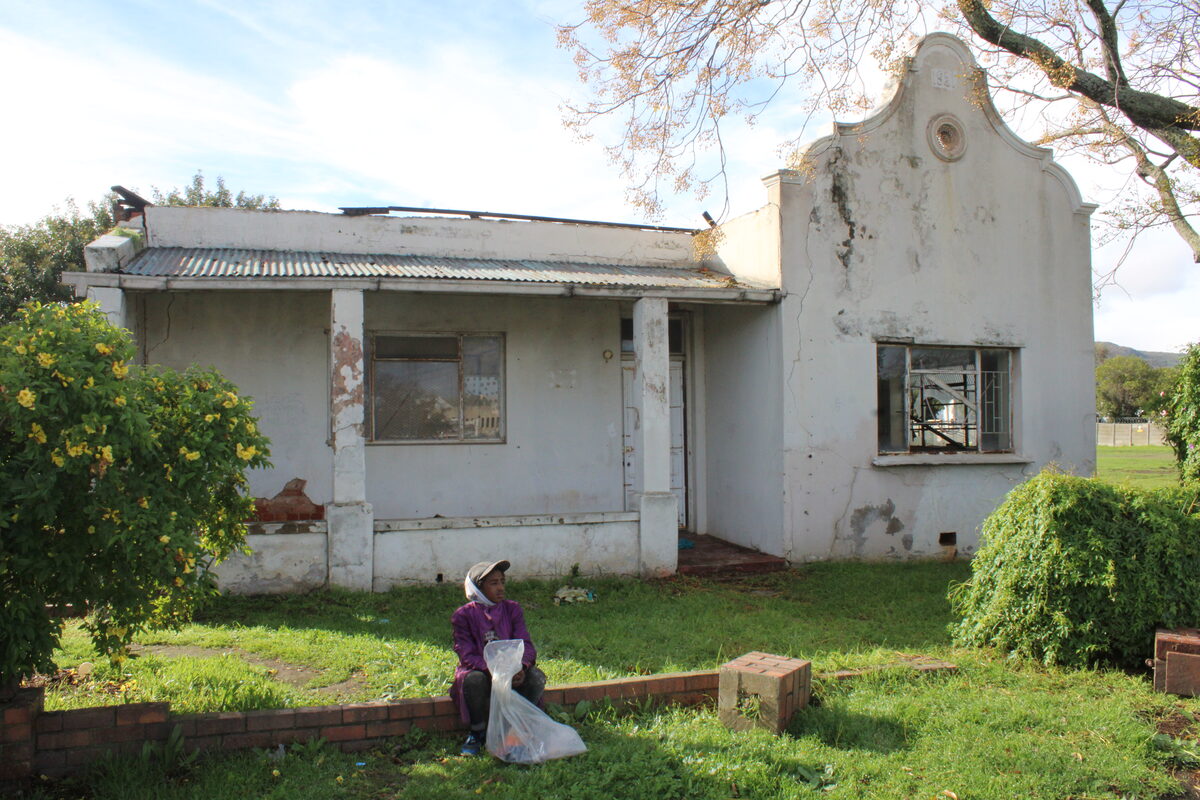
More than two years after a controversial proposal by the City of Cape Town to demolish two historic derelict buildings at New Street Park was fiercely blocked by heritage authorities, the site has degenerated into a severe community-security crisis.
In February 2024 the City’s Department of Recreation and Parks attempted to obtain a permit from Heritage Western Cape (HWC) to flatten the structures, which are more than 60 years old, citing escalating maintenance costs and safety risks (“Proposed demolition plan slammed,” DistrictMail & Helderberg Gazette, 14 February 2024).
However, following strong pushback from the community and local heritage bodies, who demanded the structures be saved and repurposed, the HWC committee ruled against demolition, ordering the City to seek alternative uses for the local assets.
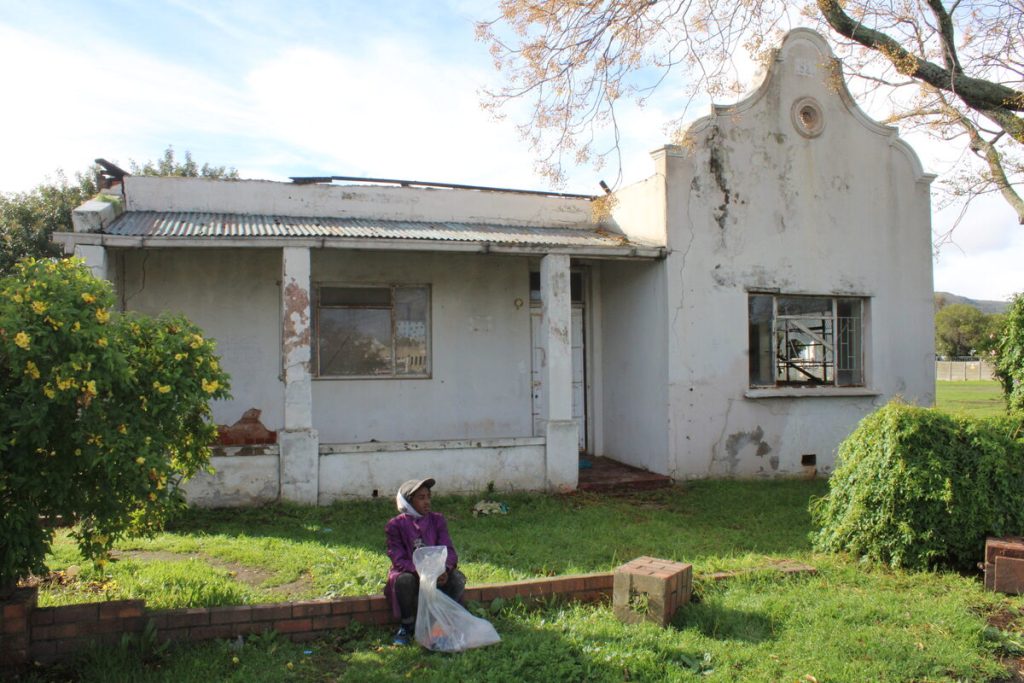
Today those very buildings stand completely abandoned, rapidly deteriorating and stripped of the very security that is meant to protect them.
When DistrictMail and Helderberg Gazette visited and inspected 24 New Street, the property revealed a shocking scene of neglect. An individual openly climbed through a broken window to enter the dilapidated heritage site.
The person, who identified himself as Jason Keanu, painted a bleak picture of the building’s current function as an illicit, unmanaged overnight shelter.
“It’s cold and raining, and we have nowhere else to go,” he said. “There are up to five or six homeless people sleeping inside the building every night for the past week. The guards do not trouble us or chase us away.”
No security
Desperate neighbours say the reason “the guards” are not troubling them, is that they do not exist. Despite recent official confirmations that 24 New Street is a registered Recreation and Parks asset requiring a dedicated, 24-hour on-site security presence, residents reported that security personnel have been absent for over a week.
The total breakdown in perimeter control has forced local homeowners to personally police the property to prevent it from being permanently occupied.
According to a formal complaint submitted by an outraged Helderberg resident, the situation reached breaking point last Monday morning (22 June).
Around 07:00, residents discovered two vagrants on the front stoep of the building. Another three persons had to be chased out of the actual security guard’s room where they had spent the night sleeping.
No municipal security guards were on site during the incident.
Locals report that individuals are routinely entering the property to consume alcohol, while ride-share drivers have turned the exterior of the historic building into an open area for public urination.
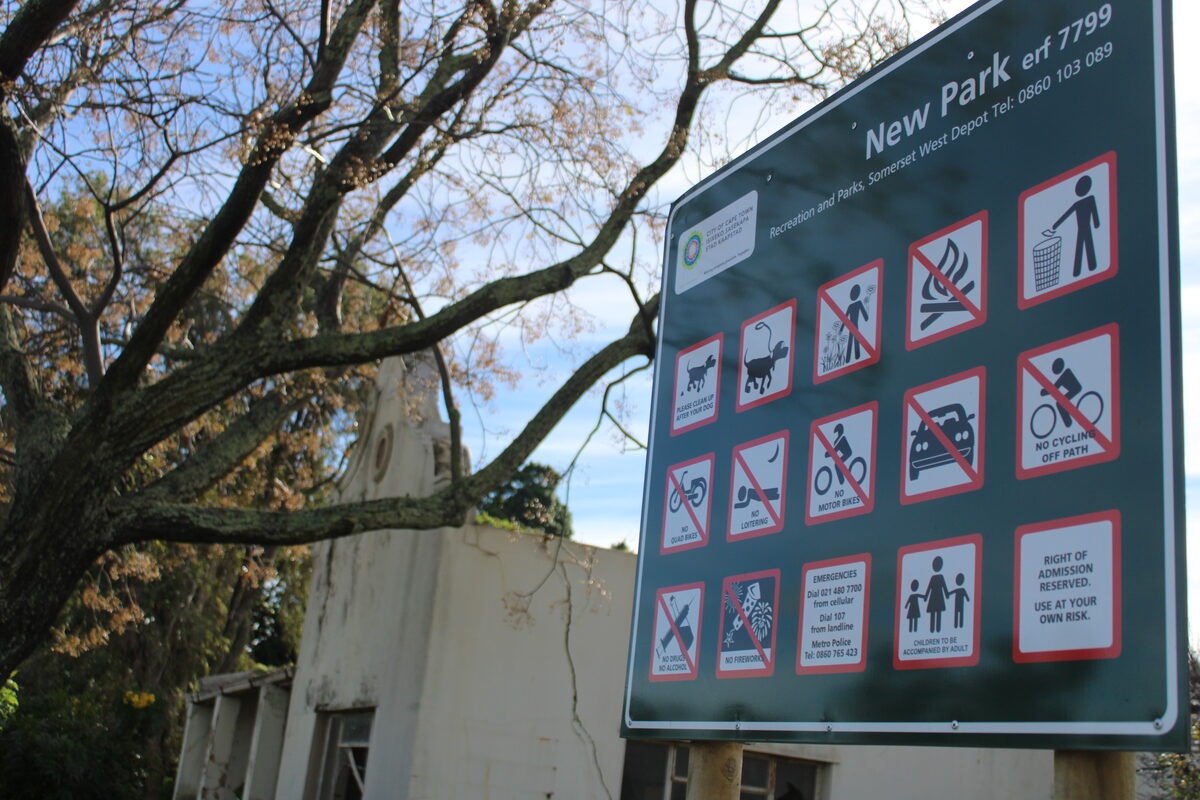
Squatters will have rights
“The community is deeply concerned that, if a permanent security presence is not immediately restored, occupying the property will be untenable,” the resident warned, pointing out that legal evictions are notoriously lengthy and difficult once squatters establish a foothold.
The Helderberg Renaissance Foundation (HRF), which spearheaded the initial 2024 campaign to save the buildings, has expressed absolute dismay at the City’s inaction.
Rob Young-Pugh, a HRF committee member, confirmed that more than two years had passed since it had successfully blocked the subcouncil’s demolition plans.
At the time fellow HRF member Annemie Vermeulen had proactively compiled and submitted a comprehensive list of alternative community-driven uses to restore and preserve the space, ranging from commercial leases to local workshops.
Frans van den Heever of the Friends of New Street Park had similarly championed a proposal to turn the buildings into a workshop for a local NPO’s cycling academy.
Since submitting those proposals, the HRF reports a wall of bureaucratic silence.
“The HRF has heard nothing more. The building remains unoccupied and has now deteriorated further,” Young-Pugh said.
“The City is the custodian of the building and responsible for the identification and management of Grade 3 (local level) heritage resources, in terms of Section 8(4) of the National Heritage Resources Act. It should, therefore, advise on progress in the adaptive reuse of the building as instructed by HWC.”
Approached for comment regarding the complete absence of security, the rise in vagrancy, and the failure to implement the HWC’s directive for adaptive reuse, the City was unable to collate a full, comprehensive response in time for publication.
“The City is looking into the matter and will respond once the information is collated and verified,” it said.


You must be logged in to post a comment.