

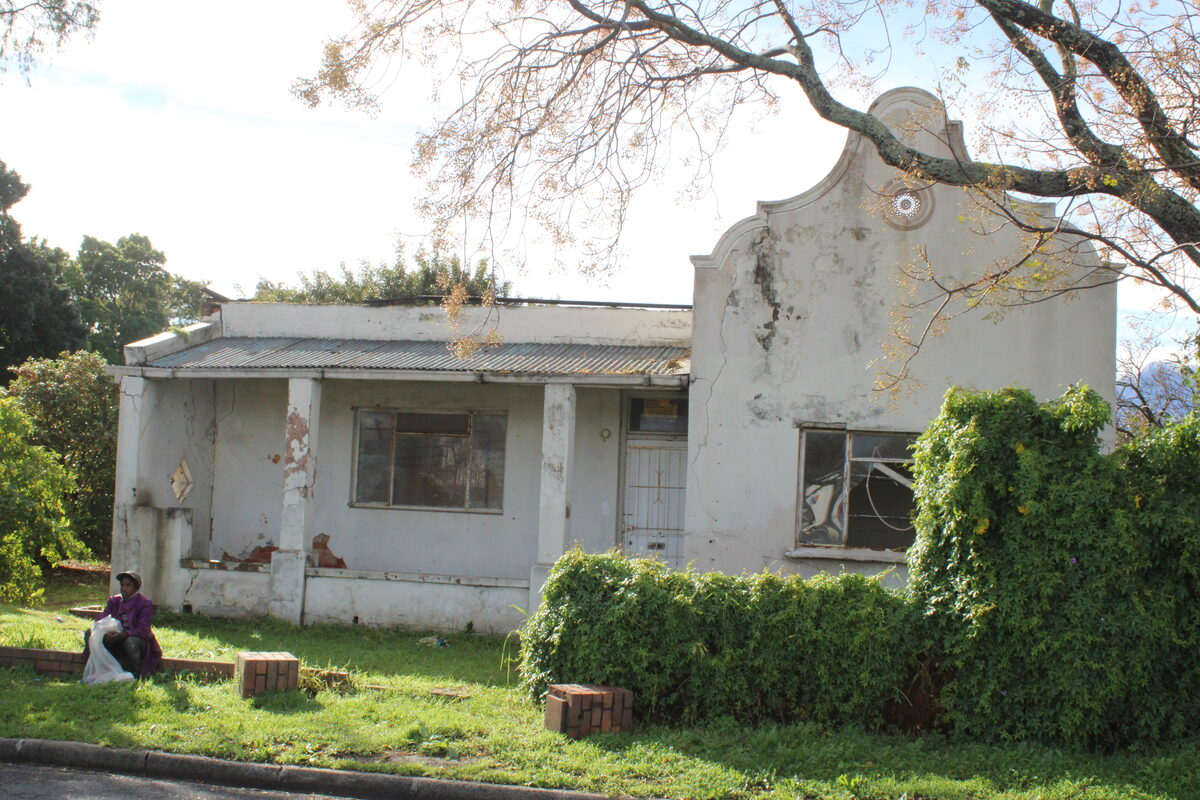
The municipal Recreation and Parks Department announced its intention to implement immediate law enforcement interventions at the heritage building at 24 New Street in Somerset West.
This as the City of Cape Town confirmed it is pushing ahead with plans to flatten the controversial structure.
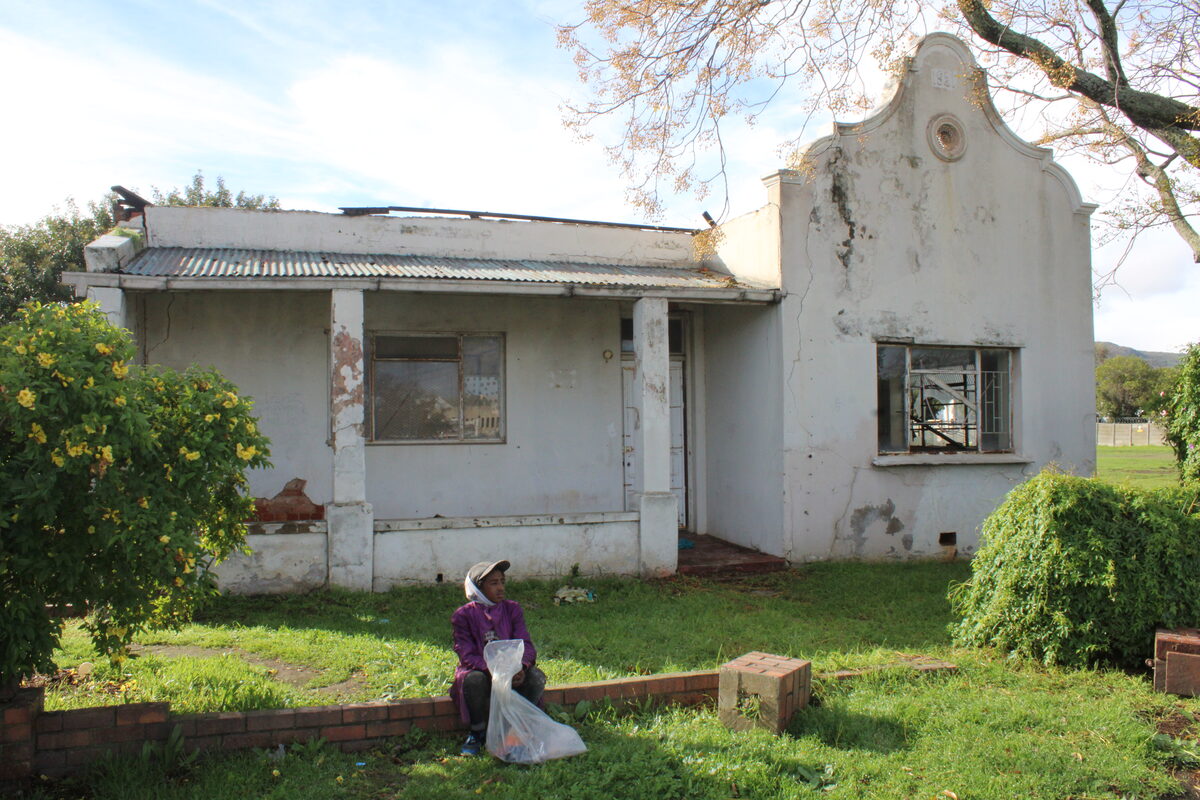
The move follows DistrictMail & Helderberg Gazette’s report, revealing that the abandoned 60-year-old municipal asset had degenerated into a hotbed for vagrancy, public indecency and vandalism after appointed security guards allegedly vanished from the property (“Heritage house now eyesore,” 1 July).
Responding to concerns of neighboring homeowners, the Recreation and Parks Department confirmed it is coordinating with multiple municipal branches to reclaim control of the perimeter.
To address the immediate security vacuum, the department has initiated a multi-layered response.
This includes the municipal Law Enforcement officially requested to conduct regular, targeted patrols around the property in a bid to deter anti-social behaviour.
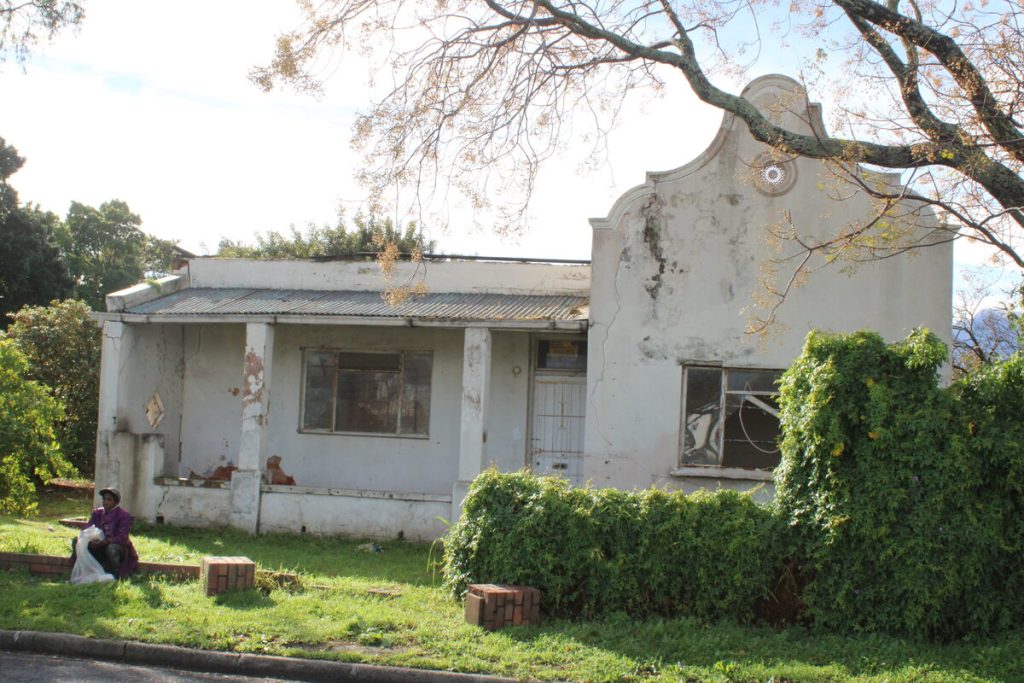
Additionally, “No Unauthorised Entry” signs have been fast-tracked through procurement and were installed on the property last Thursday (2 July).
The City also revealed it is currently in the middle of a supply chain process to procure a dedicated, round-the-clock private security service to permanently monitor the property.
“The City is aware of the concerns raised by residents regarding unlawful access and anti-social behaviour at the property,” the Recreation and Parks Department stated. “We are working with [other] services to secure the site and reduce unlawful activity.”
While local civic groups, including the Helderberg Renaissance Foundation (HRF), have spent the last two years advocating for the “adaptive reuse” of the site – proposing a cycling academy and community workshops – the City’s latest update signals an entirely different direction.
Despite Heritage Western Cape (HWC) fiercely blocking the City’s initial 2024 permit to demolish the building, the Recreation and Parks Department revealed it has not abandoned its original plans to flatten the existing structures.
Instead, the department confirmed that a recent, secondary application to demolish the historic house has been submitted to HWC.
While the heritage authority once again refused to support the destruction of the site “at this stage,” municipal officials are currently drafting a reinforced motivation to push the application through.
Any demolition permit application for the site automatically triggers a strict heritage statement requirement, a mandate established by HWC in January 2024 – more than two years ago.
To succeed now, the municipality’s application will presumably require a fresh motivation supported by an updated condition report, alongside an explanation regarding their investigations into alternative uses and the cause for the two-year delay in deciding to pursue total demolition.
Ultimately, HWC will decide if the demolition permit is justified and should be given the green light.
A heritage professional noted that the case has raised broader, systemic questions regarding “demolition by neglect”.
If HWC considers this a clear-cut case of preventable deterioration, the authority will need to indicate how such outcomes can be avoided in the future, and whether corrective action is necessary.
This decision carries immense weight as the City and various government public works departments currently own tens of thousands of buildings over 60 years old.
Industry observers warn that these public assets must not be permitted to become “problem buildings” – whether by intent, bureaucracy, or a lack of resources – that are ultimately cleared away by bulldozers.



You must be logged in to post a comment.