The Department of Forestry, Fisheries and the Environment has extended interim sardine catch limits through to 30 November, following a virus outbreak that killed sardines along the Western Cape coast in recent months.
The department approved recommendations from the Small Pelagic Scientific Working Group on 5 November , setting catch limits at approximately 2 800 tonnes west of Cape Agulhas and 2 700 tonnes east of the landmark. No directed sardine fishing took place between 31 October, when previous measures expired, and the new limits taking effect.
The limits can increase by 80% in each area if catches exceed half the initial quota by November 15. This means if fishermen catch more than 1 400 tonnes west of Cape Agulhas or 1 350 tonnes east by that date, the limit in that area will rise.
Virus detected before first deaths
Testing continues on sardine samples collected before, during and after the mortality event. The department detected genetic material from Pilchard Herpes Virus (PHV) in two samples from apparently healthy sardines collected during a recruit survey around Cape Agulhas on July 22 and 29.
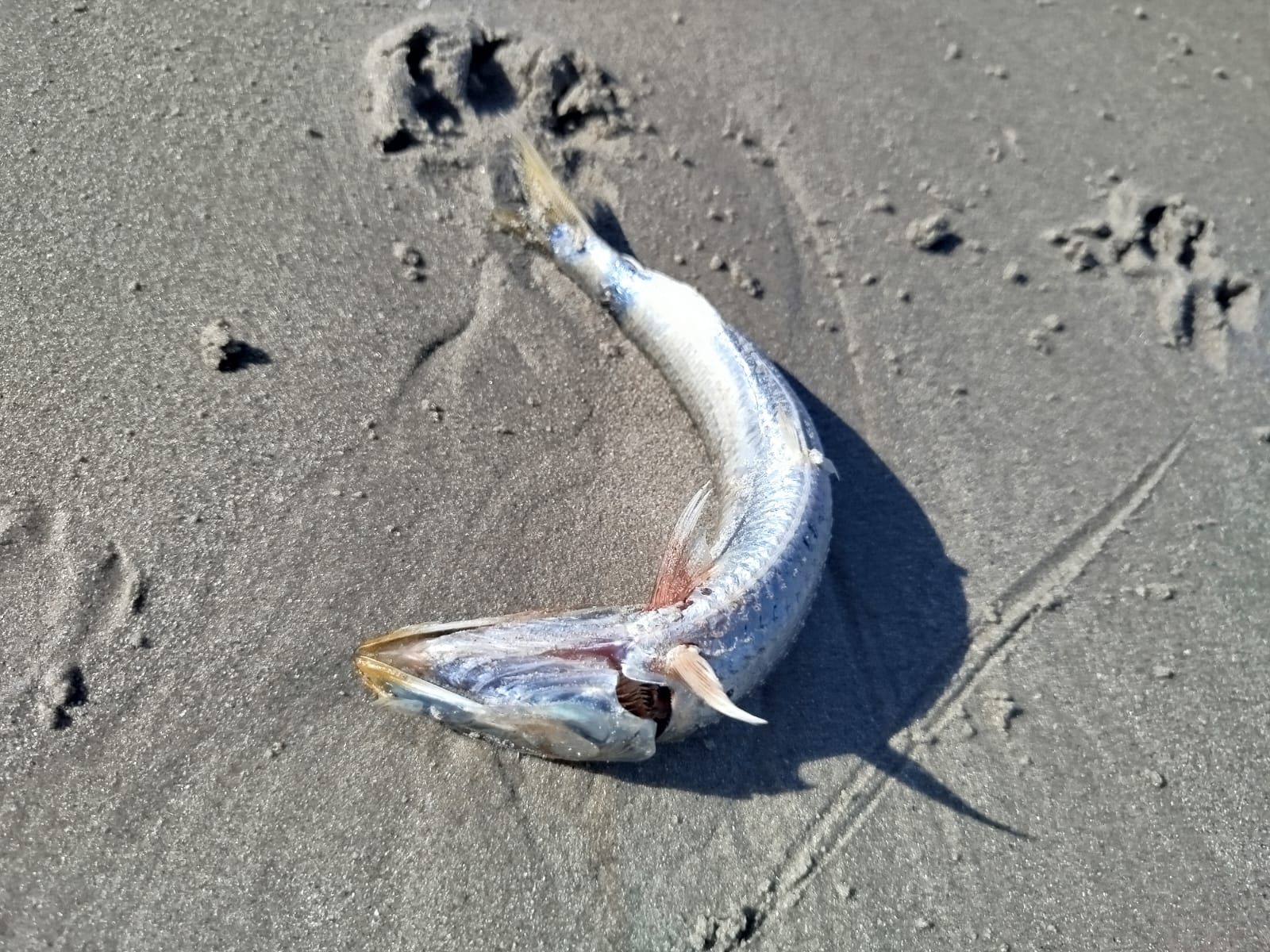
The first dead fish were reported off Saldanha Bay on July 28, indicating the virus had spread around Cape Agulhas before the first reported mortalities farther west. PHV was also detected in samples from a small sardine wash-up at Mossel Bay on October 23. No further dead sardines have been reported since.
Uncertainty drives cautious approach
The working group said model projections showed only a modest biomass difference between a complete moratorium and catching the remaining 2026 Total Allowable Catch. The stepped limit reflects uncertainty about the scale of the mortality event and poor fishing in September and October, which did not provide enough information to assess sardine availability.
The group will review the limits before they expire on 30 November, or earlier if necessary. Preparations for a fisheries-independent biomass survey are continuing.
No impact on predators
The department said it has not received reports or observations indicating an impact on sardine-dependent predators.
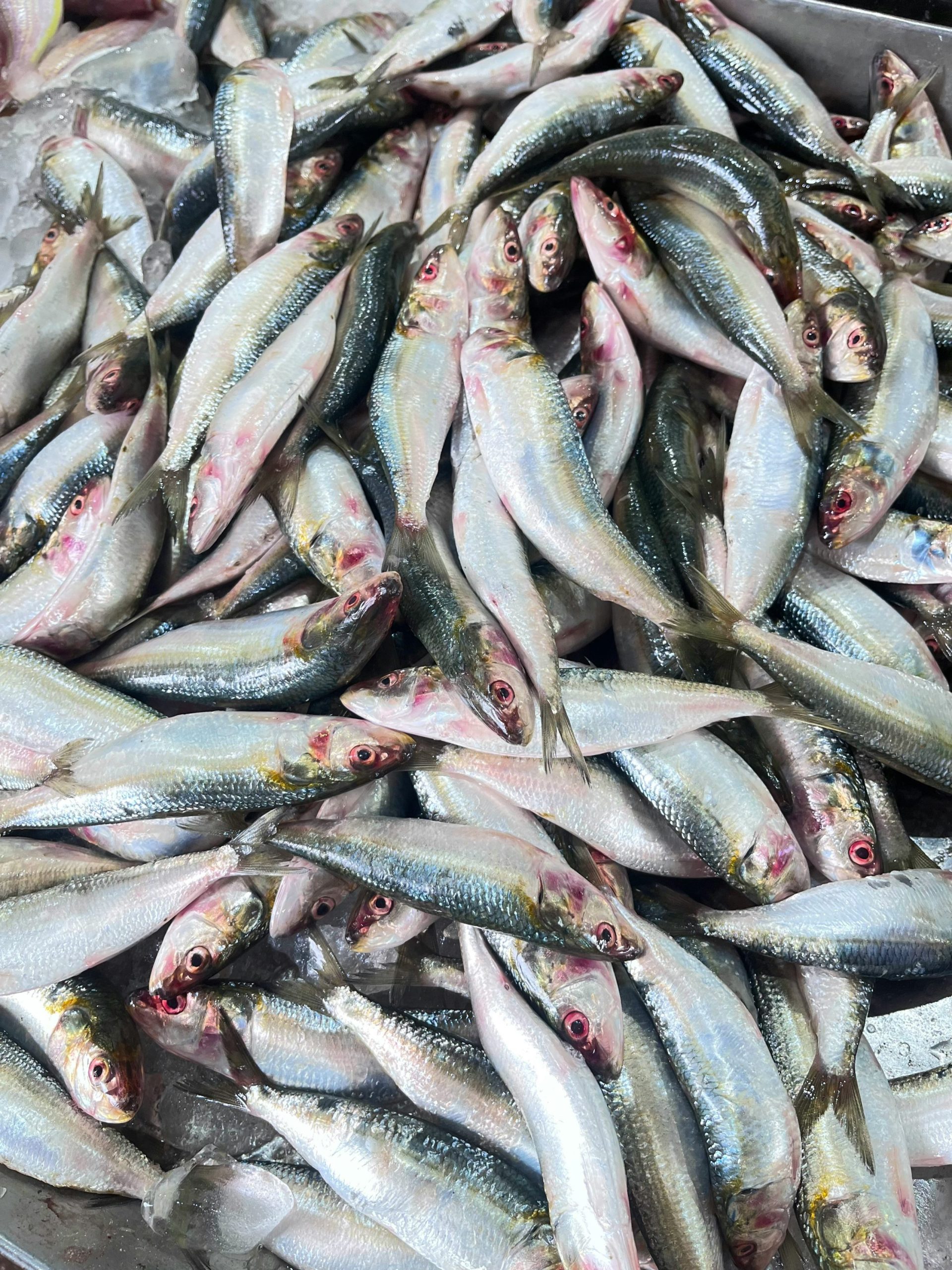
PHV is a fish virus and does not infect people. Commercial sardine products released through regulated channels remain safe. The department warned members of the public not to collect or consume dead or dying sardines found on beaches or near the shore, feed them to animals, or use them as bait.
Any unusual fish mortality should be reported promptly to the relevant coastal authority or the Department of Forestry, Fisheries and the Environment.
ALSO READ: No new reports of dead sardines as laboratory testing resumes, says DFFE