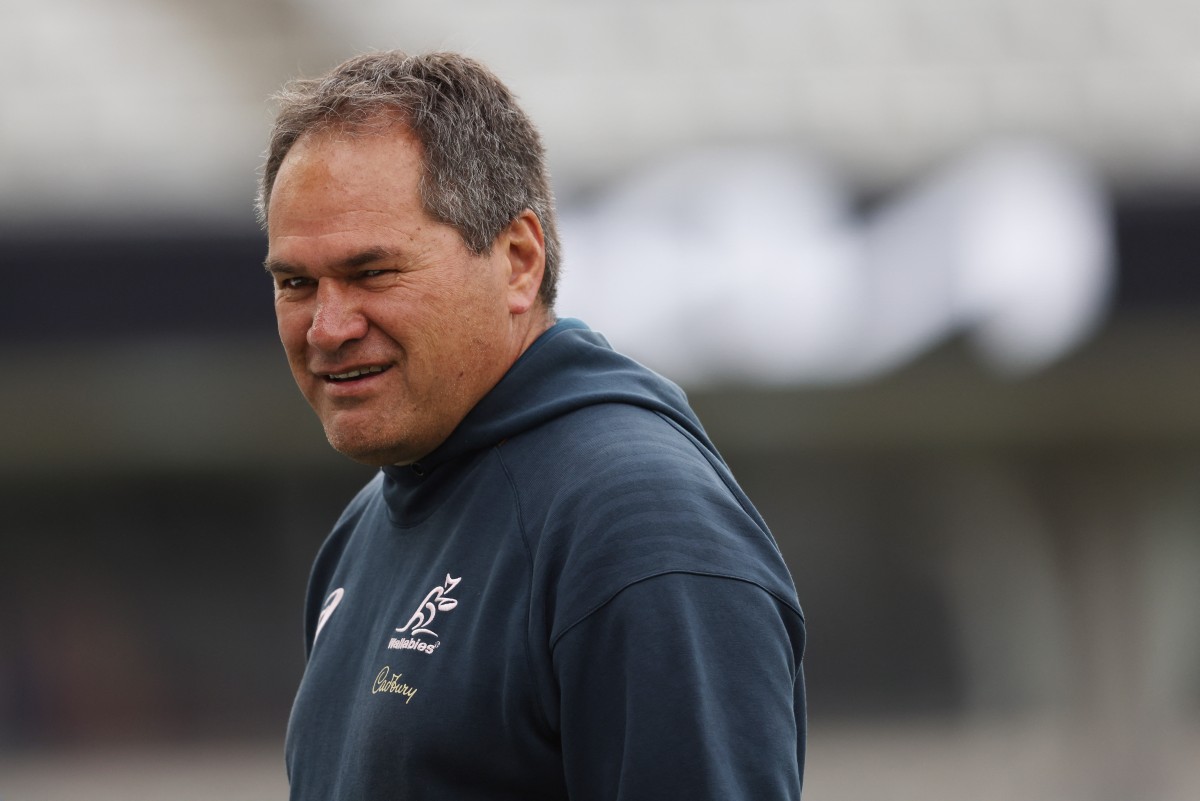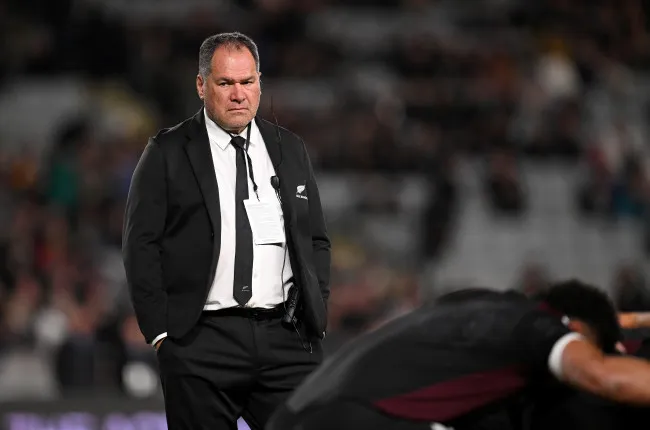
Dave Rennie has lobbed a verbal grenade in South Africa’s direction. The All Blacks head coach, fresh off a 54-0 demolition of the Sharks in Durban, has taken a thinly veiled swipe at the Springboks and South African rugby’s approach to game management , and he’s not mincing his words about what he perceives as systematic time-wasting.
Also read: All Blacks crush Sharks as Nonu delivers emotional Haka response
In the build-up to Tuesday night’s Greatest Rivalry Tour thrashing at Kings Park, Rennie made it clear his side would be pressing match officials to crack down on stalling tactics and speed up the game. Now, with two victories secured on South African soil, the Australian mentor has doubled down on his criticism, targeting lineout delays and tactical gamesmanship that he believes is plaguing international rugby.
Welcome to the mind games portion of the tour.
The time wasting accusation
Rennie didn’t name names, he didn’t need to. When you’re touring South Africa and complaining about time-wasting, everyone knows exactly which team you’re referencing. The Springboks have long faced accusations, particularly on social media, of slowing the game down to suit their forward-dominated, set-piece orientated game plan.
And Rennie has had enough of it.
“That’s the question that we’ll be asking. We’ll give some feedback to the officials later today, in preparation for the Sharks as well,” Rennie said before the Durban clash.
Also read: Ma’a Nonu on the emotion behind THAT unforgettable haka
The All Blacks boss highlighted that teams are making tactical use of delays, with lineout setups becoming drawn-out affairs that suck precious minutes out of matches.
Lineouts and tactical stoppages in the crosshairs
Rennie’s primary grievance centres on the modern trend of lineout delays, where teams engage in lengthy on-field conferences before executing their set-piece. What was once a rapid restart has morphed into strategic time consumption, and the All Blacks mentor believes referees need to clamp down hard.
“If they can decide to put players on the floor, the length of our stoppage, then I think the officials will understand that it’s tactical and let us play,” Rennie said.
“And also, it’s a real trend in world rugby at the moment, every time there’s a lineout, sides are on the ball, and there’s a big meeting, it takes ages to actually get the game going. So, historically, that’s been refereed and pressured, so we’d like to see that.”
For a New Zealand outfit that thrives on quick ball, lightning transitions, and relentless pace, it’s tactical kryptonite.
Springboks in the firing line
Whilst Rennie stopped short of explicitly naming the Springboks, the context makes his target obvious. South African rugby has built its recent World Cup success on forward dominance, brutal set-piece work, and controlling the tempo through intelligent game management. Critics call it time-wasting. Proponents call it smart rugby.
The perception exists, particularly overseas and across social media platforms, that the Springboks slow the game down deliberately. Whether it’s injury breaks, lengthy lineout setups, or tactical substitutions, the accusation is that South Africa manipulates the clock to suffocate opposition momentum.
Rennie’s comments tap into that narrative. With the All Blacks currently on South African soil, his timing feels deliberate, a shot across the bow to both match officials and their hosts.
Mind games or genuine concern?
Is this legitimate frustration with the state of modern rugby, or is Rennie engaging in some good old-fashioned psychological warfare? Perhaps both. The All Blacks have dominated their two matches on the Greatest Rivalry Tour, dispatching the Stormers and annihilating the Sharks without conceding a point in Durban.
But when they face the Springboks in future encounters, these comments will be remembered. Rennie is setting the narrative early, putting pressure on officials to police the pace of play and denying South Africa one of their tactical weapons.
The Springboks won’t be losing sleep over it. They’ve heard the criticism before, won two World Cups despite it, and will continue playing rugby their way regardless of what opposition coaches think.
But Rennie has fired his shot. The battle lines are drawn.