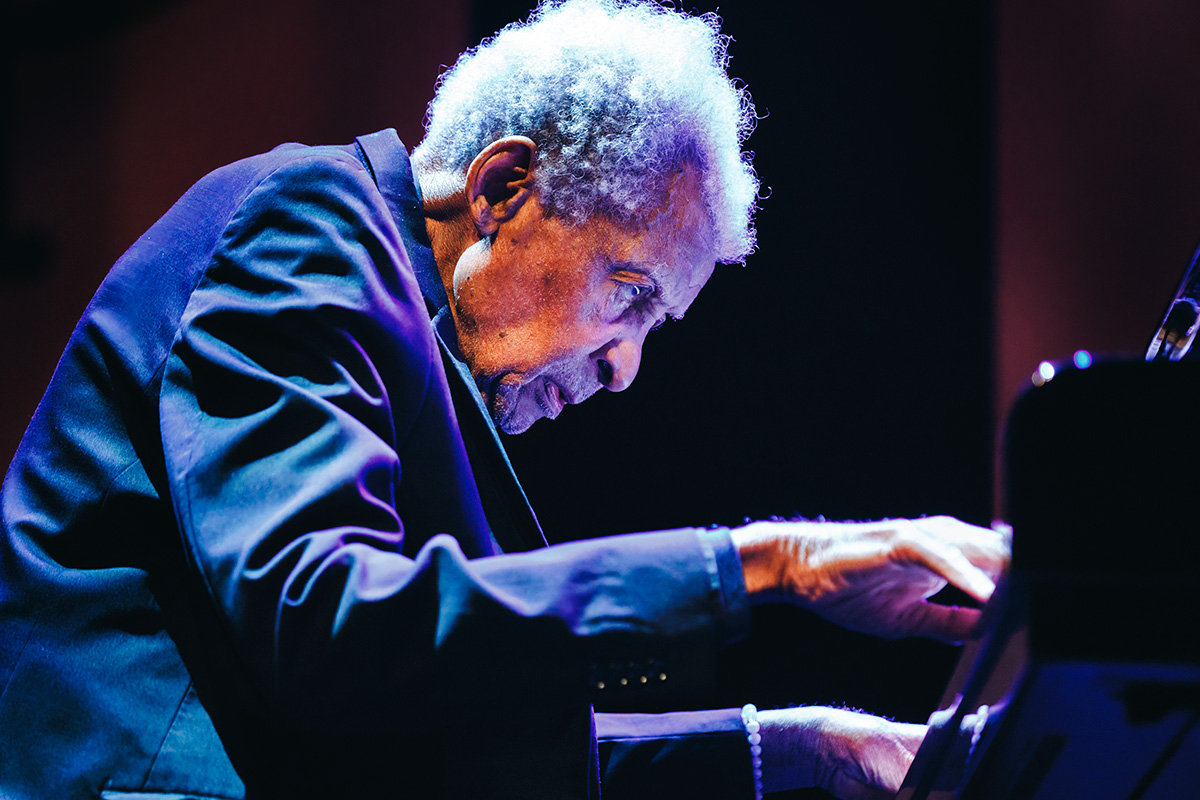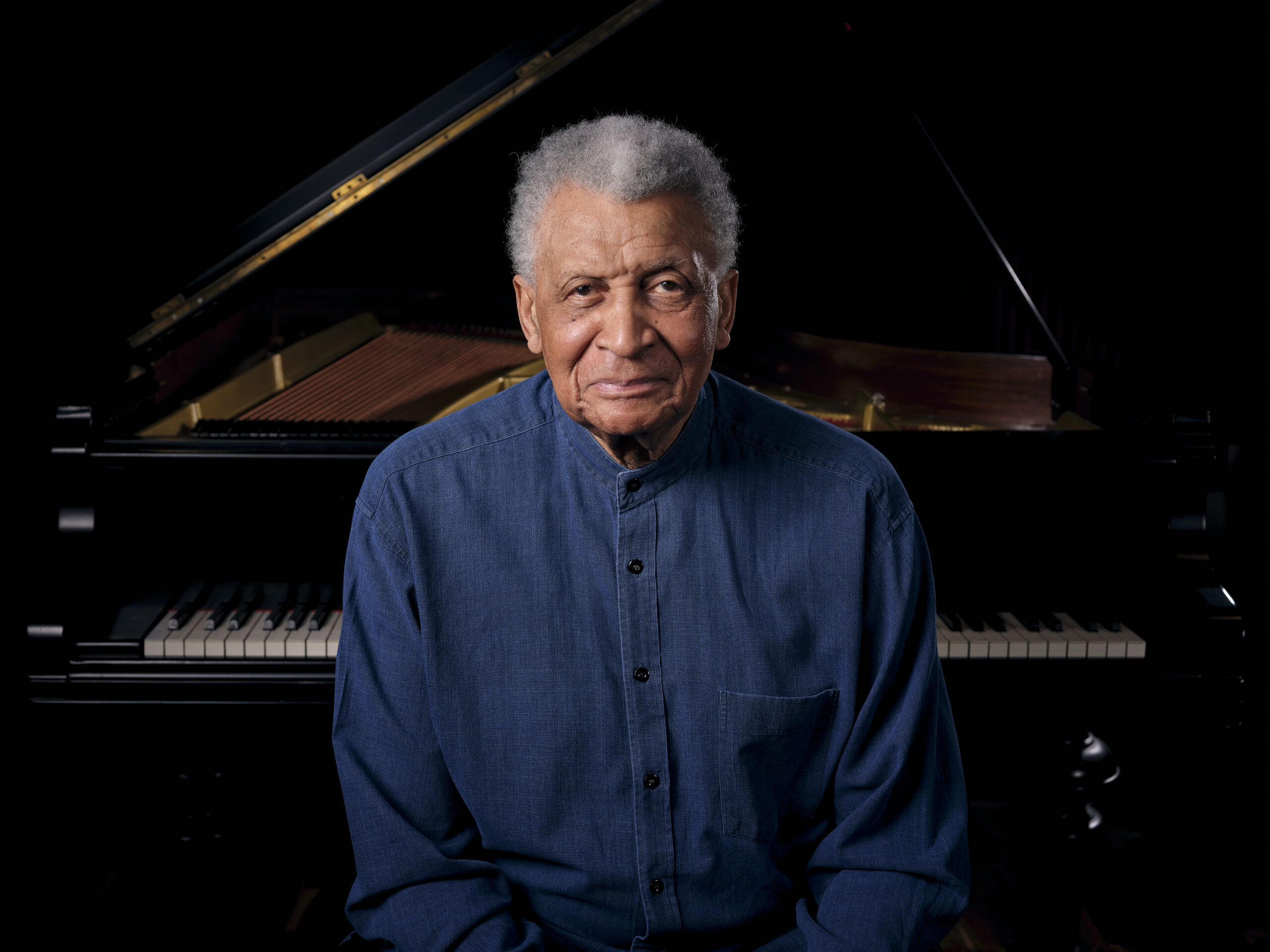
Abdullah Ibrahim, the globally celebrated jazz pianist, composer and anti-apartheid activist, has died at the age of 91, leaving behind a musical legacy that spanned nine decades and transformed the landscape of South African and international jazz.
The cultural icon’s final public performance took place on the Rosies Stage at the Cape Town International Jazz Festival on Friday, 27 March 2026, in what has been described as a historic homecoming moment for the Cape Town-born musician.
Born Adolph Johannes Brand on 9 October 1934 in Kensington, Cape Town, Ibrahim learned piano from the age of seven under the guidance of his grandmother, Margaret, who founded a local branch of the African Methodist Episcopalian church. Growing up on the fringe of District Six, he was shaped by a heterogeneous mix of religions and music that would later define his distinctive sound.
At 15, Ibrahim began performing as a vocalist before transitioning to piano with big bands including the Tuxedo Slickers and the Willie Max Orchestra. When he was refused entry to the University of Cape Town’s College of Music because of his race, he pursued independent study, reading extensively at the local public library and acquiring the latest jazz records from visiting American soldiers at Cape Town’s dockside during World War II. This earned him the nickname Dollar Brand amongst his friends.
In the late 1950s, Ibrahim formed the Dollar Brand Trio and, in 1959, co-founded The Jazz Epistles alongside Hugh Masekela, Kippie Moeketsi, Jonas Gwangwa, Johnny Gertze and Makaya Ntshoko. Their 1960 recording, Jazz Epistle Verse 1, became the first jazz album by South African musicians, achieving popularity with both black and white audiences. That same year, he began a lifelong partnership with South African vocalist and composer Sathima Bea Benjamin, whom he married in 1965. She died in 2013, having received the Order of Ikhamanga in 2004.
Following the 1960 Sharpeville Massacre and intensifying apartheid repression, Ibrahim went into exile in 1962. Working initially as a club pianist in Zurich, his international career was launched when Duke Ellington recorded him in Paris in 1964. He subsequently moved to New York in 1965, where he studied cello at the Juilliard School of Music.
In 1968, Dollar Brand converted to Islam, taking the name Abdullah Ibrahim. This spiritual transformation deepened the contemplative quality of his compositions, which increasingly evoked Islamic Africa alongside his African musical roots.
Ibrahim’s music during the 1970s and 1980s became synonymous with messages of liberation and homecoming. His 1974 album Mannenberg – Is Where It’s Happening became an anthem of defiance against forced removals, whilst Water from an Ancient Well (1986) became a centrepiece of his homecoming concerts. His composition “Mannenberg”, along with works such as “Soweto”, “The Wedding”, “The Mountain” and “African Marketplace”, achieved the status of South African classics.
Following Nelson Mandela’s release, Ibrahim returned home in 1990 and performed at the presidential inauguration in 1994. He maintained an active international career, touring extensively across Europe, North America, Asia and Africa, both as a solo artist and with his ensemble, Ekaya.
His prolific output exceeded 300 album titles, including later works The Balance (2019), Dream Time (2019) and Solotude (2020). He also composed film music for several productions, including the award-winning Chocolat.
Ibrahim’s accolades include South Africa’s Order of Ikhamanga in Silver (2009), the German Jazz Trophy (2017), and recognition as a National Endowment for the Arts Jazz Master in the United States (2019). He received honorary doctorates from the University of the Witwatersrand (2009) and the University of Pretoria (2021), and Japan’s Order of the Rising Sun for his cultural achievements.
President Cyril Ramaphosa expressed profound sadness at Ibrahim’s passing, noting his organisation of an illegal benefit concert following the 1976 Youth Uprising. “Today our nation mourns the passing of an international icon and global citizen whose profound creations honoured the South Africa that shaped his political commitment and musical brilliance,” Ramaphosa said.
Cape Town International Jazz Festival chairman Rayhaan Survé said Ibrahim was “one of South Africa’s greatest musicians; he was one of our nation’s most profound storytellers.”
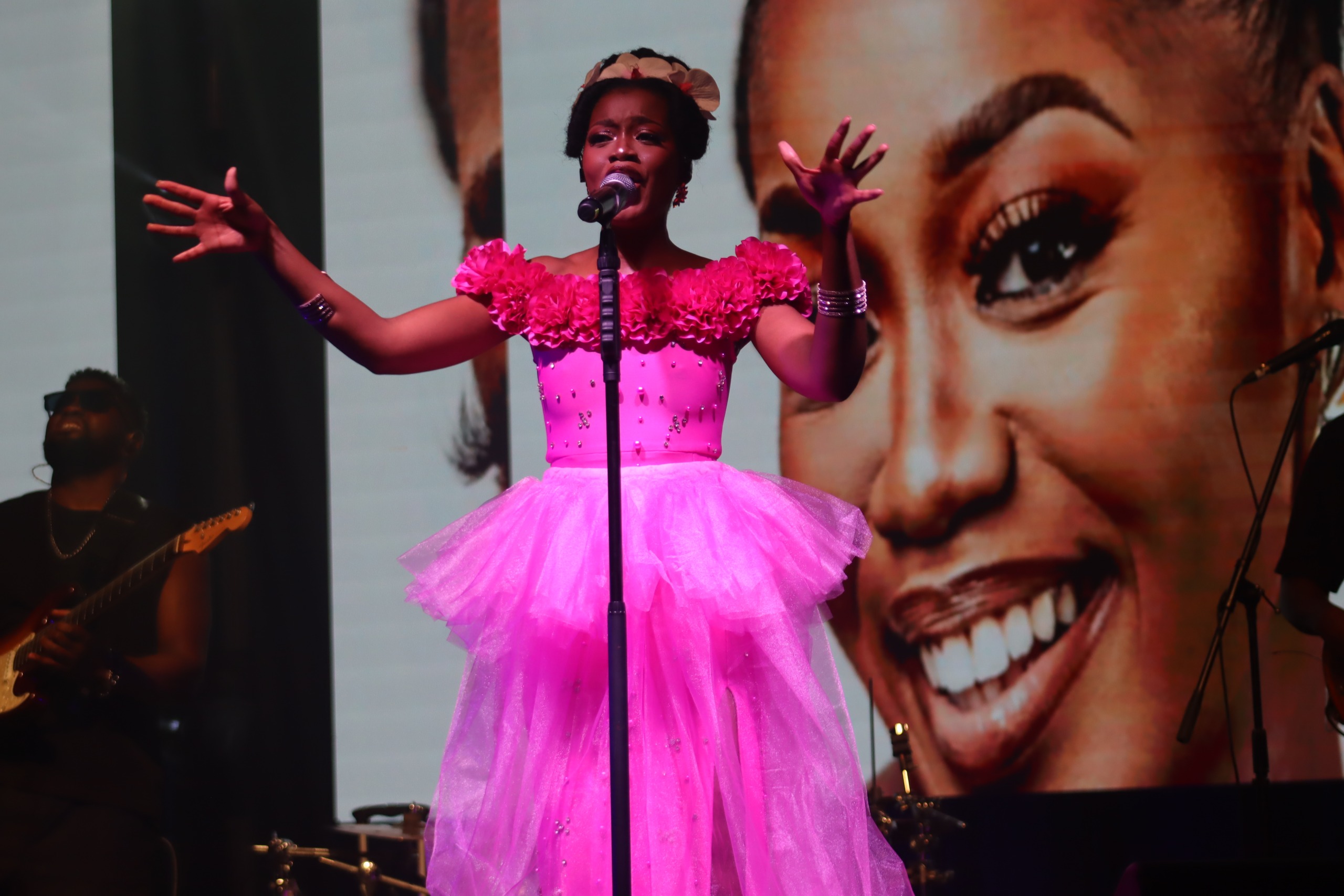
Ibrahim is survived by his partner Dr Marina Umari, and his children, pianist Tsakwe and hip-hop artist Jean Grae.