

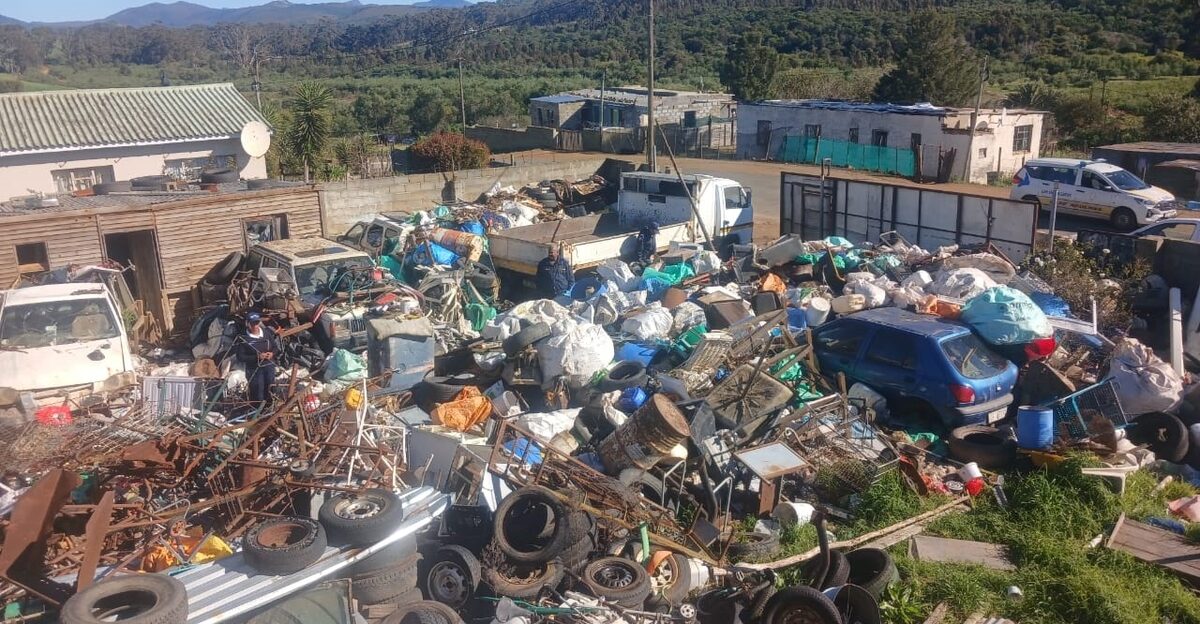
South Africa is taking its most aggressive step yet to dismantle the multi-billion-rand illicit metal trade by outlawing cash-in-hand transactions for scrap metal.
The drastic intervention, spearheaded by draft amendments to the Second-Hand Goods Act, aims to choke off the untraceable financial incentives that fuel widespread cable theft, blackouts, and infrastructure destruction across the nation.
The move comes amidst growing pressure from local municipalities and civil society to reclassify metal theft from petty property crime to economic sabotage and national security offences.
Local blackouts: The Overstrand crisis
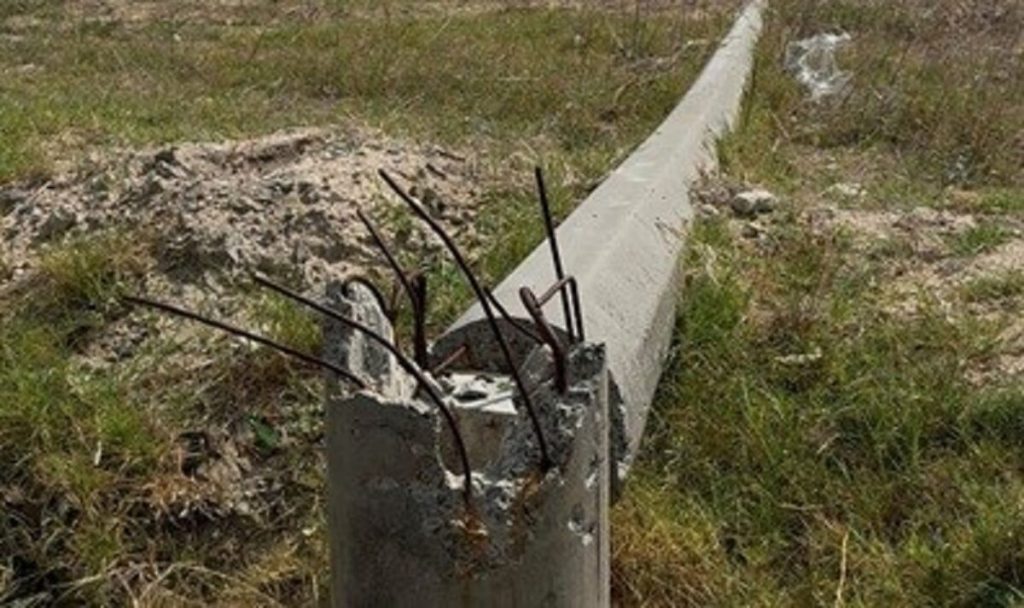
The real-world human and economic cost of cable theft was laid bare this week when a major theft and vandalism incident plunged wide areas of the Overstrand Municipality into darkness.
The severe network damage left businesses, households, and critical municipal infrastructure without electricity for two consecutive days.
Local municipal officials reported that cable theft has reached an alarming weekly frequency in coastal regions like Hermanus, Hawston, and Fisherhaven, driving repair costs into the millions and putting essential services at risk.
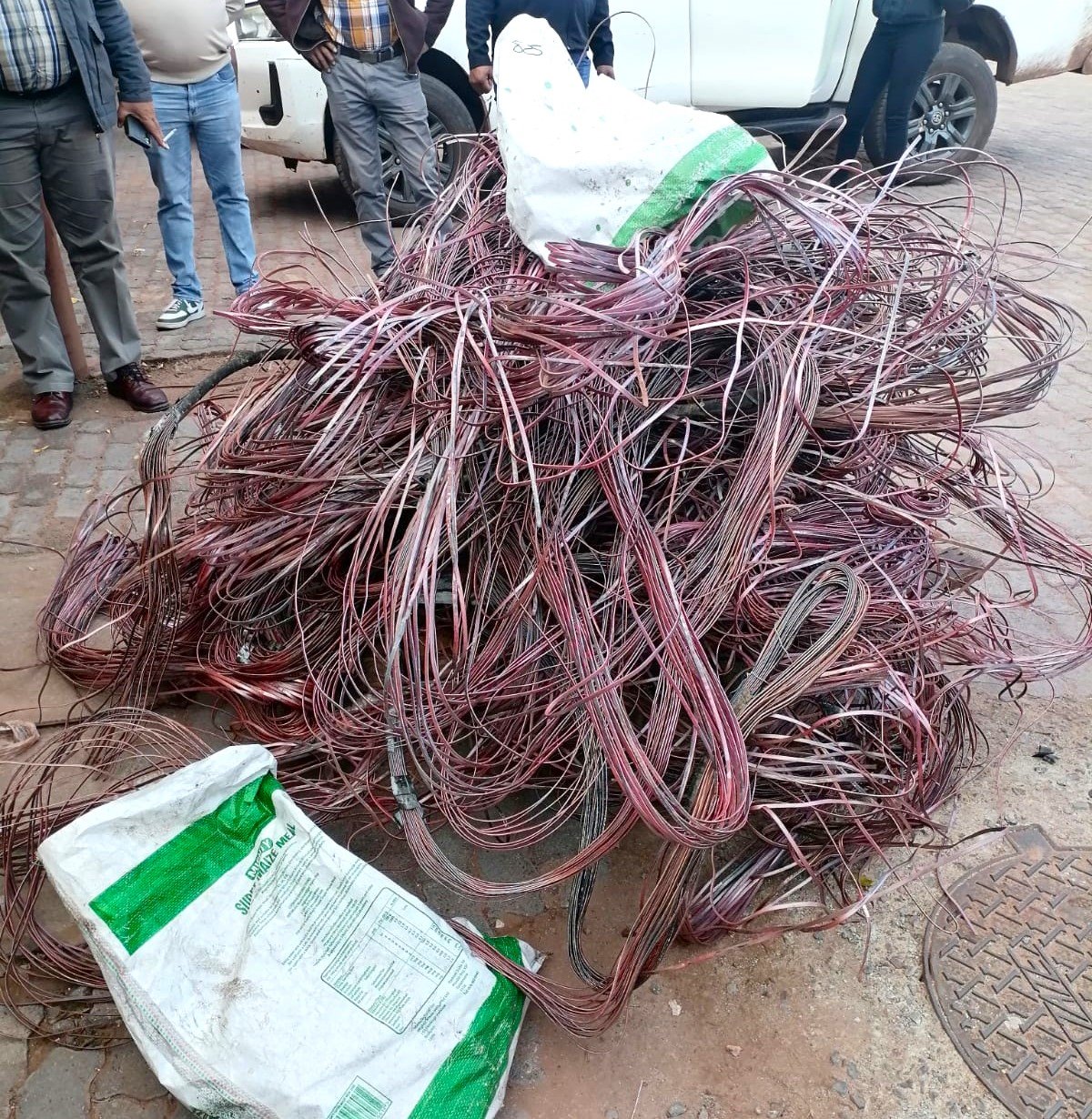
Power utility Eskom suffers between R5 billion and R7 billion annually in copper theft losses, alongside an additional R2 billion spent each year merely replacing vandalized cables. Transnet has faced similar destruction, with copper cable stolen from its freight lines surging from 120 km in 2017 to over 724 km annually.
ALSO READ: Eskom celebrates 500 days without load shedding while communities battle ongoing outages
Key changes under the draft legislation
The proposed amendments, released by the Civilian Secretariat for the South African Police Service, introduce sweeping restrictions designed to expose every link in the scrap metal supply chain.
This includes mandatory cashless transactions. Scrap dealers and recyclers are strictly prohibited from paying sellers in physical cash. All payments for controlled metals must be conducted via traceable electronic bank transfers (EFTs).
Also, recyclers purchasing metal from waste pickers must maintain an official register recording the seller’s full legal name and verified identification document number. Foreign nationals who do not possess verified, legal permanent residency status will be automatically disqualified from holding a second-hand goods trading licence.
Controls will now extend beyond copper to include gold and chrome, directly targeting the illicit supply chains linked to illegal mining (“zama zamas”).
From theft to economic sabotage
Beyond choking off the cash flow, there is a rapidly expanding push across parliament and municipal leadership to treat infrastructure thieves as saboteurs rather than simple thieves.
Calls are mounting to routinely charge perpetrators under the Criminal Matters Amendment Act and national security legislation, carrying mandatory minimum sentences of 15 to 25 years. Prosecutors are being urged to treat attacks on power grids, railway lines, and water pumping stations as deliberate acts of sabotage against the state.
A human rights crisis
A landmark policy brief published by the South African Human Rights Commission (SAHRC) underscored that cable theft has transcended economic loss to become a full-blown human rights crisis. Total damages to the South African economy are now estimated at R45 billion per year.
The commission stressed that law enforcement cannot focus solely on street-level thieves cutting cables in trenches; it must systematically dismantle the high-level syndicates, compromised scrap yards, and international illicit financial flows that profit from the destruction.
Cabinet has approved the draft bill for public review, and the Civilian Secretariat for Police Service is inviting formal comments from citizens, business owners, and industry stakeholders until 2 November 2026.
ALSO READ: Cable theft plagues Overberg: Botrivier residents in the dark for over a month




You must be logged in to post a comment.