Eskom’s milestone of 500 consecutive days without load shedding masks a different reality for thousands of South Africans still grappling with frequent power cuts.
While the power utility announced on Friday that South Africa reached 504 consecutive days without load shedding since 16 May 2025, multiple communities continue to experience prolonged electricity disruptions because of ageing infrastructure, cable theft and inadequate maintenance.
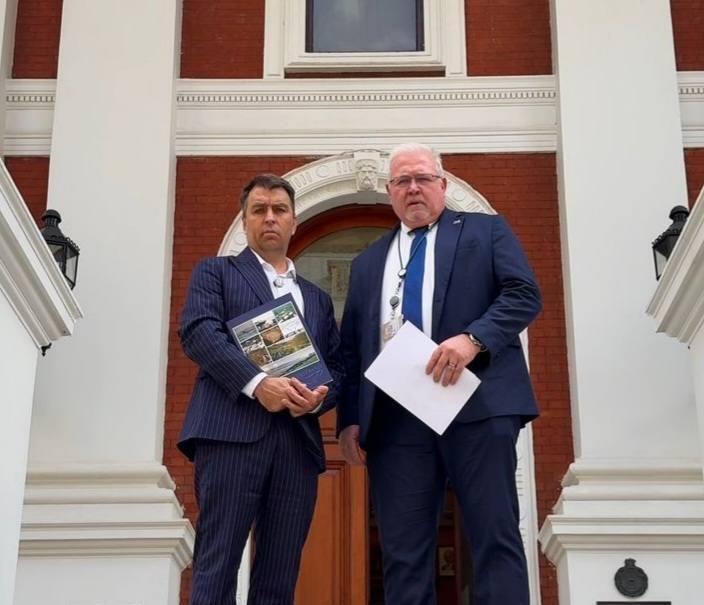
One such an example is the Overstrand Municipality in the Western Cape which has escalated its frustrations to the National Energy Regulator of South Africa (Nersa), lodging a formal complaint about persistent outages in Eskom-supplied areas including Onrus, Vermont, Hawston, Fisherhaven, Betty’s Bay, Pringle Bay and Rooiels.
More than 100 days in the dark
The municipality’s submission to Nersa documented more than 150 outages over three years in wards supplied directly by Eskom, adding up to more than 100 cumulative days without power for affected communities.
Overstrand has asked the regulator to investigate four key concerns: ageing Eskom infrastructure, inadequate maintenance, excessive fault-response times and delays in restoring supply after outages.
The municipality says the affected networks fall under Eskom’s direct responsibility, meaning it does not operate, maintain or repair the infrastructure serving these areas.
Storm damage exposes infrastructure weaknesses
The most recent spate of outages followed severe storms in May that knocked out power across the Overstrand region. By 25 May, the Hangklip area had entered its 15th day without electricity, with renewed outages in Pringle Bay, Betty’s Bay and Rooiels.
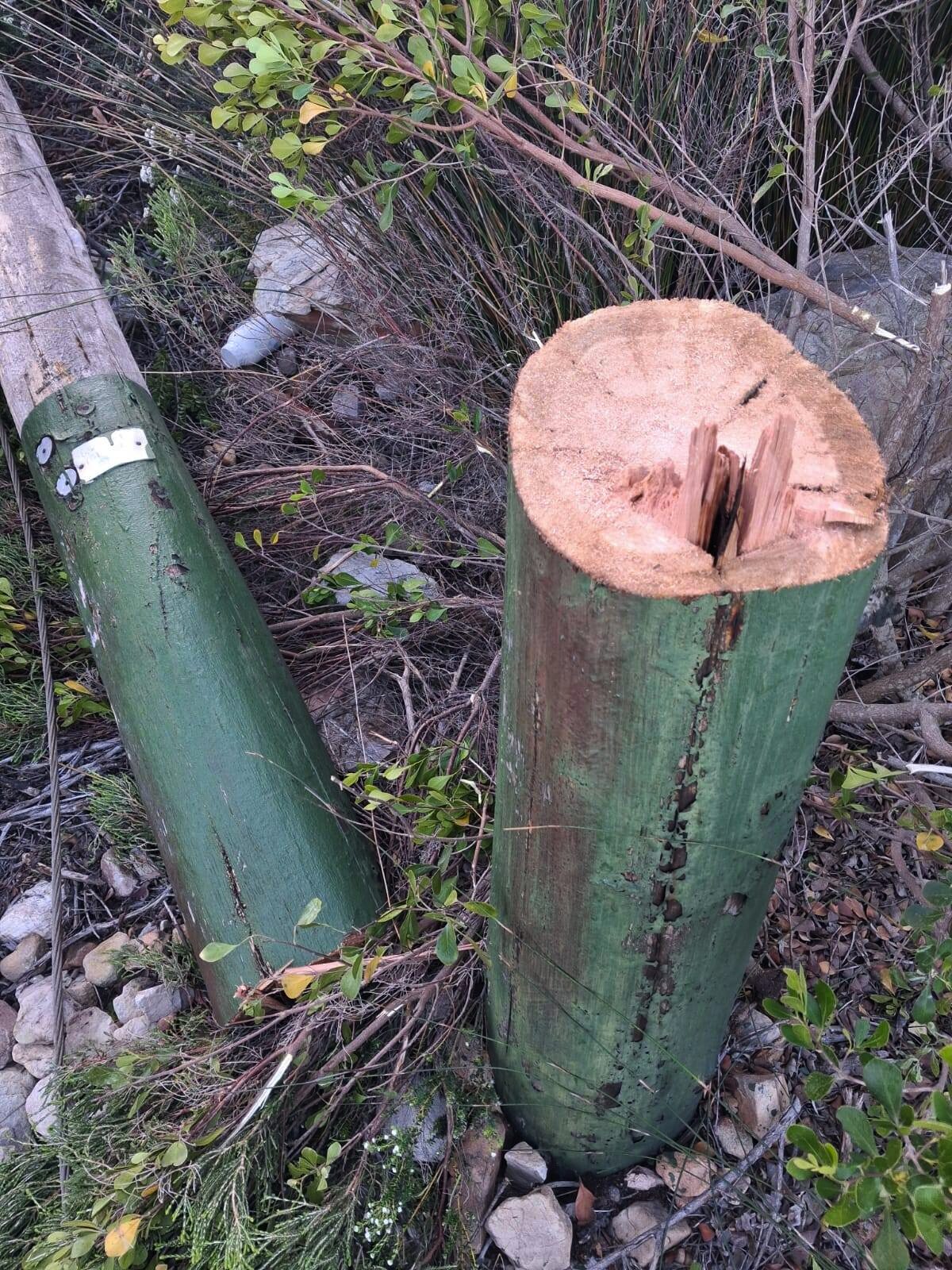
Eskom reported on 20 May that 24 major feeder poles on the Stanford-Gansbaai side had fallen and needed to be replanted and restrung. The utility cited a shortage of authorised contractors, leaving some areas with no estimated restoration time.
Cable theft and vandalism have further delayed repairs. On 23 June, copper conductors were stolen from Eskom infrastructure in Onrus, causing a prolonged outage affecting Bosplasie. The municipality recorded at least 16 cable-theft, vandalism and storm-damage incidents between 8 May and 15 June, with estimated material losses of about R1.43 million.
Load shedding versus infrastructure failure
Eskom’s claim of “500 days without load shedding” refers specifically to the absence of scheduled, system-wide rotational cuts used when national electricity supply cannot meet demand. The utility attributes this achievement to improved fleet performance, with the year-to-date Energy Availability Factor reaching 68.11%.
But this milestone does not account for local power failures caused by infrastructure breakdowns, maintenance or theft.
The utility still implements “load reduction” in high-risk areas of Gauteng and KwaZulu-Natal, where illegal connections and meter tampering overload transformers and damage networks. About 202 590 customers remain affected by load reduction, representing 2.8% of Eskom’s customer base.
Call for infrastructure audit
Western Cape Local Government MEC Anton Bredell has called for a full audit of Eskom infrastructure in Overstrand on 28 August after meeting with Hermanus residents. Issues raised included the ageing Hawston substation, theft, delays in new connections and Eskom billing based on estimated rather than actual meter readings.
More than 6 000 residents signed a petition demanding a comprehensive assessment of Eskom infrastructure, public release of findings, a time-bound maintenance and upgrade plan, proactive outage communication, a dedicated escalation channel and ministerial intervention.
While Eskom celebrated operational improvements including an 80.49% year-on-year reduction in diesel expenditure and approximately 2 943MW of generation capacity returned to service, communities such as those in Overstrand remain unconvinced that the power crisis is over.
The power utility says it will announce the system status and Summer Outlook in the coming weeks.