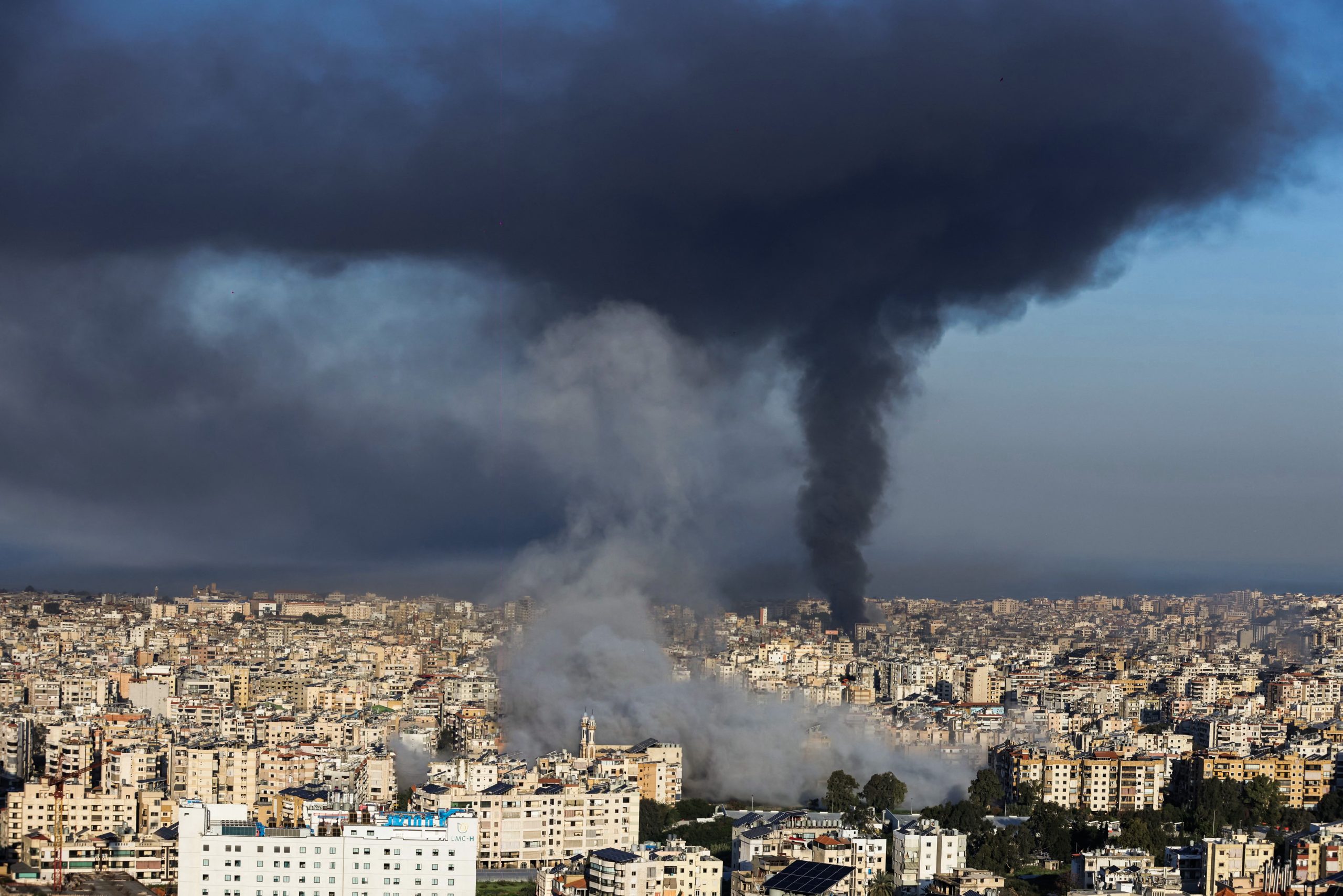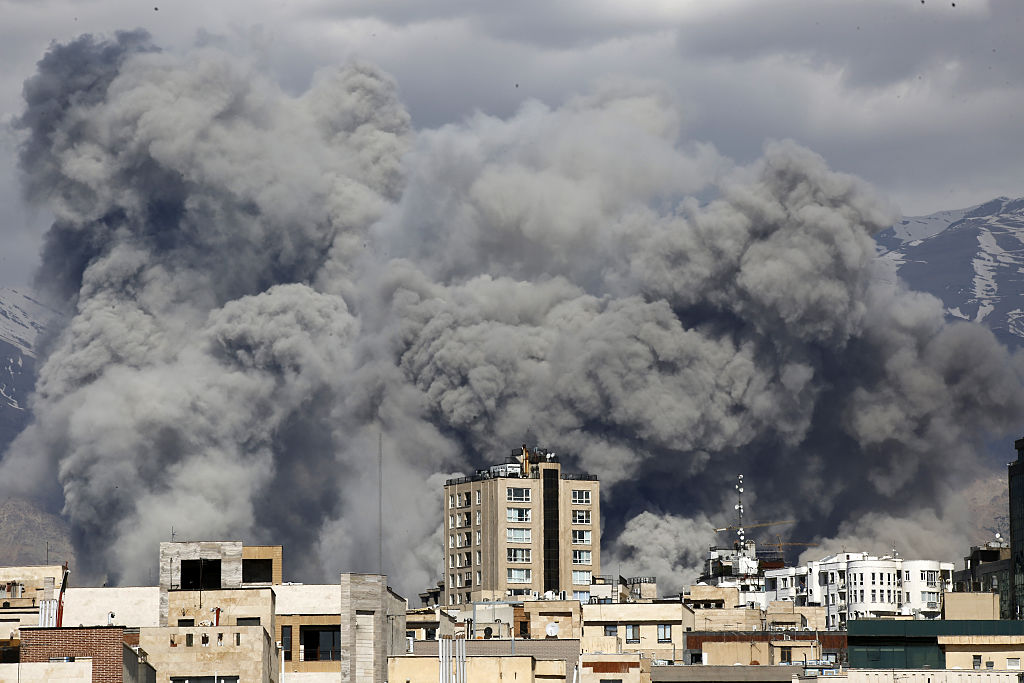
The war with Iran has reportedly cost the US military around $38 billion as of Saturday 1 August, the nonpartisan Congressional Budget Office (CBO) said on Tuesday 15 September, with billions more potentially added as the war intensifies.
“As of Saturday 1 August, the armed conflict with Iran has cost (the Department of Defense) approximately $38 billion,” said the CBO in a report, referring to the war that started after US-Israeli strikes targeting Iran from late February.
It added that depending on the intensity of violence, costs per month could range between $2-$3 billion or more if the conflict continued.
Oil supply disruption
The world’s worst oil supply disruption in history will take months and potentially years to recover from, even if the Strait of Hormuz reopens to tanker traffic, according to oilprice.com.
Two months after US and Israeli bombing of Iran on 28 February, the Strait of Hormuz remains closed for most tanker traffic, forcing more than 10 million barrels per day of crude output shut-ins across Middle Eastern oil producers, according to the report.
Before the war, vessels crossed the strait freely via a route through the centre of the waterway adopted by the International Maritime Organisation.
The disrupted energy flows have triggered a global race for alternative supply and sent energy prices soaring, with the prospect of slowing global economic growth and even a global recession if the world’s most critical oil chokepoint stays mostly inaccessible for another three months, according to oilprice.com.
The overall figures reflect the cost of replacing expended munitions and equipment lost in battle and increased fuel costs for the military, among other factors, the report said.
ALSO READ: Prolonged Strait of Hormuz closure to scar global oil markets for years
The price of replacing munitions used through August 1 was estimated at $21.7 billion, with CBO noting that such replacements have been the largest single component of costs incurred by the Defense Department in the conflict.
Estimated cost
The “main opportunity cost” for the department meanwhile has been the depletion of missile defense interceptors, leaving the United States with reduced inventory for several years.
Comparing the reported expenditures of missile defense interceptors with total numbers the department has bought suggests the United States “has probably used between one-half and two-thirds of its inventory of those munitions since June 2025,” the CBO warned.
The analysis was prepared following a request by Brendan Boyle, the top Democrat on the House Budget Committee, along with other Democratic lawmakers.
In July, Defense Secretary Pete Hegseth estimated the Iran war had cost $37.5 billion.
The CBO estimated that the main impact on the US economy from the Iran conflict has been inflationary pressure due to oil and natural gas disruptions.
Iran had retaliated in the war by blocking the Strait of Hormuz, a critical waterway for oil shipments, sending costs soaring.
The CBO now estimates that inflation in the first quarter next year would be 0.5 percentage points higher than what it projected in February — referring to the personal consumption expenditures price index.
“Core” inflation, stripping out the volatile food and energy segments, would also likely be 0.3 percentage points higher than earlier predicted.
The higher inflation will also boost interest rates on Treasury securities, the report said.
ALSO READ: Six months into Iran war, Hormuz traffic plummets as thousands of sailors remain stranded