
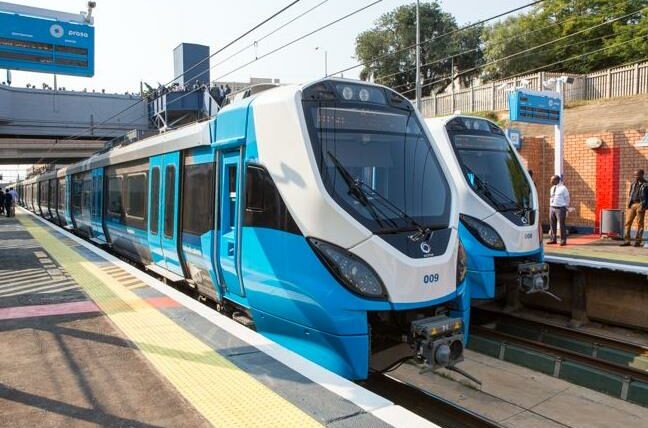
Cape Town is positioning itself to become South Africa’s first city to take control of passenger rail services, following the presentation of a detailed business plan that outlines how the metro could restore and expand its struggling train network.
Mayor Geordin Hill-Lewis announced that the Rail Business Plan was tabled to the Urban Mobility Portfolio Committee on 6 November, with the City Council set to vote on its adoption on 4 December. The plan provides a roadmap for reviving Cape Town’s passenger rail system to serve as the backbone of public transport in the metro.
“With this business plan, Cape Town is now front of the queue to be SA’s first city to take over local passenger rail, in line with the Constitution and National White Paper on Rail,” Hill-Lewis said.
The business plan examined nine different devolution scenarios and identified three viable options. All successful models involve transferring rail services, assets and infrastructure to the City while bringing in private sector operators to run services through contracts or comprehensive concessions.
The study ruled out scenarios where the state-owned Passenger Rail Agency of South Africa (Prasa) retains ownership of infrastructure, or where the City directly operates rail services instead of private companies.
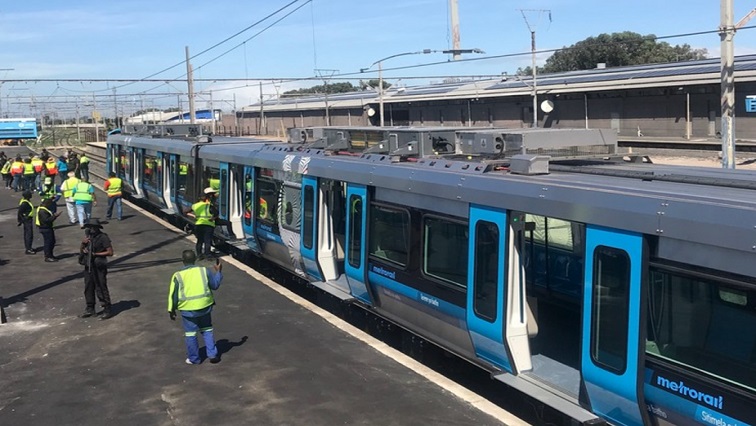
A key finding is that devolution is only possible with funding from the national government. The plan concludes there is no capacity within Cape Town’s rates base to cross-subsidise rail operations.
The City would need authority over fare-setting, access to long-term national grant funding, and the ability to generate local revenue through public-private partnerships and commercialisation.
“Capetonians urgently need an expanded, affordable, and reliable rail service that is integrated with other forms of transport via one ticketing system,” Hill-Lewis said. “Devolution is one of the critical first steps in this long-term vision to massively scale up passenger numbers, new train sets, new routes, upgrade stations, and develop surrounding precincts with affordable housing over the next two decades.”
The Mayor called on Transport Minister Barbara Creecy to deliver on promises to finalise the draft National Rail Bill and Masterplan before year-end, while ensuring proper consultation with local government as the key implementing partner.
ALSO READ: Western Cape launches ambitious rail freight revival to slash road congestion
Councillor Rob Quintas, who heads the City’s Urban Mobility portfolio, also stated that national government and Prasa must first restore the rail network to 2012 operational levels of 620,000 daily passenger trips before devolution can succeed.
“While national efforts to restore passenger rail operations are ongoing, this does not remove the need to advance devolution in line with national policy,” Quintas said. The City would then work to expand services, potentially including a new Blue Downs rail link.
The business plan represents the culmination of extensive research that began with a baseline analysis in October 2023 assessing the current state of Cape Town’s rail operations and infrastructure. This was followed by an institutional options report in October 2024 that evaluated viable network and governance models.
The plan was developed through in-depth research and stakeholder engagement to provide a credible foundation for negotiations with national government and long-term planning.
Cape Town’s rail system has collapsed dramatically over the past decade due to vandalism, theft, and poor maintenance, leaving thousands of commuters stranded and contributing to the city’s traffic congestion crisis.
ALSO READ: Minister launches Mobility Month to tackle traffic gridlock in Cape Town



You must be logged in to post a comment.