



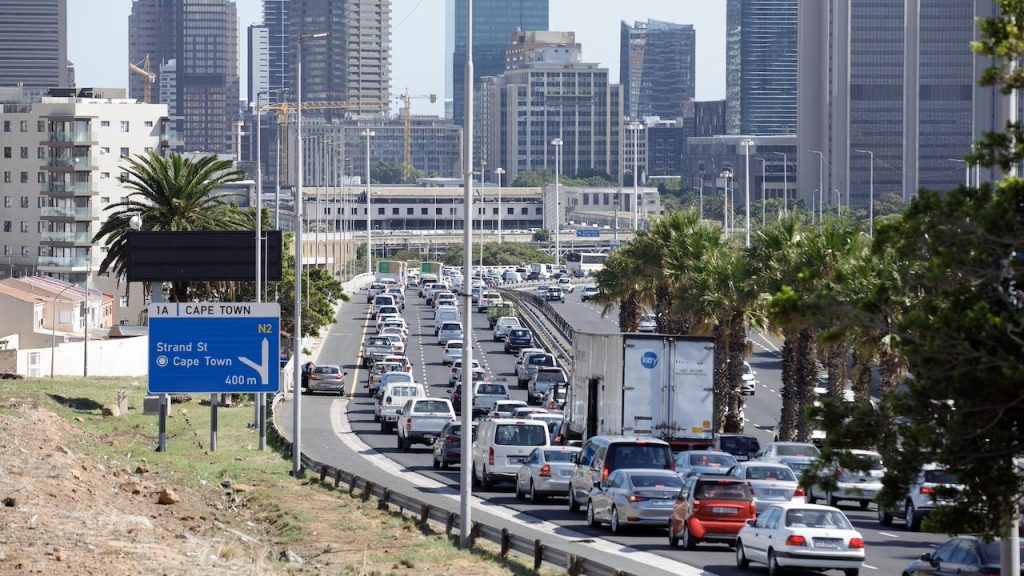
With Cape Town now ranked as the 9th most congested city in the world on the 2024 INRIX Global Traffic Scorecard, the Western Cape’s new Mobility Month was launched on Wednesday with a bold call to action from provincial minister of mobility, Isaac Sileku, urging a fundamental shift in how we move people and goods across the province.
With the average driver losing 94 hours a year stuck in traffic, the equivalent of two working weeks, its costing the local economy an estimated R3 billion annually.
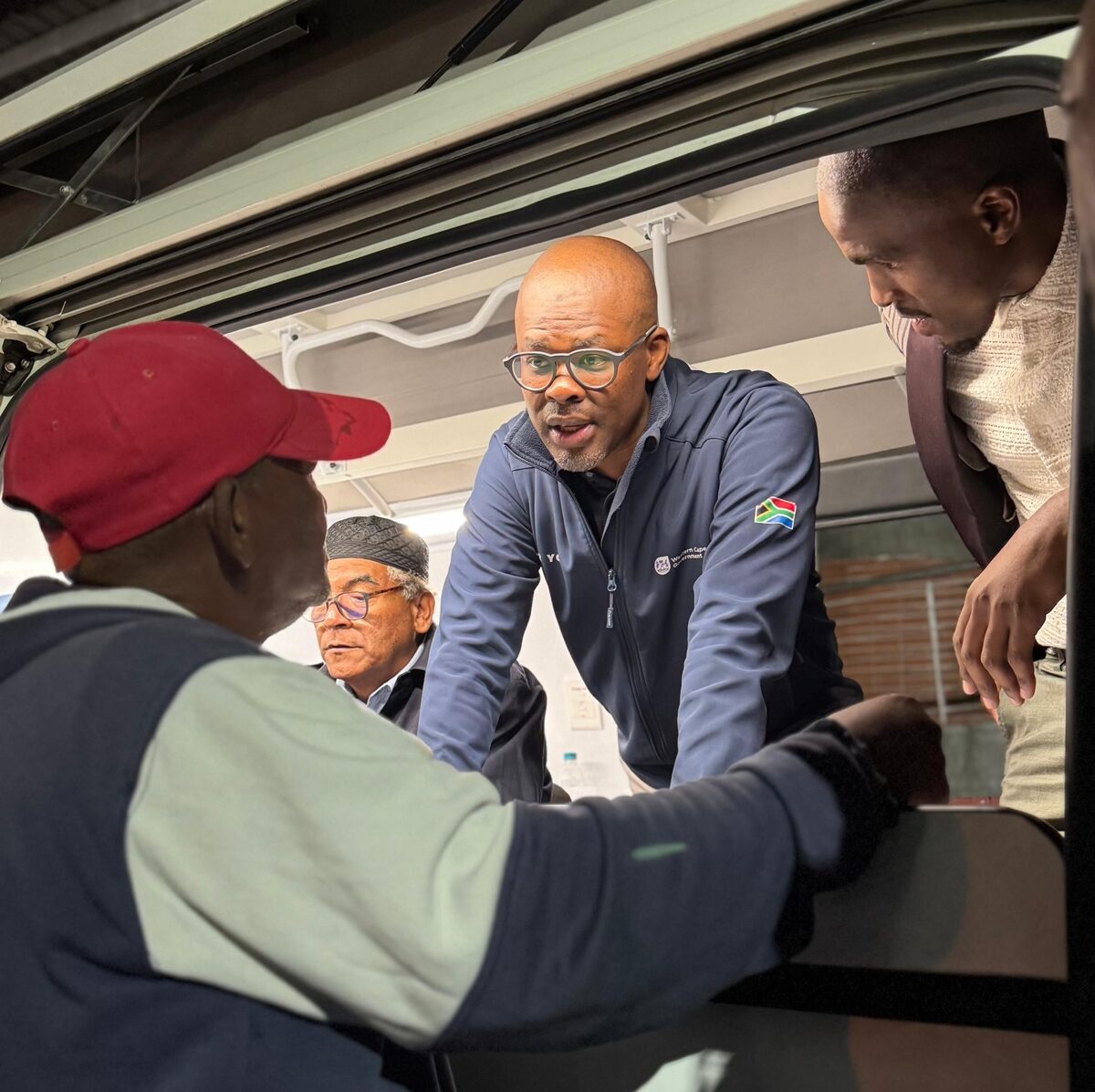
Kicking off the month-long initiative, Sileku convened a high-level panel of transport experts, academics and key industry players to unpack one of the Western Cape’s thorniest challenges – traffic congestion – and to map out a more connected, sustainable future.
“Congestion is not just an inconvenience. It hurts our economy, our environment, and most importantly, our people’s livelihoods,” Sileku said in his keynote address. “We cannot build around congestion. We must manage it, collectively and innovatively.”
The panel discussion held under the theme “Managing Mobility Together” included representatives from the Passenger Rail Agency of South Africa (Prasa), Golden Arrow Bus Services, Santaco, and the University of Cape Town, among others.
With car ownership in the province nearly doubling since 2003, and over 60% of peak-time cars carrying just one occupant, the Western Cape’s roads are groaning under pressure. A fractured public transport system and spatial planning that left communities isolated from economic hubs have only worsened the gridlock.
“The situation is not sustainable,” Sileku warned. “We need to get more people out of private cars and into safe, reliable public transport.”
For Prasa, the answer lies in rail. “We aim to move one million passengers a day,” said Raymond Maseko, regional manager of Prasa. “Passenger rail must form the backbone of public transport , but we must be supported and complemented by other modes.”
Prasa’s rail recovery efforts, including restoring the critical Central Line, deploying a Rail Enforcement Unit and expanding park-and-ride infrastructure are central to this mission.
From the minibus taxi industry, Santaco provincial chairperson Mandla Hermanus confirmed a shift towards higher-occupancy vehicles, such as 23- and 25-seaters.
We need to get more people out of private cars and into safe, reliable public transport.
“It’s better business and better for the roads,” Hermanus said. “Fewer vehicles, more passengers, and lower operating costs.”
UCT Professor Lester Davids, in his inputs said: “From an eco-systematic approach, it will be much more effective once we work as a collective in solving problems. In that way, we don’t just see the problem and solve it and then move on to identifying and fixing other problems. When you look at the aspect of health and wellness benefits that come with non-motorised solutions, there’s an opportunity to open a new eco-system, which allows for commercial trade-offs, such as discounts on aspects and items to improve your health.”
The Mobility Month campaign, running throughout October, will spotlight key areas of the transport landscape, from freight logistics and road safety to accessible public and non-motorised transport.
“We want to reclaim lost hours spent in traffic,” said Sileku, “and create a system that works for everyone – commuters, businesses, and communities alike.”
Residents are being encouraged to carpool, adopt flexible working hours, support safe public transport, and explore non-motorised options wherever possible.
“We’re not waiting for perfect solutions,” said Sileku. “We’re building a better system – one smart, practical intervention at a time.”
ALSO READ: Western Cape launches ambitious rail freight revival to slash road congestion


You must be logged in to post a comment.