


Cold fronts brewing in the biggest part of South Africa bring early morning chills, misty windscreens, colder engines, and in some instances, slippery roads.
While your vehicle might seem like it is handling things just fine, winter does affect how it performs – and how safe you are on the road. Thabo Tlhakwana, Wheel and Tyre manager at Eagle Motor City advises motorists to adhere to the following:
Do not let a cold battery leave you stranded
Lower temperatures can reduce battery power. If your battery is older than three years, get it tested. If battery terminals are corroded, a quick clean could save you a lot of hassle.
Tyres lose pressure in cold weather
Colder air leads to lower tyre pressure. Underinflated tyres mean less grip and higher fuel consumption. Check it regularly, as well as the tread depth. You want maximum contact with the road, especially when it is wet or icy, which happens overnight in many places in South Africa.
Fluids matter more than you think
Coolant and washer fluid are winter essentials. Coolant helps prevent overheating, even in cold weather, and a good washer fluid cuts through mist and grime with ease.
Foggy windows? Fix it fast
Cold mornings create steamed-up windscreens. Use your airconditioner or demister. Keep a microfibre cloth nearby in case you need a quick wipe.
Winter is not kind to your paint
Dust, moisture and dirty roads can damage your vehicle’s paint over time. A regular wash and wax protects its exterior from dirt buildup and minor scratches and keeps it looking fresh.
Don’t idle, just drive gently
Modern engines do not need long warm-ups. Instead of idling, start driving slowly after a few seconds to allow the engine to reach optimal temperature naturally. It is better for the vehicle and your fuel bill.
Light the way
With fewer daylight hours, your lights are more important than ever. Check all bulbs – headlights, brake lights, indicators – and replace any that are dull or faulty for maximum visibility and safety.
A little care now goes a long way in keeping you safe and your vehicle running smoothly, says Tlhakwana.
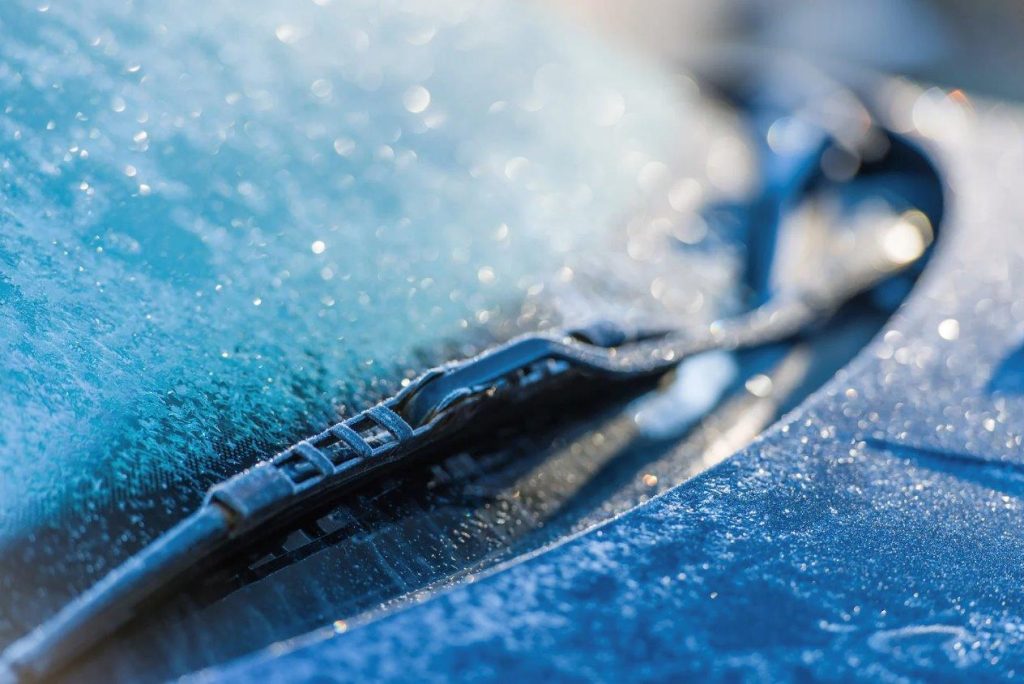
Adjusting driving techniques in adverse weather conditions
When driving in poor weather conditions, drivers sometimes underestimate the necessary adjustments required to their driving techniques.
According to arrivealive.co.za, adverse weather conditions are those brought about by changes in weather that require drivers to exercise special caution and adjust their normal driving behaviour. These conditions tend to reduce visibility as well as a driver’s ability to steer safely or apply the brakes effectively.
Adverse weather conditions include driving in rain, flooding, snow, fog and mist, hailstorms, smoke from veld and forest fires, strong winds, extreme cold and hot weather, as well as driving towards the sun from sunrise to sunset.
Follow safe driving techniques in bad weather
If you find yourself caught on the road in adverse weather conditions, it is important to follow these safe driving techniques, advises Arrive Alive:
- Make sure your headlights are on – be visible, be seen.
- Obey all road and traffic signs.
- Be alert and drive defensively.
- Be prepared for road conditions to change over relatively short distances.
- Allow yourself enough time and space to react to a sudden emergency and move out of harm’s way or to come to a stop safely.
- Increase your following distance. Remain well behind the vehicle in front, as stopping distances can be ten times greater than on dry roads.
- Slow down. Braking takes longer on slippery roads – the slower you go, the easier it will be for you to maintain control and stop your vehicle.Rather than coming to a complete standstill in areas of poor visibility, move off the road surface.
- Be aware that in reduced visibility conditions, drivers tend to follow the rear lights of vehicles in front of them.
- Use special caution near junctions. Never assume that because you have the green light or right of way that the junction will be clear. Always scan ahead to spot potential hazards.
- Avoid unnecessary lane changes – stay in one lane as much as possible.
- Keep both hands firmly on the steering wheel and both eyes on the road at all times.
- Remain alert by continuously scanning the entire area.
- Drive extremely carefully when the roads are icy. Avoid sudden actions as these could cause loss of control.
- Accelerate and brake very gently. Drive particularly slowly on bends where loss of control is more likely.
- Brake progressively on the straight before you reach a bend. Having slowed down, steer smoothly round the bend, avoiding sudden actions.
- Be careful near elevated structures, such as bridges and motorway flyovers, as they usually freeze first.
- If you become stuck in a severe storm or blizzard and you cannot see a place nearby to seek assistance, stay put. It’s easy to become confused in a severe storm, and you may get lost.
- Stay in the vehicle and turn on the hazard lights until the conditions improve or help arrives.
- If you become stuck, avoid carbon monoxide poisoning by keeping the exhaust pipe clear of snow, and open a downwind window slightly for ventilation.
- In heavy rain, never use the brakes suddenly as this may cause the vehicle to skid.
- Beware of oil patches. Do not jam on your brakes, just steer through. In most cases, the patches will be small.
- Be extra careful during the first half hour after rain begins. Grime and oil on the road surface mix with water to make the road slippery.
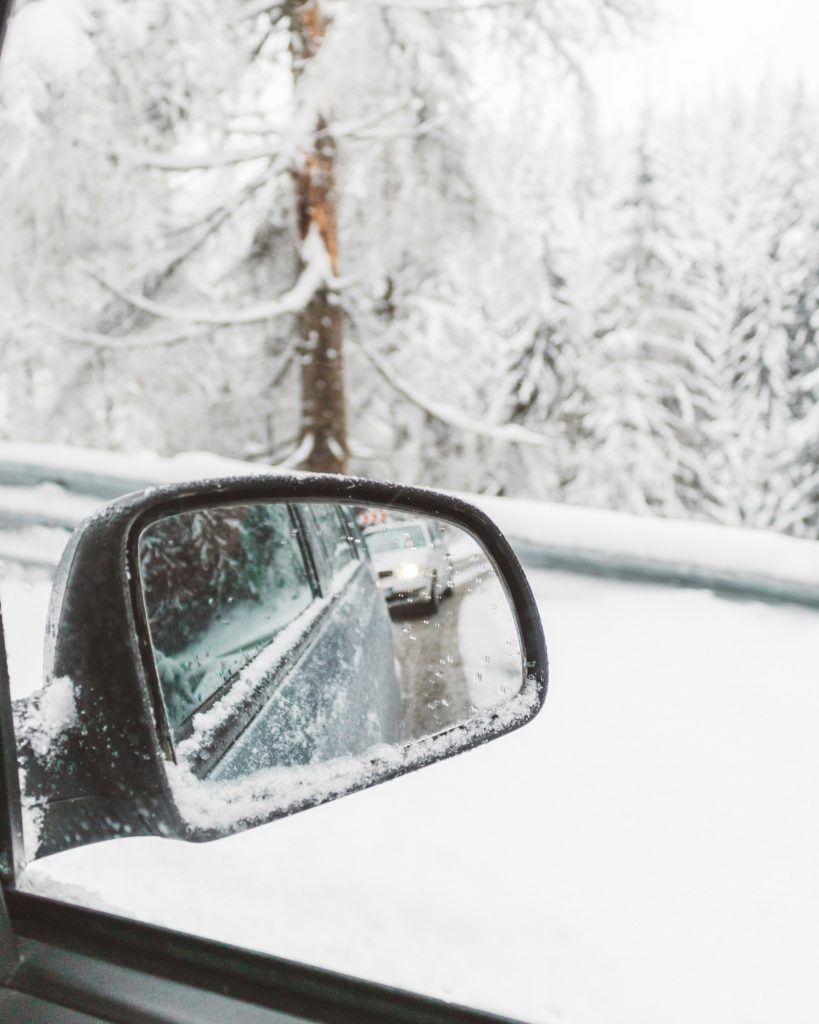
Prepare in case you get stranded in snow or rain
If you have to take a journey in extreme weather conditions, create an emergency kit to have in your vehicle before departure. Include items such as:
- Protective clothing and a blanket, including a high visibility jacket and a torch/flashlight with batteries.
- Water, snack foods like high-calorie fruit bars, granola bars, nuts, etc.
- If you have space and may be travelling in snow consider keeping extra clothing, snow boots, flares, a shovel, and even strips of carpeting to place under your tyres if your vehicle becomes stuck.
- First-aid kit
- Battery jump leads
- A GPS navigation device or map for any unplanned diversions
- A towing rope




You must be logged in to post a comment.