

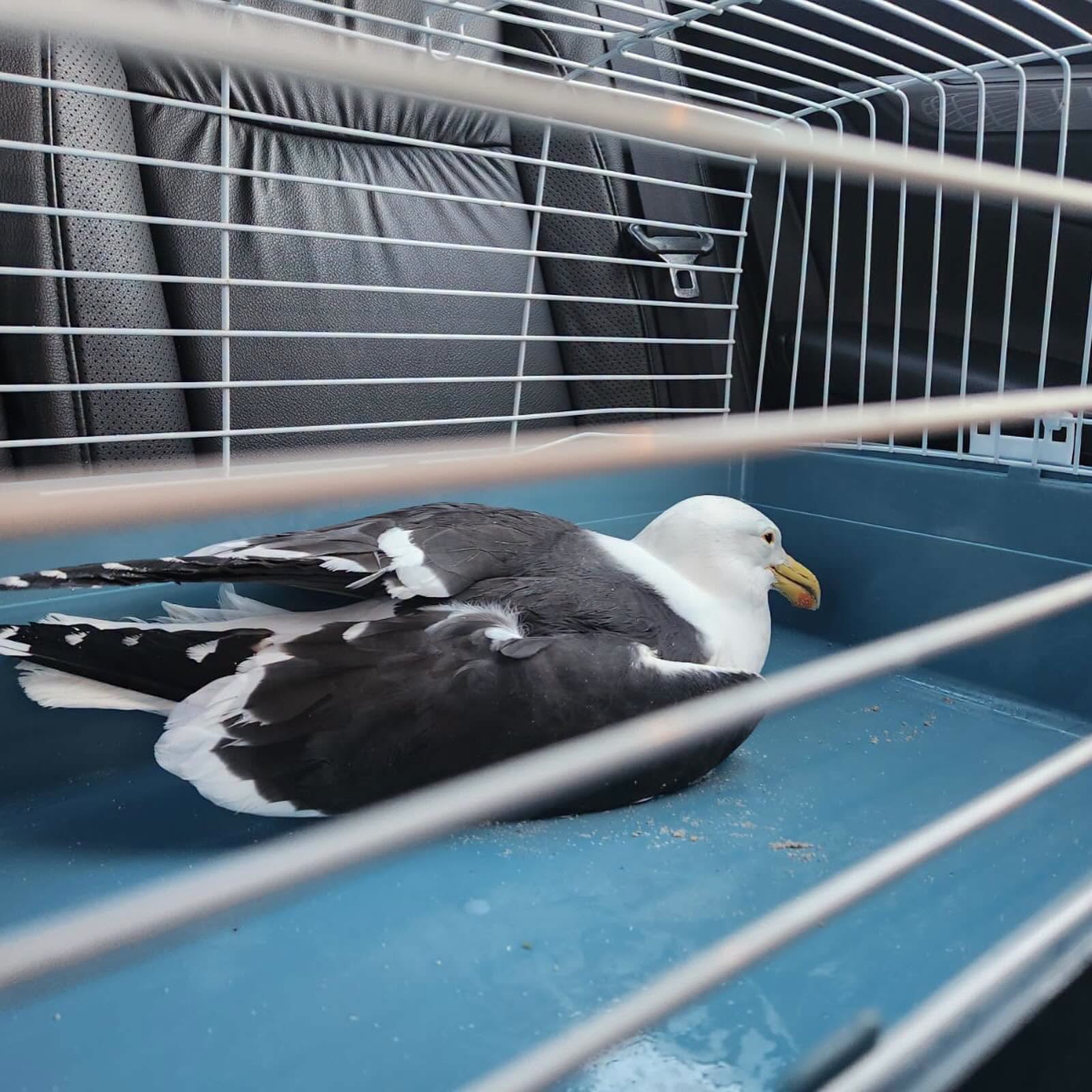
CAPE TOWN – As reported cases of Highly Pathogenic Avian Influenza (HPAI), commonly known as bird flu, continue to increase across South Africa, conservation authorities are urging the public to remain vigilant and help protect vulnerable seabirds by avoiding contact with sick or dead birds, and reporting suspected cases.
The disease is highly contagious among birds and has resulted in significant mortality in wild bird populations.
Conservation authorities are appealing to residents and visitors to help protect both wildlife and their pets by avoiding contact with sick or dead birds.
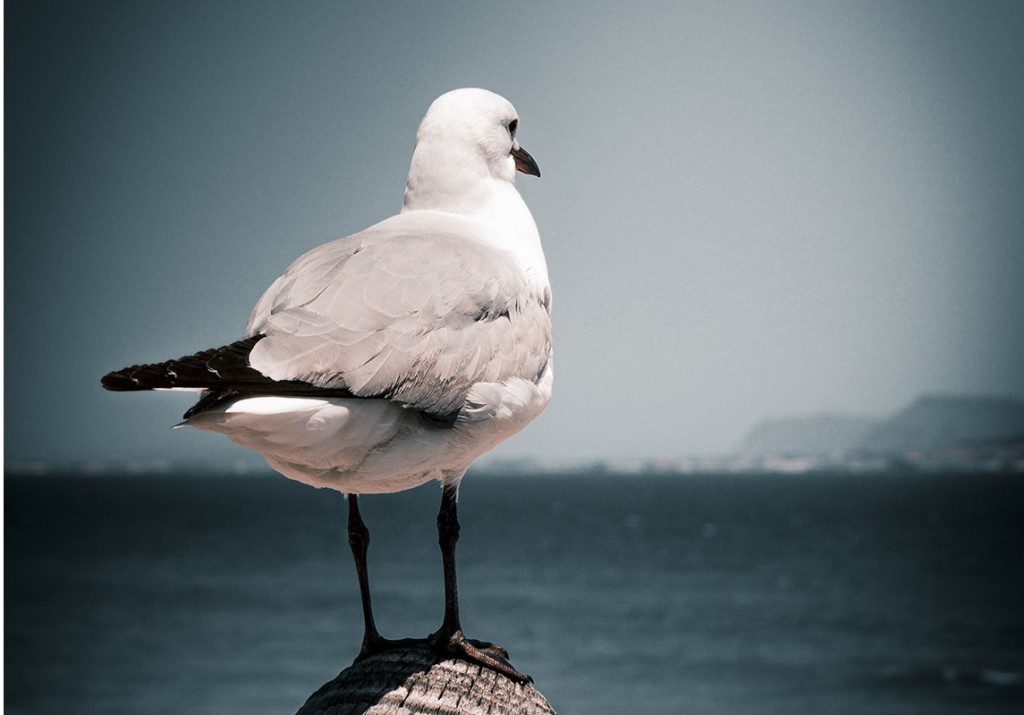
Disease spreads
HPAI is a serious and currently incurable disease in wild birds. Where infection is confirmed, humane euthanasia is often the most compassionate course of action to prevent unnecessary suffering and limit the spread of the virus to other birds.
CapeNature CEO Dr Ashley Naidoo said seabirds play an important role in the health of marine and coastal ecosystems. “Seabirds are important indicators of the health of our marine and coastal ecosystems,” he said.
“By reporting suspected cases of avian influenza and following safety guidelines, members of the public can support conservation agencies in responding effectively while reducing risks to wildlife and people.”
Authorities stress that the public should never touch, move or attempt to rescue sick or dead birds. Dogs and other pets should also be kept away from affected birds to reduce the risk of exposure.
If a bird is encountered, it should be observed from a safe distance without causing further disturbance.
Steps to take
Should you come across sick or dead birds individuals are encouraged to record important information such as the location, date, species (if known), the number of birds affected and any unusual behaviour, including tremors or disorientation.
Photographs or videos may also be taken, provided the bird is not disturbed.
Reports should then be submitted to the appropriate authority.
Live seabirds should be reported to SANCCOB on 078 638 3731, while dead seabirds can be reported using the Department of Forestry, Fisheries and the Environment’s online Avian Influenza Reporting Tool.
Multiple dead birds found together should be reported to the relevant municipality, CapeNature, SANParks, landowner or local stranding network for safe removal.
Live birds of other species should be reported to the local State Veterinarian, while dead birds should be reported to the relevant conservation authority.
Rare risk to humans
Although certain strains of HPAI can infect humans, infections remain rare. Authorities advise anyone who has had potential exposure to sick or dead birds and later develops flu-like symptoms to seek medical advice promptly.
Conservation authorities emphasise that every report plays an important role in monitoring the outbreak, identifying affected areas and coordinating an effective response.
By following safety guidelines and reporting suspected cases, the public can help protect South Africa’s seabirds, other wildlife and the country’s fragile coastal ecosystems.
ALSO READ: Sanccob tightens biosecurity as bird flu threatens seabirds


You must be logged in to post a comment.