


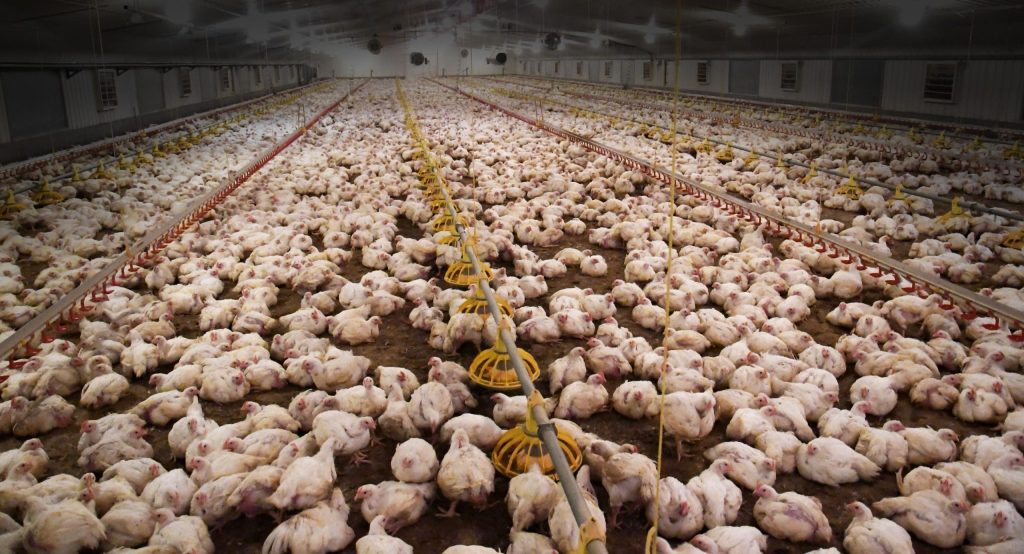
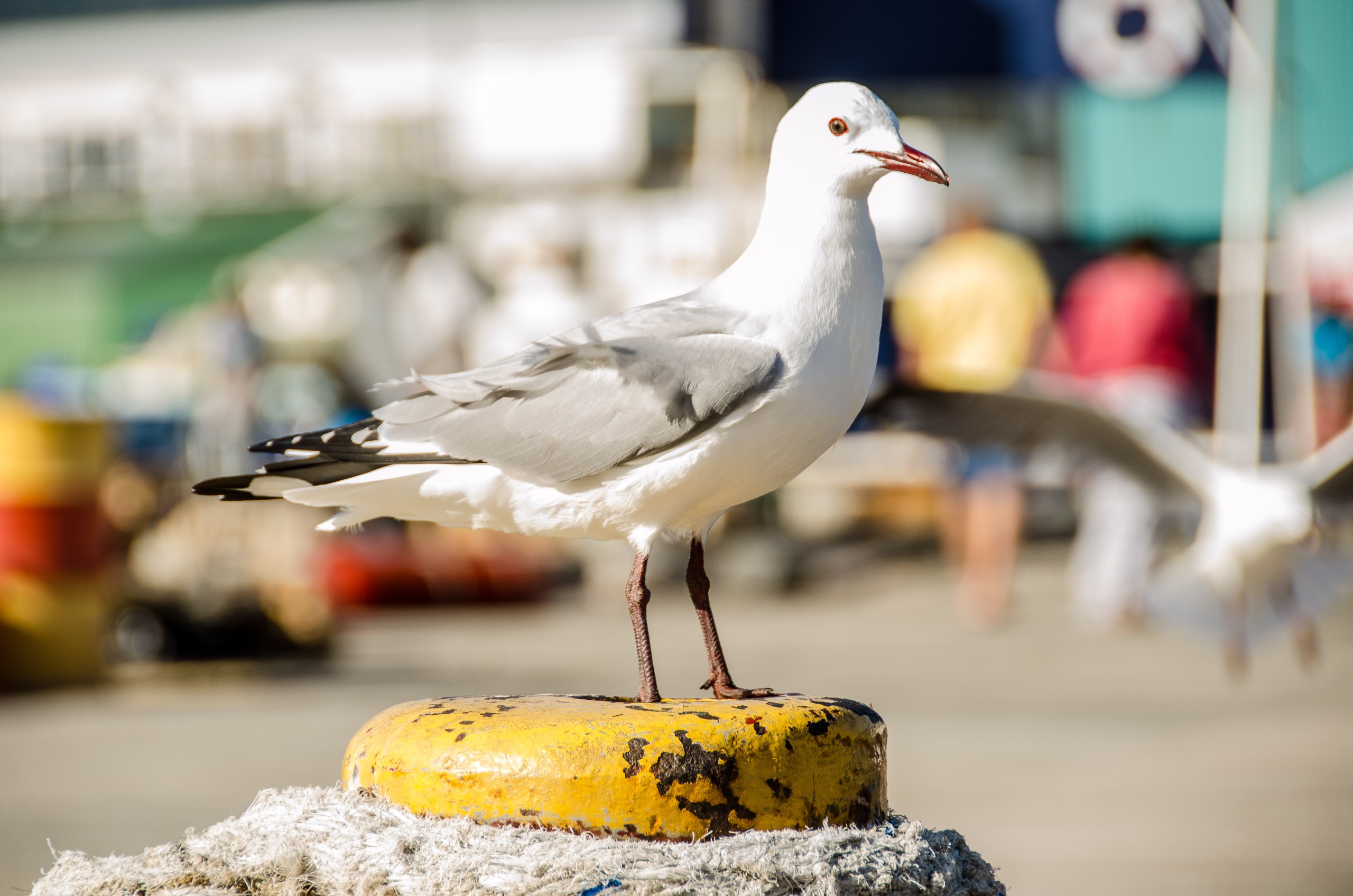
The Western Cape is grappling with a fresh outbreak of highly pathogenic avian influenza (HPAI), commonly known as bird flu, marking the first confirmed cases in the province since April 2024. The outbreak has affected both commercial poultry farms near Paarl and wild bird populations, with multiple deaths reported among great white pelicans and Hartlaub’s gulls.
Outbreak timeline and spread
The current outbreak, confirmed in August 2025, represents the latest wave of H5N1 avian influenza that has been spreading globally since 2020. While commercial duck and chicken farms have successfully contained the virus through humane culling practices, the detection of bird flu in wild populations presents a far more complex challenge for authorities.
The virus spreads primarily through direct contact with infected birds’ feces and respiratory secretions, as well as through contaminated feed, water, and farm equipment. Wild migratory birds, particularly waterfowl, serve as natural reservoirs for the virus and play a crucial role in its long-distance transmission along migratory routes.
Critical threat to endangered species
The outbreak poses an urgent threat to the Western Cape’s already vulnerable seabird populations, including African penguins, Cape cormorants, and Cape gannets. These species have been classified as either endangered or critically endangered, making them particularly susceptible to disease outbreaks.
Historical data reveals the devastating potential of avian influenza on local seabird populations. Previous outbreaks killed more than 24 000 Cape cormorants in 2021 and over 1 000 African penguins, dealing significant blows to species already facing multiple conservation challenges.
African penguins face functional extinction
Of particular concern is the African penguin population, which has declined by approximately 97% and could face extinction in the wild by around 2035 without immediate intervention. Conservationists warn that the species could reach functional extinction within a decade, making any additional mortality from disease outbreaks potentially catastrophic.
The African penguin population currently faces severe food shortages due to competition with commercial fishing operations, climate change affecting prey distribution, and now the added pressure of recurring disease outbreaks.
Long-term conservation implications
The long-term implications of recurring bird flu outbreaks extend beyond immediate mortality figures. Each outbreak:
• Disrupts breeding cycles and reduces reproductive success rates
• Increases rehabilitation costs and strains conservation resources
• Compounds existing environmental pressures from climate change and fishing competition
• Threatens ecosystem balance in marine environments
• Impacts tourism revenue dependent on healthy seabird populations
Conservation experts emphasise that integrated, long-term strategies are essential, including establishing no-take fishing zones around breeding colonies, providing artificial nests, improving disease surveillance, and strengthening biosecurity measures.
ALSO READ: South Africa takes landmark step with first-ever poultry vaccination against bird flu
Political response and accountability
Dave Bryant, MPP and DA Western Cape Spokesperson on Environmental Affairs and Development Planning, has raised serious concerns about the outbreak’s potential impact and called for greater governmental accountability.
“Protecting our seabirds is not only a matter of biodiversity, but of preserving an irreplaceable part of the Western Cape’s natural heritage,” Bryant stated. “These species are vital to our ecosystems and our tourism economy, and we must act swiftly to ensure this outbreak does not cause catastrophic loss of life.”
The DA has announced plans to submit parliamentary questions examining whether proper impact assessments have been conducted on avian influenza’s effects on African penguins and other vulnerable species. The party is also seeking clarity on current monitoring and mitigation measures, as well as the level of coordination between provincial, national, and conservation authorities.
Government response
Following South Africa’s severe 2023 bird flu outbreak that killed approximately one-third of the national chicken flock, authorities have implemented enhanced surveillance and biosecurity measures. The government has initiated the country’s first-ever mass vaccination campaign for poultry, prioritizing high-risk commercial farms to contain virus spread and reduce culling requirements.
Coordination efforts now include veterinary services, police, and border authorities working together to strengthen traceability systems and prevent further transmission.



You must be logged in to post a comment.