

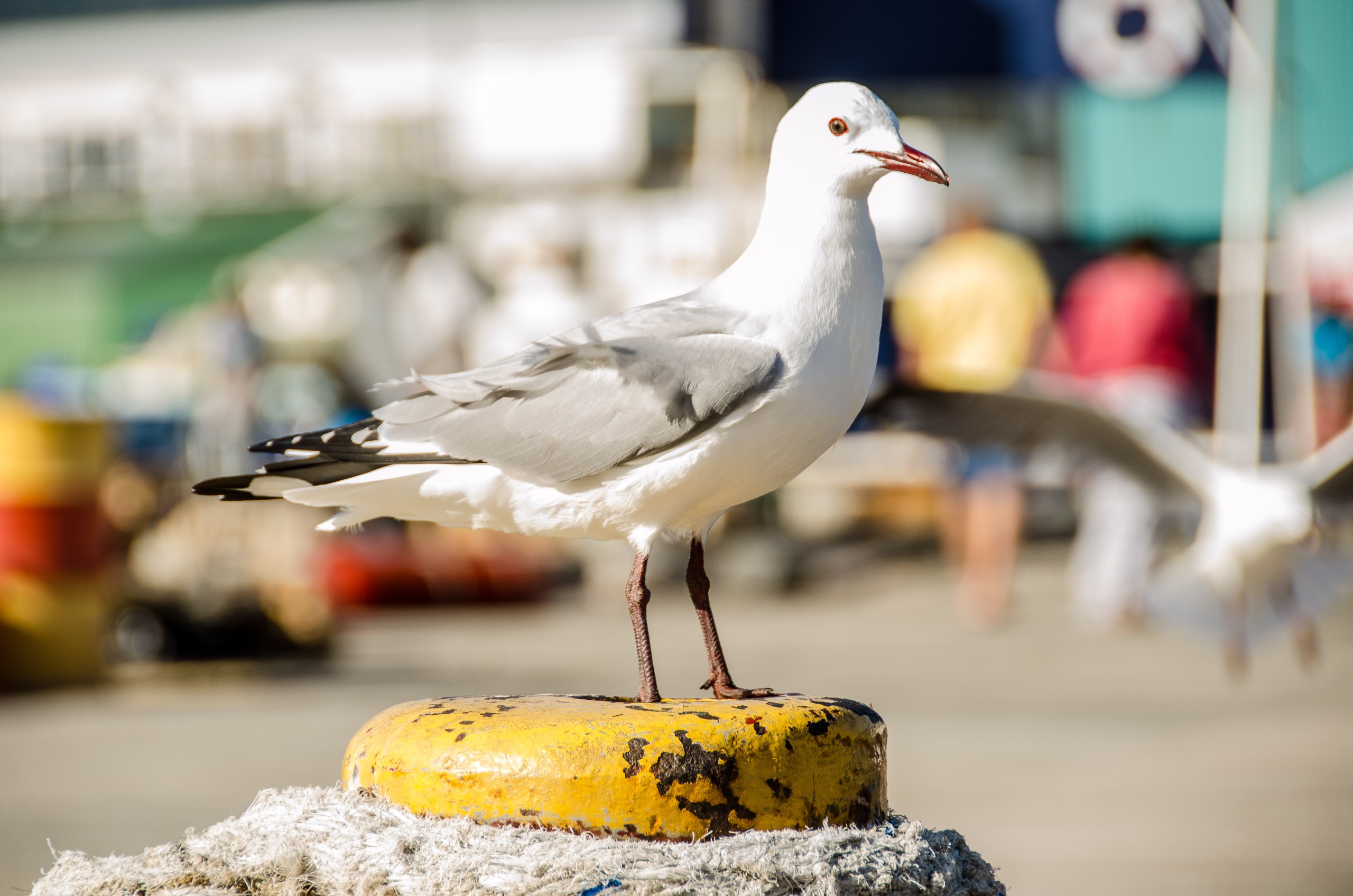
Members of the public are being urged to remain vigilant as bird flu continues to threaten seabirds along the Western Cape coastline, coinciding with World Seabird Day observations.
Highly Pathogenic Avian Influenza (HPAI), commonly known as bird flu, is causing significant mortality among wild bird populations across South Africa, with seabirds particularly affected along coastal areas.
Conservation authorities are calling on the public not to touch, move or attempt to rescue sick or dead birds, and to keep pets away from affected animals.
CapeNature CEO Dr Ashley Naidoo said seabirds serve as important indicators of marine and coastal ecosystem health.
“By reporting suspected cases of avian influenza and following safety guidelines, members of the public can support conservation agencies in responding effectively while reducing risks to wildlife and people,” Naidoo said.
The public can assist monitoring efforts by reporting sightings of sick or dead birds from a safe distance. These reports help authorities track the spread of HPAI, identify affected areas and respond appropriately.
When encountering a bird, observers should record key details including location, date, species if known, number of birds affected and any unusual behaviour such as tremors or disorientation. Photographs or video may be taken without disturbing the bird.
Live seabirds should be reported to SANCCOB seabird rehabilitation centres. Dead seabirds can be reported through the at https://arcg.is/1585011 or https://ocims.environment.gov.za/AvianInfluenza.html.
Multiple dead birds in close proximity should be reported to relevant authorities including stranding networks, municipalities, CapeNature or SANParks at 083 236 2924 or estuaries@capenature.co.za for safe removal.
ALSO READ: Sanccob tightens biosecurity as bird flu threatens seabirds
Other bird species should be reported to the local State Veterinarian if alive, or to the relevant conservation authority if dead.
HPAI cannot currently be treated in wild birds. Where infection is confirmed, authorities may arrange humane euthanasia to prevent unnecessary suffering and reduce further transmission.
While human infections remain rare, certain strains of HPAI can infect people. The public is encouraged to avoid unnecessary contact with sick or dead birds and to seek medical advice if flu-like symptoms develop following potential exposure.
Conservation authorities say every report helps monitor the outbreak and support an effective response to protect seabirds and other wildlife.

