


Healthcare professionals and the public share responsibility for protecting antibiotics, according to a continuing professional development (CPD) evening on antimicrobial stewardship held in Bloemfontein on 16 November.
The event was streamed across South Africa and internationally. It looked at how the microbiology laboratory guides responsible antibiotic use.
It took place before World Antimicrobial Resistance (AMR) Awareness Week, which runs from 18 to 24 November. The annual campaign raises awareness of drug-resistant infections and encourages action to prevent their spread.
LEES OOK: Dubbele eer aan Bloemfonteinse apteker gegee.
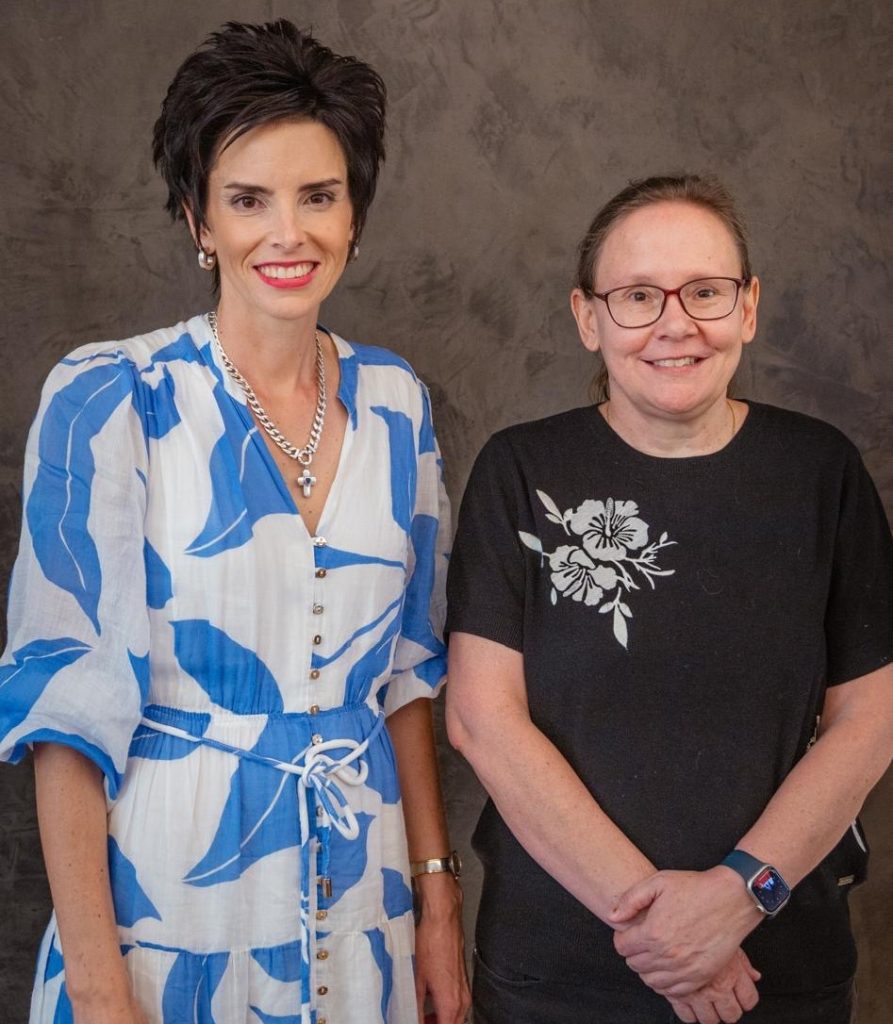
Dr Martlie Mocke-Richter, the Commonwealth Pharmacists Association’s Antimicrobial Stewardship Champion for South Africa, said antibiotics are essential medicines for treating bacterial infections.
“Antibiotics can save lives and help make procedures such as major surgery and cancer treatment safer. However, they do not treat viruses, including those that cause colds and flu,” she said.
What resistance means
Mocke-Richter said antibiotic resistance occurs when bacteria no longer respond to the antibiotics that would normally treat them. The bacteria become resistant, not the person’s body. Resistant bacteria can spread, so the consequences reach beyond the individual taking the medicine.
“The misuse and overuse of antibiotics accelerate resistance. Infections can then become harder to treat, leading to longer illnesses, prolonged hospital stays, higher costs and fewer treatment options,” she said.
The role of the laboratory
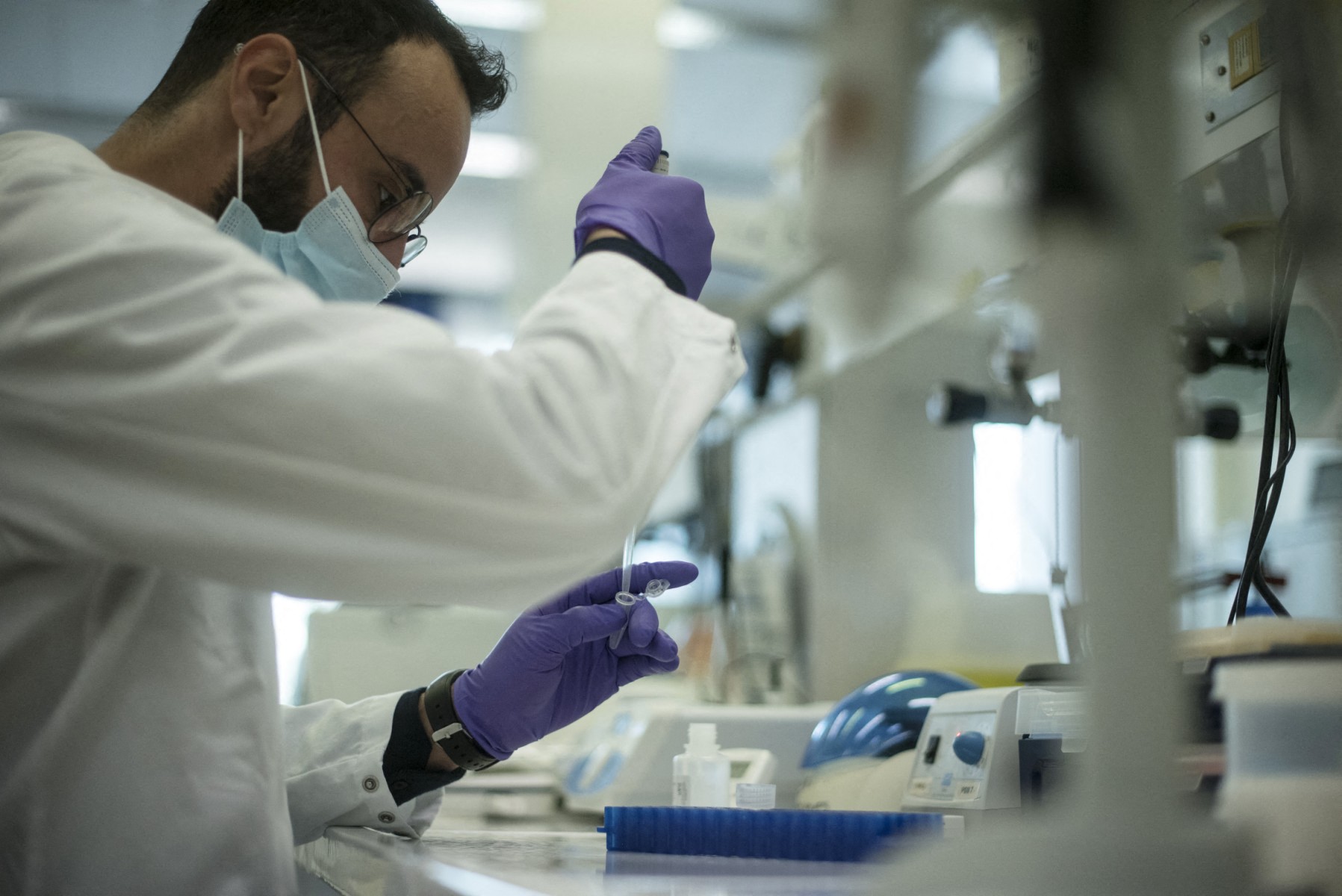
According to Mocke-Richter, the microbiology laboratory helps healthcare teams choose appropriate treatment. Blood or urine samples can identify the bacteria causing an infection, and further testing can show which antibiotics are likely to work.
When results become available, a healthcare professional may change the antibiotic to target the infection more precisely. She said such a change can be an important part of good care.
“This approach is known as antimicrobial stewardship: ensuring that antibiotics are used when needed, with the appropriate medicine, dose and treatment duration. It also means ensuring that patients who need antibiotics receive effective treatment promptly,” she said.
Six steps to protect antibiotics
Mocke-Richter listed six practical steps:
- Use antibiotics only when prescribed for you. Not every cough, sore throat or fever needs an antibiotic.
- Follow the treatment instructions. Take the prescribed dose at the correct times for the advised duration. Consult your pharmacist or prescriber before changing or stopping treatment.
- Never share antibiotics or use leftovers. Similar symptoms may have different causes and need different treatment.
- Ask questions. Make sure you understand why the medicine is needed, how to take it and when to seek further help.
- Seek advice if you get worse or do not improve as expected. Do not increase the dose or switch antibiotics yourself.
- Prevent infections where possible. Regular handwashing, safe food handling and recommended vaccinations help reduce infections and the need for antibiotics.
Resistance also links human health, animal health and the environment. Protecting antibiotics therefore requires cooperation between communities, healthcare services and agriculture.
“Using antibiotics responsibly now helps preserve their effectiveness for future generations,” Mocke-Richter concludes.



You must be logged in to post a comment.