

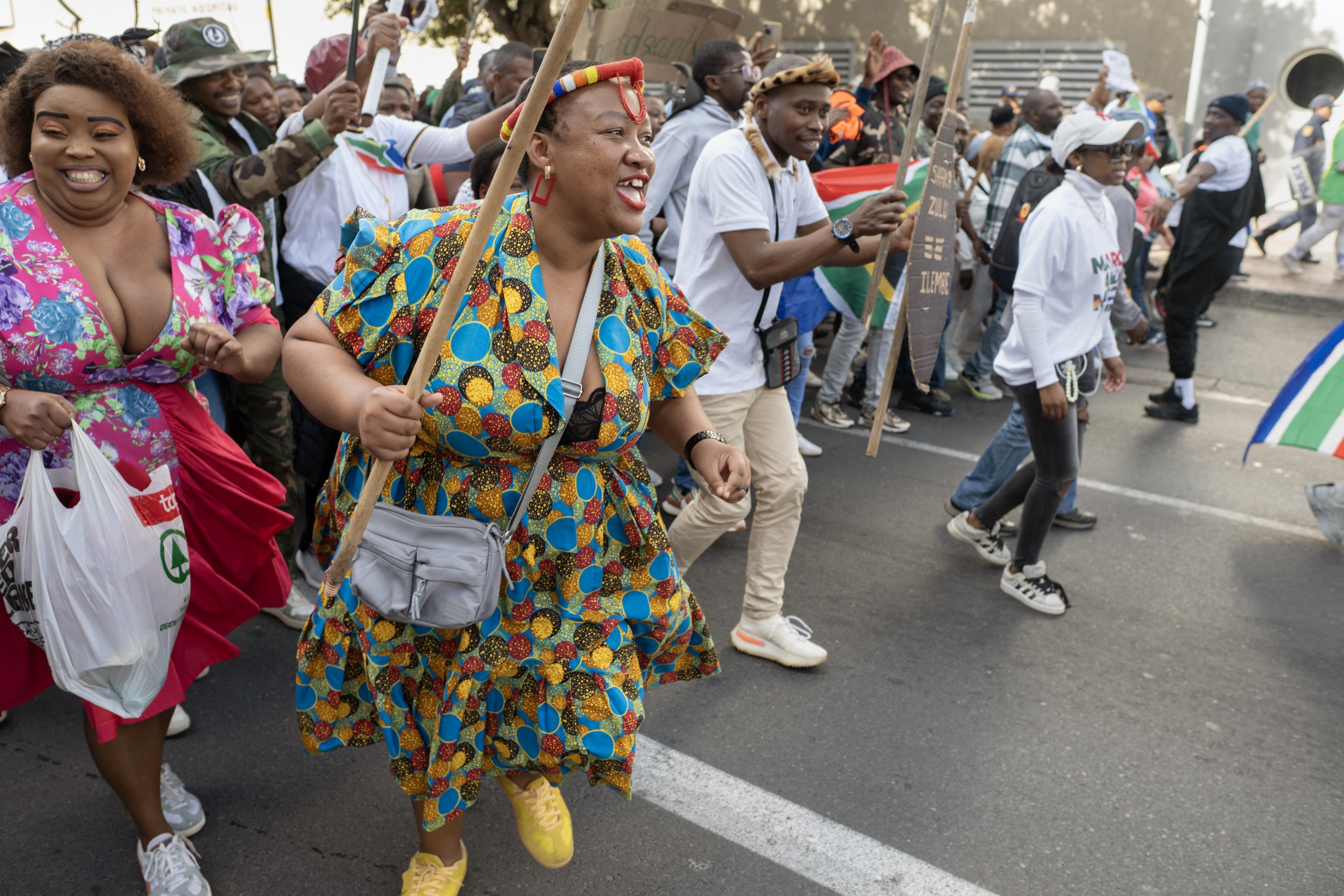
Anti-immigrant protests are intensifying across South Africa as vigilante groups threaten to forcibly remove undocumented migrants by 30 June, reviving a politically charged issue in a country grappling with severe economic hardship.
The latest wave of demonstrations has drawn sharp criticism from several African nations, with countries including Kenya, Malawi, Nigeria, Lesotho and Zimbabwe urging their citizens to exercise caution. Ghana has formally petitioned the African Union and initiated repatriation efforts.
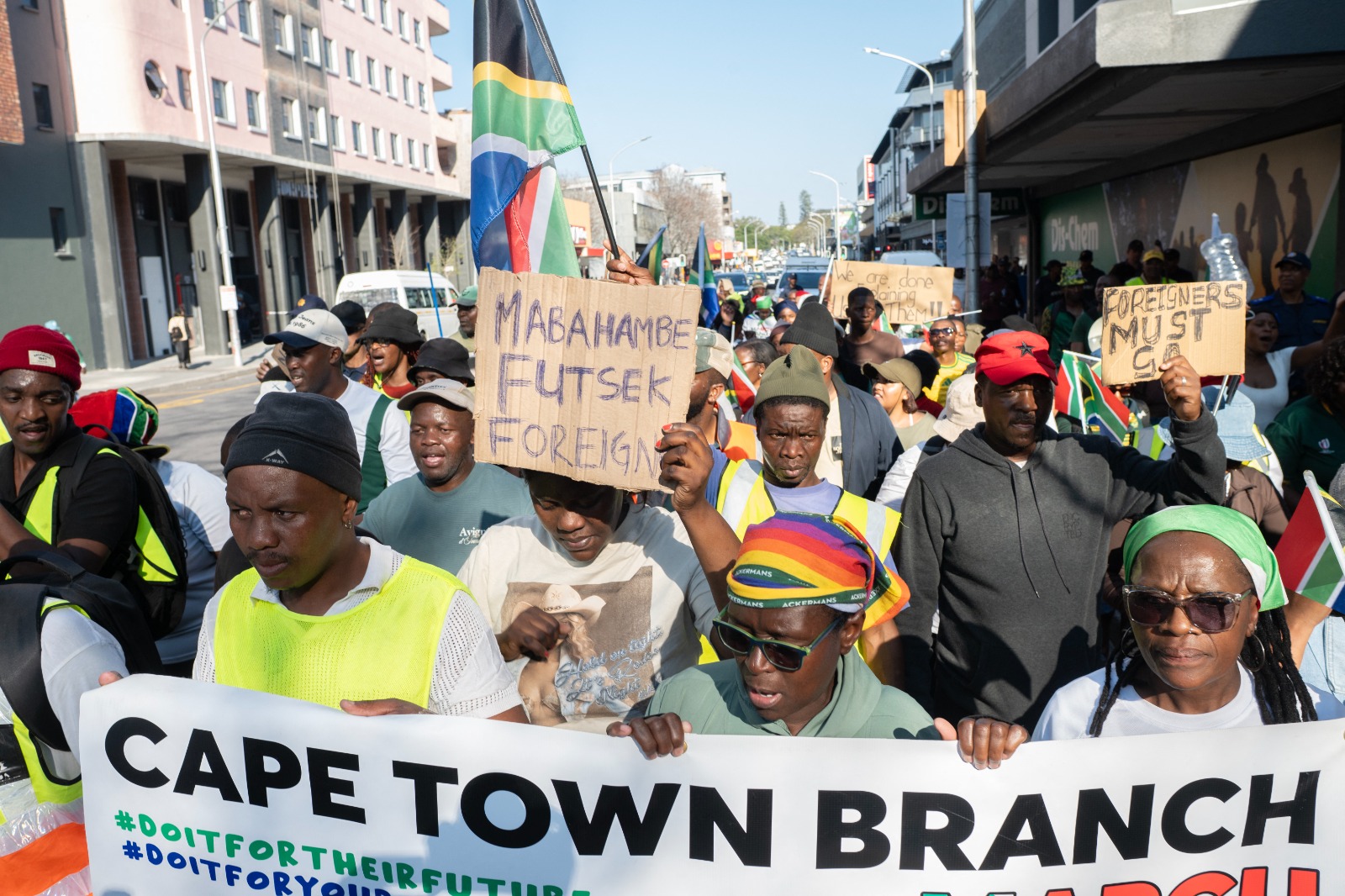
Mostly low-key demonstrations against migrants have been building for months following a flare-up late last year when undocumented foreign nationals were blocked from accessing clinics and hospitals. The tensions reflect growing public anger over soaring unemployment, crime and pressure on resources, with a steady influx of mostly African migrants becoming a convenient scapegoat, analysts say.
Three million immigrants face mounting pressure
South Africa hosts roughly three million immigrants, representing about 5,1% of the population, according to the national statistics agency. More than 63% come from neighbouring countries in the 16-member Southern African Development Community bloc, many of which are facing their own economic crises and political instability.
With South Africa’s unemployment rate at nearly 33% – significantly higher when discouraged job seekers are included – there is particular resentment towards working migrants.
Political opportunism fuels vigilante movements
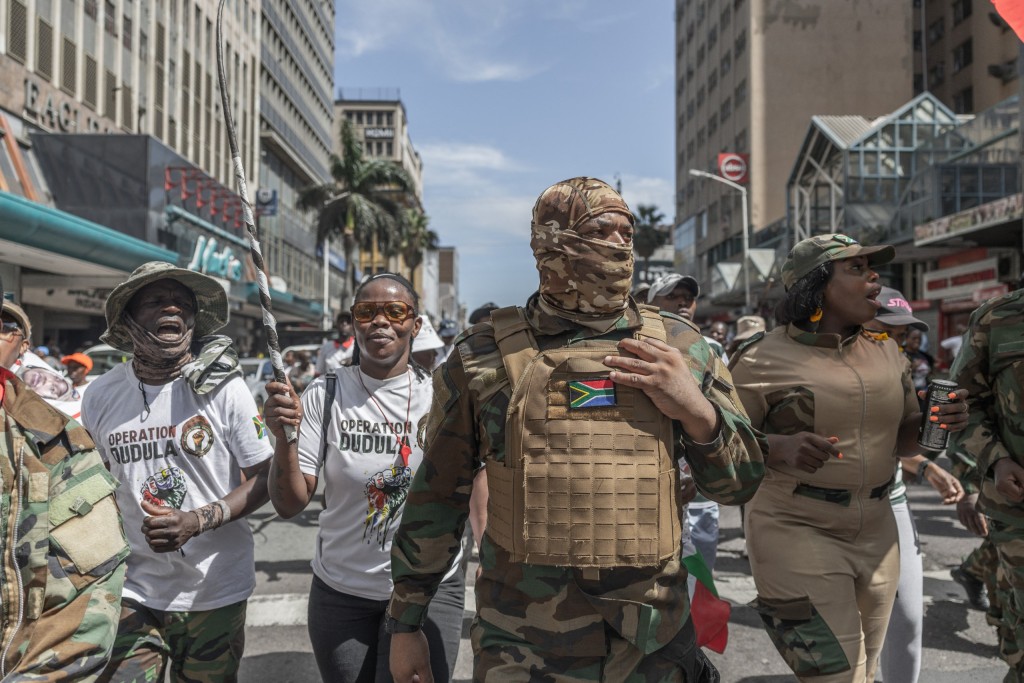
Protesters have been mobilised by a loose coalition of political parties and citizen-led xenophobic vigilante movements, some fronted by men in traditional Zulu dress. Their charges that migrants are behind crime and taking jobs from locals inflame tensions in townships strained by poverty, unemployment and weak policing.
A virulent social media campaign that includes disinformation debunked by AFP contributes to the spread of anti-migrant sentiment. Some political forces also appear to be using the tensions to garner support ahead of municipal elections in November.
“The main ingredient is right-wing political opportunism,” said political scientist Sandile Swana, warning it risks redirecting anger from structural failures. “We are seeing a new form of black-on-black violence diverting attention from the true culprits of the economic crisis.”
William Gumede, professor of public management at the University of the Witwatersrand, said South Africa is under pressure from global shocks and domestic policy failures. “We are going into a very difficult period,” he said, pointing to “self-inflicted toxic policies” by government and its failure to reverse economic decline.
Decades of xenophobic violence leave deadly trail
South Africa has experienced repeated waves of xenophobic violence over the past two decades. In 2008, 62 people were killed in anti-immigrant riots and thousands displaced. Further outbreaks followed in 2015 and 2016.
Violence in 2019 saw armed mobs descend on foreign-owned businesses around Johannesburg, leaving at least 12 people dead – 10 of them South African citizens.
Critics say weak law enforcement and limited prosecutions have entrenched a culture of impunity, allowing vigilante action to persist alongside anti-immigrant rhetoric.
“There is no law enforcement against illegal, unlawful vigilantism and afrophobia in South Africa, no prosecution at all,” Swana said.
Gumede said what sets the current wave apart is the growing acceptance of xenophobic rhetoric beyond fringe groups. “That wasn’t the case in the past, which is really a flashpoint,” he said.
ALSO READ: Court orders South Africa to stop xenophobic health clinic blockades
International condemnation mounts
The United Nations said it was “deeply concerned” while Human Rights Watch criticised a lack of adequate response from the authorities.
South Africa’s government has rejected accusations of xenophobia and urged other African nations to address the economic and governance crises driving migration.
ALSO READ: Police relocate hundreds of foreign nationals from Durban church amid anti-migrant tensions
While the bloodshed in this wave of anti-migrant action has been minimal compared to previous years, the vigilante groups’ order for undocumented migrants to leave by 30 June is raising fears even though it has no legal weight. Demonstrations have been announced in the lead-up, with groups also forcing small businesses run by foreign nationals to close.
Reputation as rights champion in tatters
South Africa’s international standing has been dented, undermining its post-apartheid image as a champion of human rights and African solidarity.
The government had “positioned South Africa as a moral authority but that is now heavily destroyed,” Gumede said.
The violence “opened an angle that will probably be exploited later by people such as Donald Trump that we are a genocidal nation,” he said, referring to a debunked claim that the white Afrikaner minority is systematically persecuted in South Africa.
ALSO READ: Ramaphosa condemns violent anti-immigrant protests, vows to uphold rule of law


You must be logged in to post a comment.