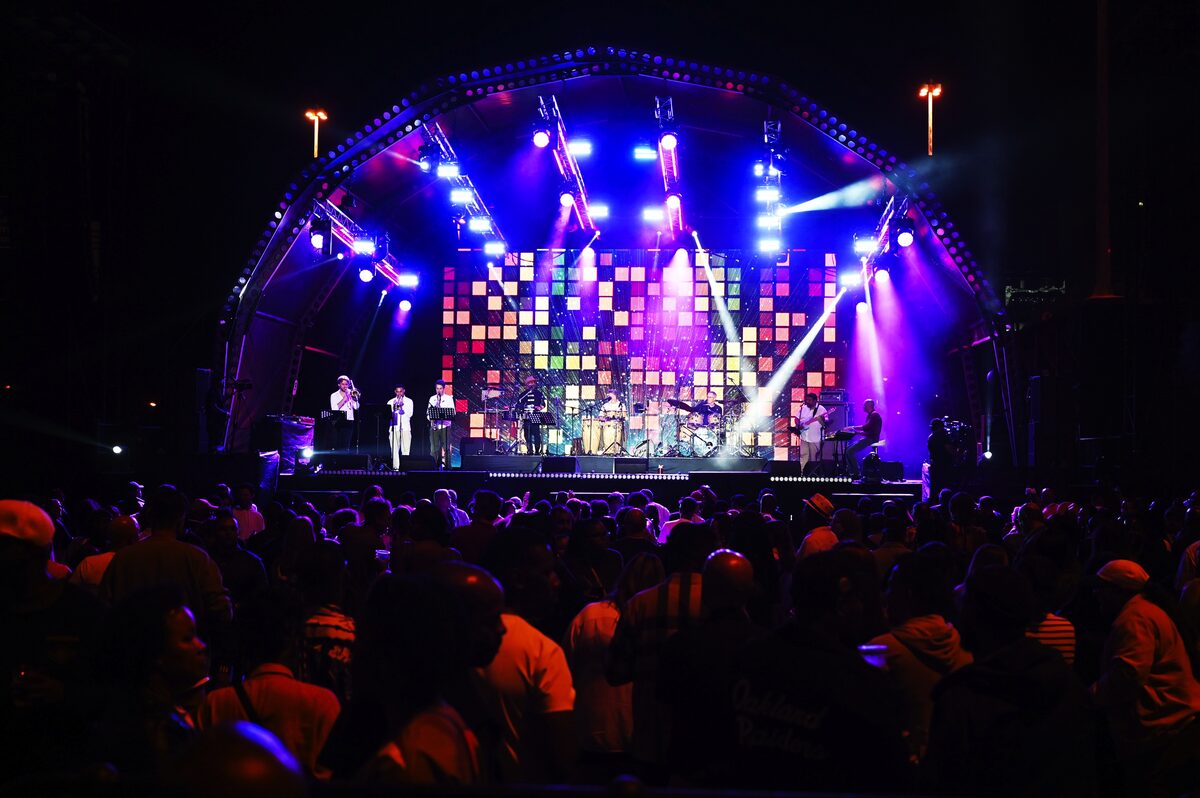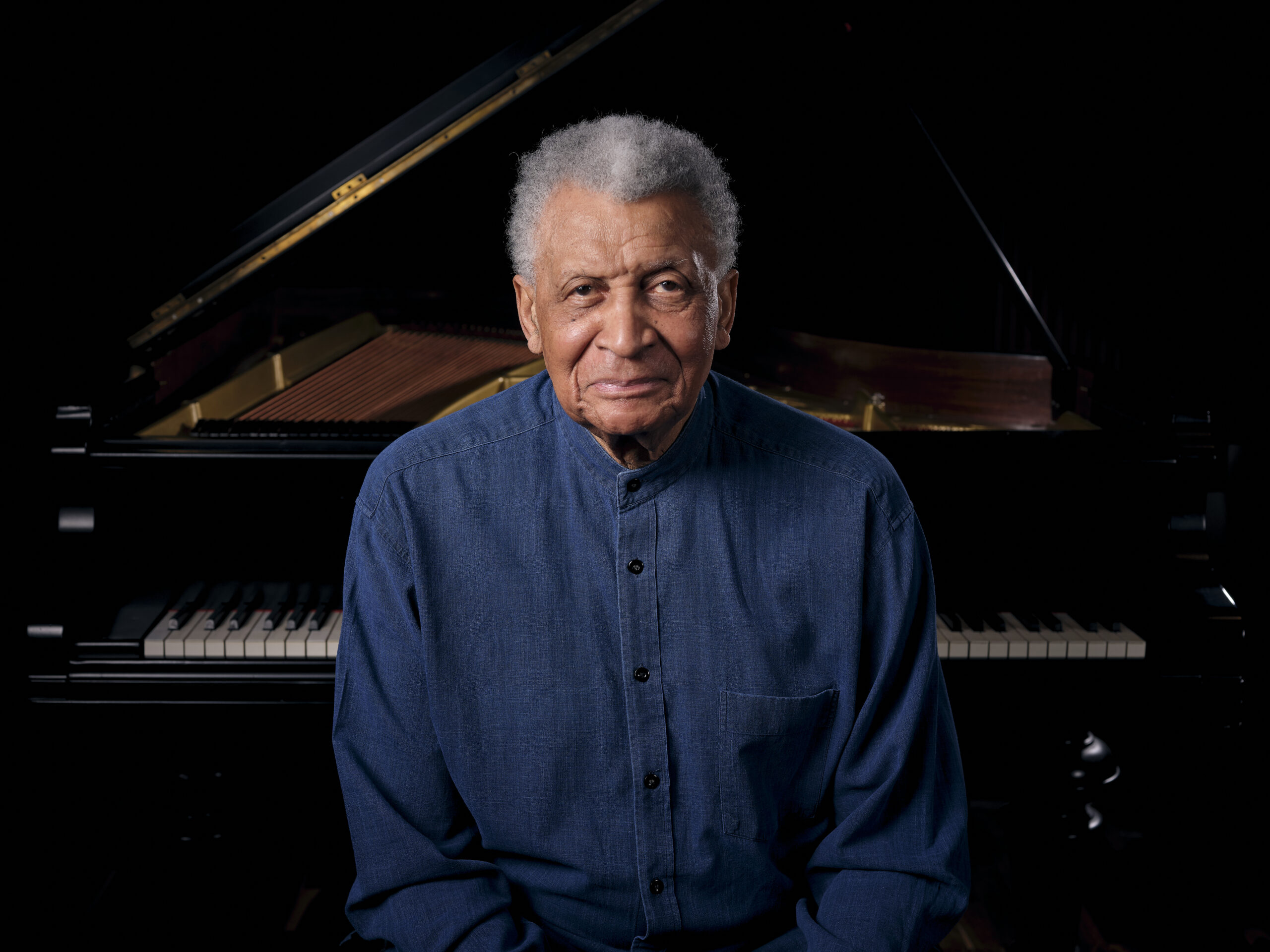
The renowned South African jazz maestro Abdullah Ibrahim is set to grace the stage once again at this year’s Cape Town International Jazz Festival (CTIJF), which takes place from Friday 27 to Saturday 28 March at the Cape Town International Convention Centre.
Known for his profound influence on the jazz scene, both locally and globally, his performances are considered by many as nothing short of transformative.
Ibrahim’s unique blend of traditional African sounds with jazz harmonies has made him an iconic figure, cherished by generations of fans.
This year’s festival, one of the most celebrated events on the international jazz calendar, is proud to welcome him back to Cape Town, a city deeply connected to his roots and artistic evolution.
As his remarkable reunion is anticipated on the Rosies stage, Ibrahim’s performance will not just be a concert but a heartfelt celebration of resilience, culture and the enduring power of music.
Widely celebrated as one of the world’s greatest pianists and composers, his career spans more than six decades and is rooted in the rich cultural tapestry of District Six, where he was born and first developed his distinctive sound.
His work blends traditional African musical idioms, gospel influences, Cape jazz traditions and the improvisational language of global jazz.
As a pioneering figure in South African music Ibrahim formed the Dollar Brand Trio in 1958 and, in 1959, co-founded The Jazz Epistles alongside Hugh Masekela, Kippie Moeketsi, Jonas Gwangwa, Johnny Gertze and Makaya Ntshoko.
Their recording became the first jazz album by South African musicians. That same year, he began a lifelong partnership with vocalist Sathima Bea Benjamin.
His compositions, including the iconic “Manenberg (Is Where It’s Happening)”, became cultural touchstones and contributed to the soundtrack of the anti-apartheid movement.
Following the 1960 Sharpeville massacre and intensifying apartheid repression, Ibrahim went into exile.
In Zürich, Sathima introduced him to Duke Ellington, leading to recordings and major European appearances.
After Mandela’s release Ibrahim returned home in 1990 and later performed at the presidential inauguration in 1994, marking a historic homecoming.
Having spent many years living, recording and touring internationally, Ibrahim’s artistry has been shaped by collaborations with global legends and exposure to diverse musical traditions.
His performances are known for their quiet intensity, spiritual depth and emotional clarity, offering audiences a profound and often meditative musical experience.
Tickets are available on Ticketmaster with Buy Now Pay Later options on Loot.