

CAPE TOWN – South Africa has officially unveiled its most comprehensive report on the state of the country’s wildlife and natural ecosystems on Monday, providing a detailed “report card” on everything from endangered species to threatened habitats.
Deputy Minister of Forestry, Fisheries and the Environment Bernice Swarts launched the National Biodiversity Assessment (NBA) 2025 in Cape Town this week, describing it as a crucial tool for protecting the nation’s extraordinary natural heritage while supporting economic growth.
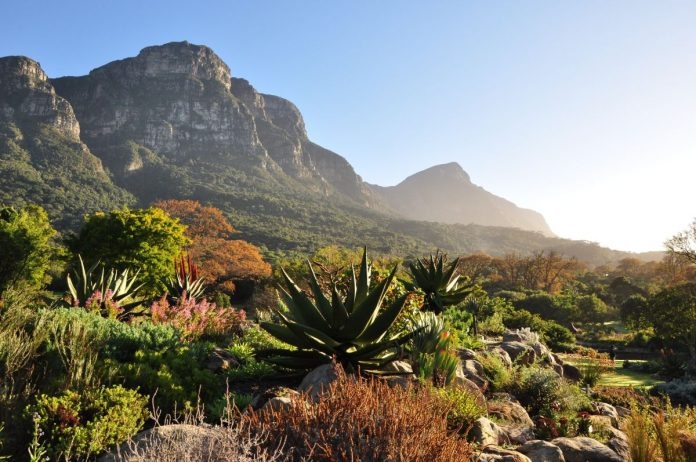
South Africa is among the world’s most biodiverse countries, ranking as one of only 17 “megadiverse” nations globally. The country is home to three of the world’s 36 biodiversity hotspots and ranks third worldwide for marine species found nowhere else on Earth.
This natural wealth isn’t just beautiful – it’s economically vital. South Africa’s biodiversity supports millions of jobs, ensures food and water security, and helps the country cope with climate change impacts.
“Biodiversity underpins both our economy and society,” said Swarts. “It provides essential services and products that sustain human wellbeing and drive inclusive growth and job creation.”
The 2025 assessment marks 20 years since South Africa began systematically tracking its biodiversity health. The latest report represents the work of over 490 experts from more than 110 institutions, making it the most comprehensive scientific review of the country’s natural systems ever undertaken.
The assessment covers everything from land-based ecosystems and freshwater systems to marine environments, including the remote Prince Edward Islands in the subantarctic.
The report delivers a nuanced picture of South Africa’s environmental health. While climate change, pollution, invasive species, and illegal harvesting continue to threaten ecosystems and wildlife, the assessment also highlights encouraging improvements.
Areas with strong environmental management, community conservation efforts, and restoration projects are showing measurable progress. This demonstrates that conservation investments are working and provides a roadmap for expanding successful approaches.
“The positive news is that the country now has clearer evidence than ever before, helping government and partners plan practical and targeted responses,” the report states.
The assessment isn’t just an academic exercise – it’s designed to guide real-world decision-making. The findings will inform South Africa’s contributions to global environmental agreements and support the country’s National Development Plan 2030.
Crucially, the report is “digital-first,” offering open access to datasets and analytical tools. This transparency allows businesses, communities, researchers, and government agencies to use the data for their own conservation and development planning.
ALSO READ: Western Cape adds 47,000 hectares to conservation network in major wildlife protection win
One of the key messages from the assessment is that partnerships produce better results. The report highlights opportunities to strengthen local economies, improve climate resilience, and enhance community wellbeing through collaborative biodiversity conservation.
“The findings point to practical opportunities to strengthen wellbeing, support local economies, and improve climate resilience by looking after South Africa’s biodiversity,” said SANBI CEO Shonisani Munzhedzi. “With shared effort, the country can build on existing successes and expand them.”
The assessment provides South Africa with a detailed baseline for measuring future progress. As Mohlago Flora Mokgohloa from the Department of Forestry, Fisheries and the Environment noted at the launch: “The National Biodiversity Assessment gives us the knowledge we need to act – now it is up to all of us to turn this knowledge into lasting change for our country and our people.”
The report comes at a critical time as South Africa works to balance economic development with environmental protection, providing evidence-based guidance for decisions that will shape the country’s natural heritage for generations to come.


You must be logged in to post a comment.