

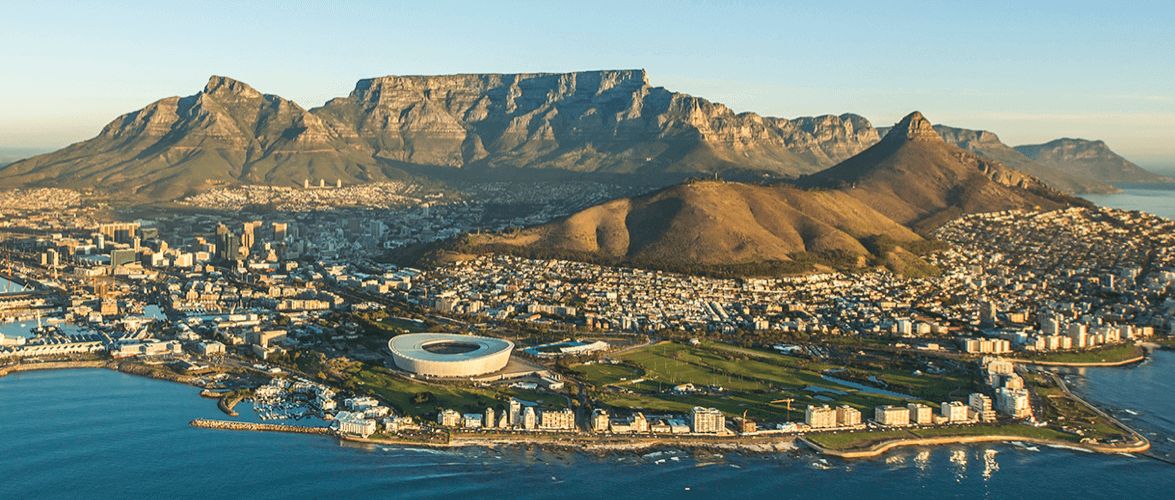
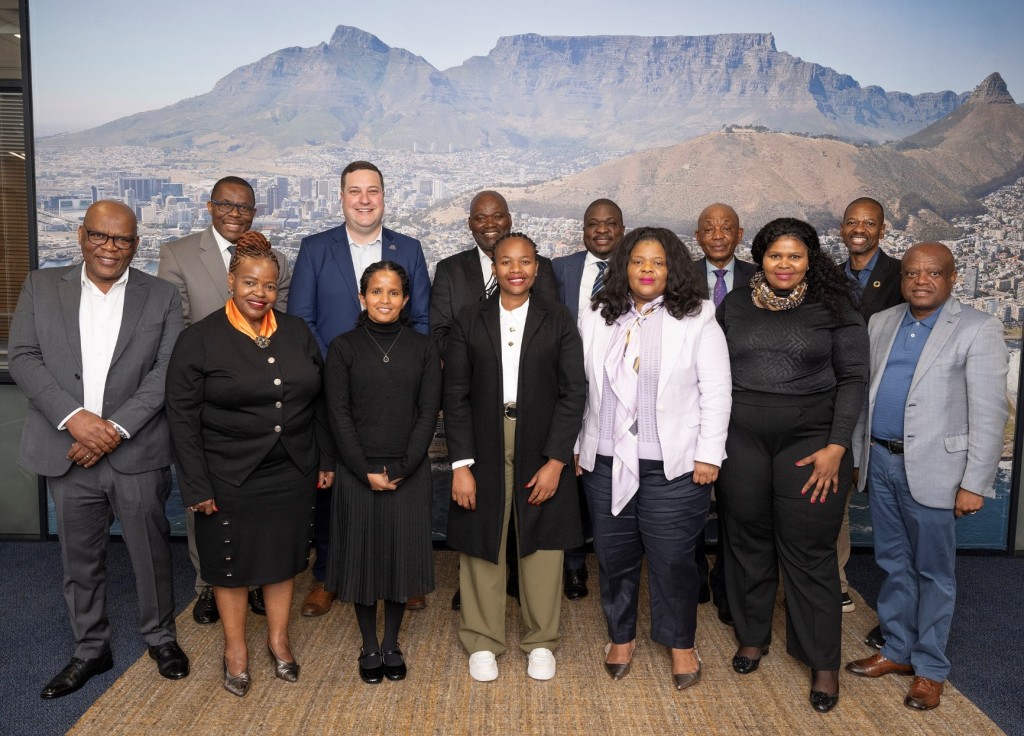
In an unprecedented move, the mayors of South Africa’s eight metropolitan municipalities convened in Cape Town on Tuesday for their first-ever collective meeting, marking a significant step toward coordinated urban governance in the country.
The historic gathering brought together leaders from Cape Town, Johannesburg, eThekwini, Nelson Mandela Bay, Tshwane, Mangaung, Buffalo City, and Ekurhuleni, alongside representatives from the South African Local Government Association (SALGA), to tackle pressing issues affecting the nation’s major cities.
The significance of this meeting cannot be understated. Together, these eight metropolitan areas represent 55% of South Africa’s population and generate over 70% of the country’s economic output, making their coordinated voice potentially transformative for national policy.
“It has always surprised me that Metro Mayors do not interact in a more coordinated way on issues that uniquely affect South Africa’s major cities,” said Cape Town Mayor Geordin Hill-Lewis, who proposed the initiative. “Together these eight cities represent a powerful and important voice, and we should speak together on things which impact us all.”
Central to the discussions were concerns about increasing central government interference in local affairs. The mayors addressed what they described as constant efforts by national government to impose additional legislation and regulation on local governments, often without adequate consultation or funding.
“It is important that we all know that we are not merely local branches of a national head office,” Hill-Lewis said. “The Constitution imbues us with independent powers and functions, and we should be more willing to assert these and resist attempts at over-control.”
SALGA highlighted the massive scale of investment required to maintain and develop South Africa’s urban centers. The organisation noted that metros should collectively be spending approximately R70 billion annually on capital projects over the next decade to keep pace with population growth and infrastructure demands.
The Cape Town mayor strongly endorsed this investment target, noting that his city is already committed to meeting such levels through its ambitious capital investment programme.
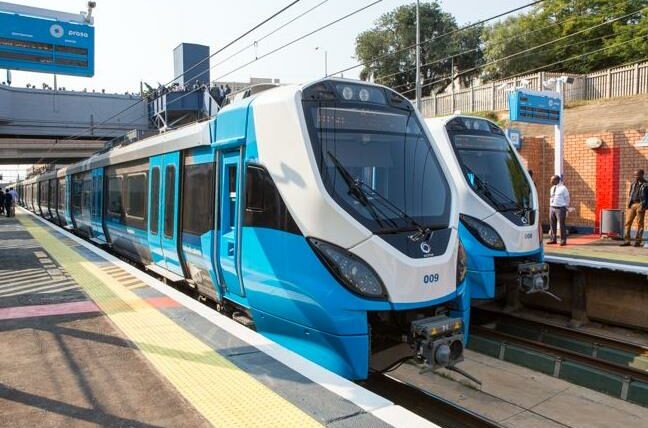
The mayors also emphasised the urgent need for additional powers to be devolved to metropolitan level, particularly in critical areas such as policing and passenger rail management. These sectors have been identified as key bottlenecks preventing cities from effectively serving their growing populations.
Another major concern raised was the failure of metro funding mechanisms to keep up with rapid urban population growth, leaving cities struggling to provide adequate services to expanding communities.
Mayor Hill-Lewis described the meeting as “an important start, with a packed agenda,” expressing optimism that such gatherings would become regular occurrences.
“There is much more to discuss and we look forward to this becoming a more regular engagement,” he said.
The meeting represents a potential shift in how South Africa’s major urban centers approach governance challenges, moving from isolated municipal responses to coordinated metropolitan strategies that could significantly influence national policy and resource allocation.



You must be logged in to post a comment.