

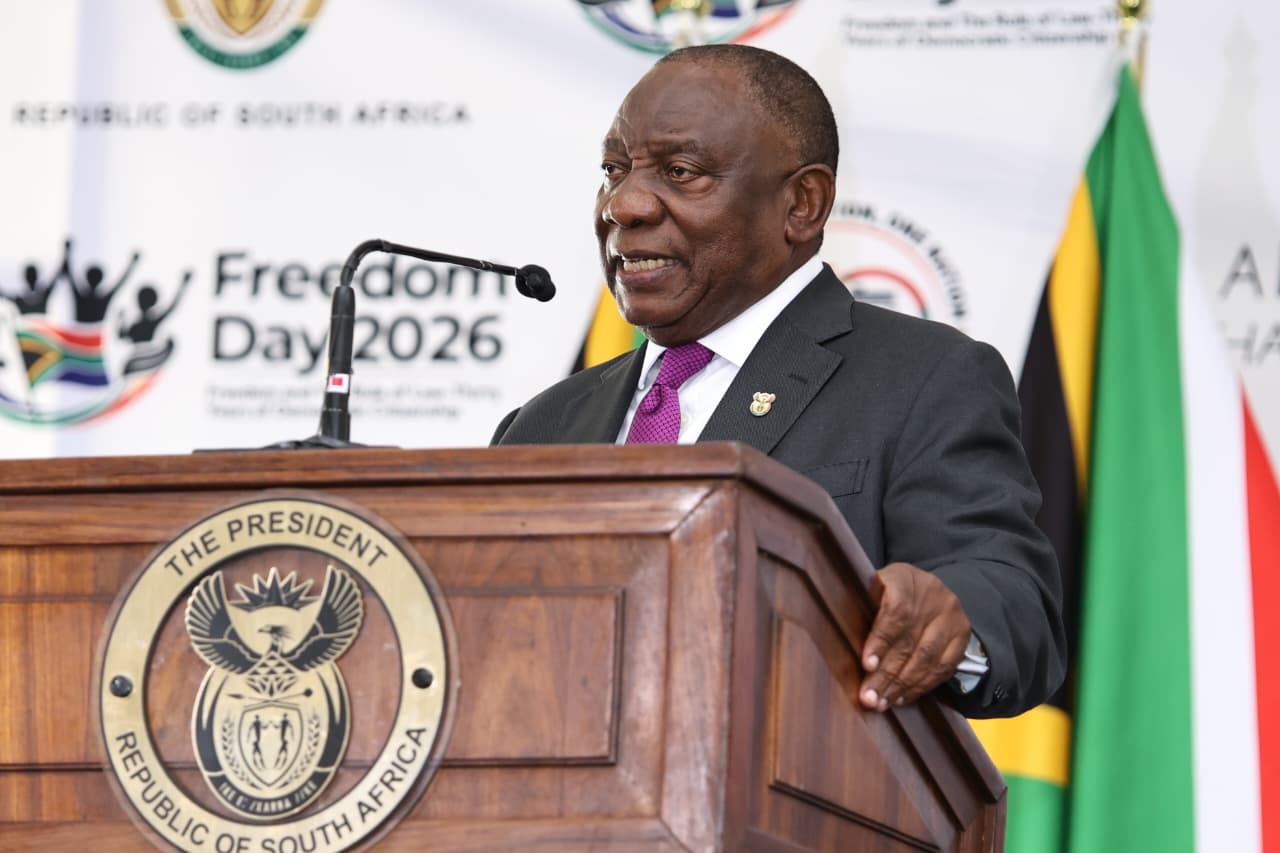
President Cyril Ramaphosa has called for urgent, coordinated action across all three spheres of government to resolve South Africa’s deepening water crisis, warning that poor municipal performance is placing an increasing burden on ordinary citizens.
Addressing an extended Presidential Coordinating Council meeting in Boksburg this week, the president placed the country’s water and sanitation challenges at the centre of government’s priorities, outlining reforms already under way whilst calling for stronger accountability, improved financial management and technical capacity at local level.
The high-level meeting at the Birchwood Hotel and OR Tambo Conference Centre brought together national, provincial and local government leadership in what the president described as a “historic get-together” aimed at strengthening coordination and delivering concrete solutions.
“This is the first time that the PCC holds an extended meeting that brings together all the mayors and municipal managers of our local government tier of government,” he said.
The president said the deterioration of water services across municipalities has become one of the most immediate and widespread challenges facing the country, despite significant gains since the advent of democracy.

Whilst over 82% of households had access to piped water by 2022, up from 61% in 1996, reliability has worsened. The percentage of households that experienced water interruptions lasting more than two days at a time increased from 24% in 2012 to 34% in 2024.
Ramaphosa attributed the crisis to a combination of ageing infrastructure, illegal connections, weak maintenance, poor revenue collection and institutional instability. He warned that metros are losing vast amounts of water before it can even be billed.
“Our eight metropolitan municipalities are collectively losing an average of 34% of all water purchased before it can be billed. Some metros are approaching 50%,” he said.
The president pointed to ongoing reforms under Operation Vulindlela and confirmed that government has already begun implementing structural interventions in the water sector, including the establishment of the National Water Resource Infrastructure Agency and improvements in water-use licensing.
He reiterated the establishment of the National Water Crisis Committee, announced earlier this year during the State of the Nation Address, which will oversee the implementation of a National Water Action Plan.
“As we did to great effect in overcoming load shedding, the Water Crisis Committee will oversee the implementation of a National Water Action Plan,” he said.
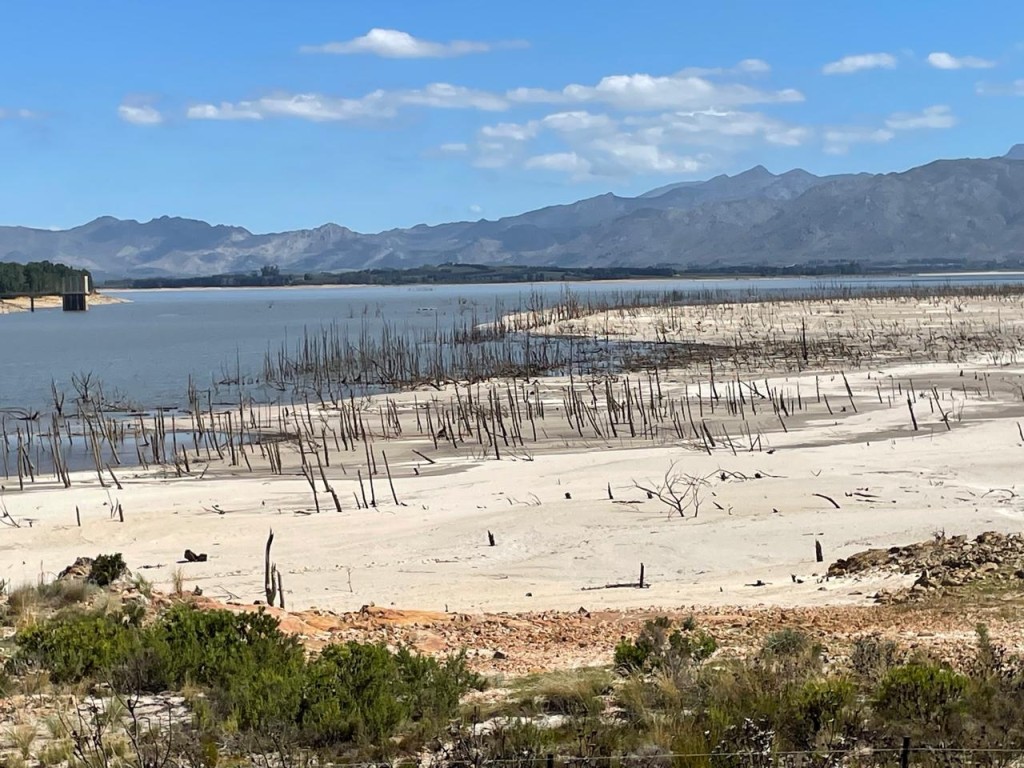
Ramaphosa outlined five key principles to guide government’s response: accountability, financial integrity of water services, strengthened technical and professional capability, consequence management, and practical cooperative governance.
“We are three spheres of government, but we are one State serving one people. We need to be aligned around a shared purpose and disciplined execution,” he said.
The president warned that where there is underperformance it must be corrected, and where there is persistent failure there must be swift intervention.
“There must be no space for corruption, criminality or sabotage,” he said.
He warned that revenue generated from water services must be ring-fenced to support the operation, maintenance, upgrading and long-term sustainability of those services, cautioning that if infrastructure is allowed to deteriorate whilst revenues are diverted to other functions, the water crisis will only deepen.
Beyond the water crisis, Ramaphosa acknowledged broader systemic weaknesses in municipalities, including limited revenue bases, skills shortages and governance instability, noting that the forthcoming White Paper on Local Government will be critical in “reimagining” how municipalities function.
The meeting took place as South Africa observes Freedom Month, which marks the country’s transition from the apartheid regime to a free, democratic country in commemoration of the first democratic elections on 27 April 1994.
“The country is looking to us to secure an uninterrupted supply of water to all citizens, businesses and institutions, now and into the future. We have the means to do this. Let us demonstrate that we have the will,” the president said.




You must be logged in to post a comment.