

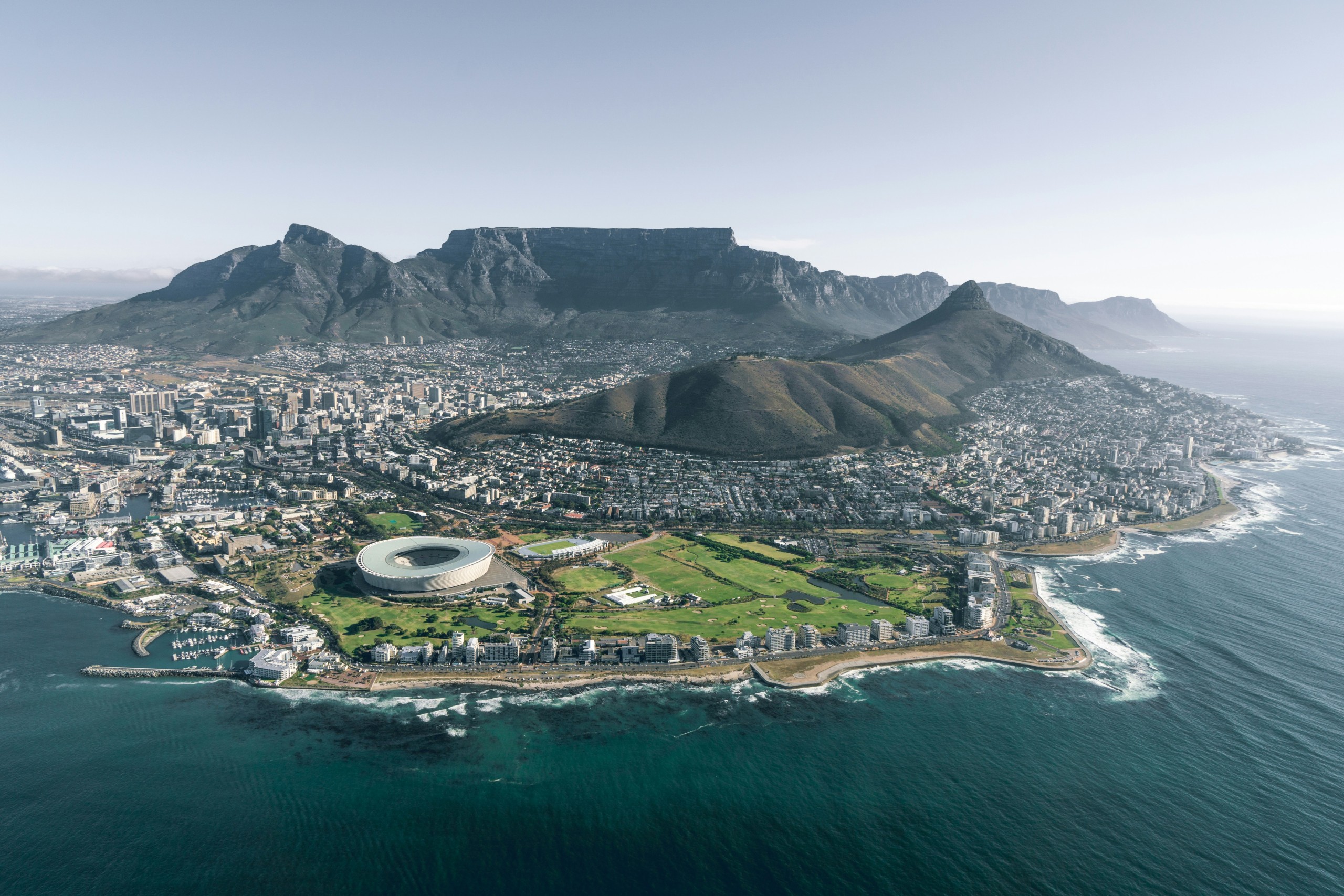
Whilst European nations dominate the upper echelons of the recently published 2026 U.S. News & World Report Best Countries rankings, with Switzerland, Denmark and Sweden claiming the top three positions, South Africa finds itself significantly further down the list at position 81 out of 100 countries evaluated.
This places the nation fifth amongst the 12 African countries featured in the comprehensive study, trailing behind Seychelles (in position 49), Morocco (74), Tunisia (77) and Egypt (80), whilst ranking ahead of Algeria (87), Ghana (90), Kenya (92), Zimbabwe (97), Nigeria (98), Ethiopia (99) and Angola (100).
The considerable gap between South Africa and the European leaders reflects the ongoing challenges of inequality, governance and development that continue to affect the nation more than three decades after the end of apartheid.

The 2026 U.S. News & World Report Best Countries rankings evaluate 100 countries across 100 different data indicators. The Best Countries project is designed to provide citizens, business leaders and policymakers with an objective diagnostic of how effectively a nation serves its people.
Whilst 20th-century progress was often measured primarily by GDP, economic output alone does not make a functional society.
Top 25 countries
Switzerland was listed as the best country in the world for 2026 with an overall score of 78.8. It is one of the world’s wealthiest countries and has been well known for centuries for its neutrality.
Denmark, in position two, received an overall score of 77.2. The Danish government is perceived as highly stable and very transparent.
Sweden is in the third position (76.1). Despite its militaristic roots, Sweden remained neutral in times of war for centuries. Instead, commitment to human rights, public service and sustainability helped make it a respected leader in international affairs.
Positions four to 25 on the list of 100 countries are:
Germany (with a score of 75.5), Netherlands (75), Norway (74.2), United Kingdom (73.3), Finland (73.2), Luxembourg (72.9), Austria (72.7), Belgium (72.7), France (72.4), Ireland (72.3), Australia (72.3), Iceland (71.3), Singapore (70.7), Japan (70.7), United States (69.8), Canada (69.5), South Korea (69.3), New Zealand (68.9), Czech Republic (68.6), Spain (68.4), Italy (68.1) and Slovenia (67).
The United Arab Emirates is number 38 on the list of the 100 countries, China number 42, Saudi Arabia number 51 and Russia number 56.
African countries in the rankings
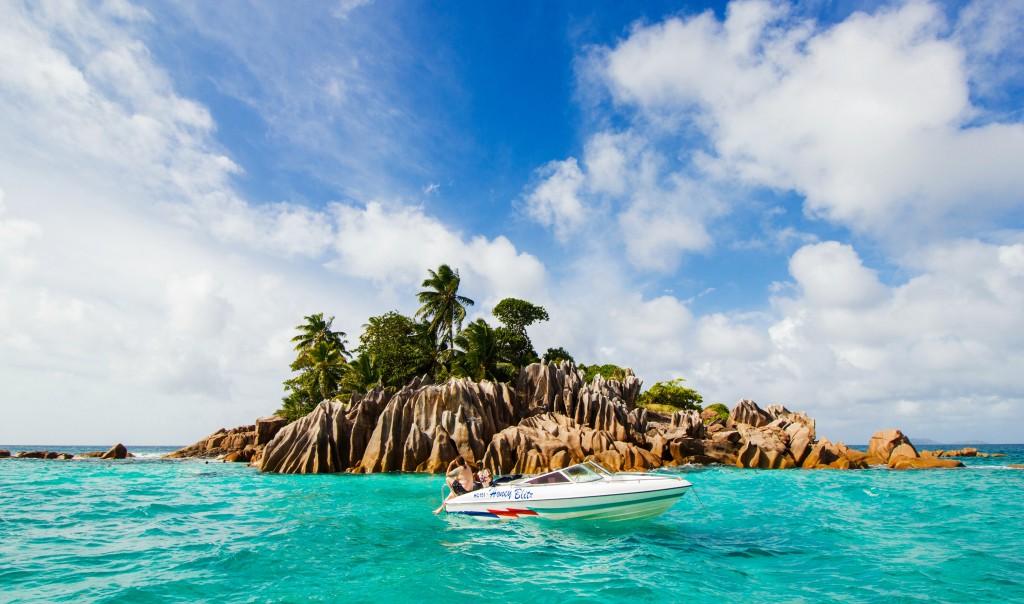
The 12 African countries that were listed, with their overall position, are:
Seychelles (49), Morocco (74), Tunisia (77), Egypt (80), South Africa (81), Algeria (87), Ghana (90), Kenya (92), Zimbabwe (97), Nigeria (98), Ethiopia (99) and Angola (100).
South Africa’s complex reality
In this report, South Africa is described as Africa’s third-largest economy behind Nigeria and Egypt, and as a nation that draws hundreds of thousands of visitors each year eager to see its impressive terrain, wildlife and cultural diversity.
ALSO READ: South African universities struggle to maintain global standing
“Although South Africa has come a long way since the end of apartheid in 1994, it remains a country of vast inequality and high crime. Whilst the country is dotted with world-class dining, trendy shops, sprawling vineyards and upscale safari lodges, townships lacking basic infrastructure are often only a short distance away.”
“Whilst South Africa is celebrated for its largely non-violent transition to democracy, it still faces a host of economic, political and health challenges. The country grapples with immigration tensions, the AIDS epidemic, rising unemployment and persistent poverty. Whilst the ruling party, the African National Congress, has increased services for the country’s poor, it has faced serious allegations of corruption throughout its ranks,” according to the report.
Evaluating national success beyond economics
In compiling the report, countries are not just evaluated by their economic output, but by their “operational health” through the use of eight categories, which are governance (16.7%), economic development (16.5%), health (15.3%), civic health (14.1%), infrastructure (11.3%), opportunity (10.8%), natural environment (9.2%) and culture and tourism (6.1%).
U.S. News assigned weights to the eight categories based on a survey of 42 global experts in diverse disciplines across academia, think tanks and other international organisations. Each expert was tasked with distributing 100 points across the categories based on their importance to a country’s “prosperity, operational health and societal well-being.”
Furthermore, each category was subdivided into multiple subcategories and aims to answer a specific question about what citizens are able to do or to be in a given country.
Data from established institutions like the World Bank and United Nations, as well as specialised non-governmental organisations (NGOs), private firms and peer-reviewed research were used.
Selection criteria for the study
For the 2026 rankings, a total of 100 countries were included. A country had to meet four benchmark criteria to be included in the study, or be a top 50 country in any of those benchmarks:
- Top 125 in gross domestic product (GDP): Any year from 2020 to 2024 (World Bank data).
- Top 125 in foreign direct investment (FDI) inflows: Any year from 2020 to 2024 (World Bank data).
- Top 125 in international tourism: Either total receipts or arrivals between 2019 and 2024 (World Bank data).
- Top 125 in Human Development Index (HDI): Ranking between 2019 and 2023 (United Nations data).
- Data coverage of 80%, meaning a country had data from at least that portion of 100 datasets.
This quantitative screen yielded 91 countries. Nine additional countries above the 80% data coverage threshold, factoring in global influence and regional representation, were then chosen: Cambodia, El Salvador, Ghana, Guatemala, Kenya, Laos, Mongolia, Myanmar and Zimbabwe.



You must be logged in to post a comment.