

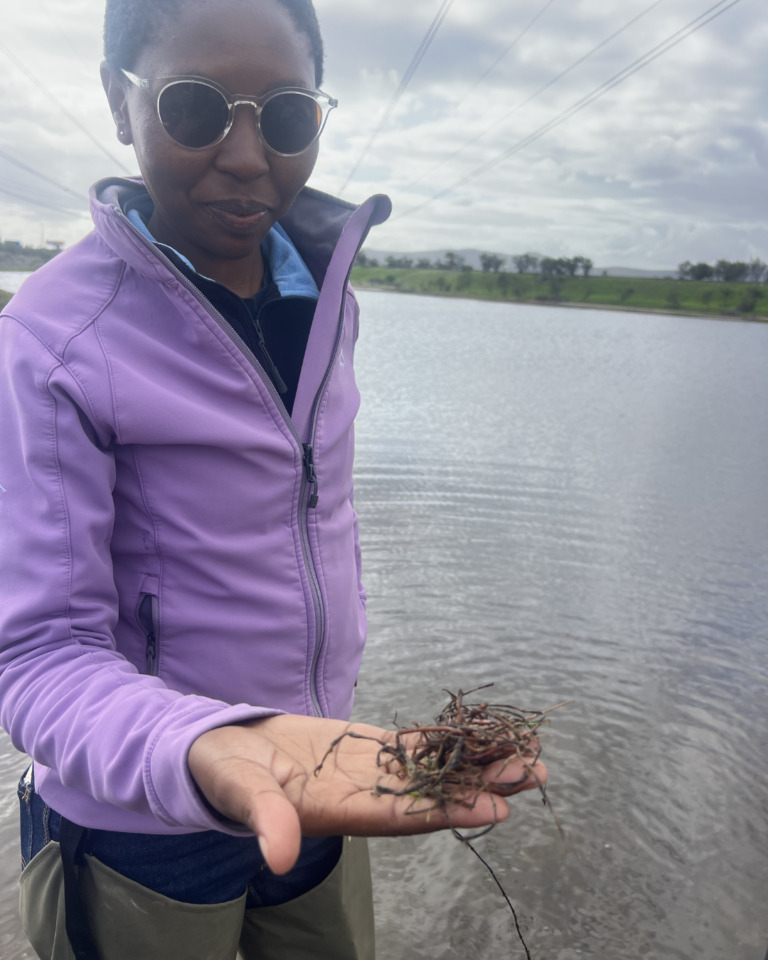
A rare wetland plant once believed to be extinct in Cape Town has been given a new chance at survival through an important conservation initiative at Intaka Island.
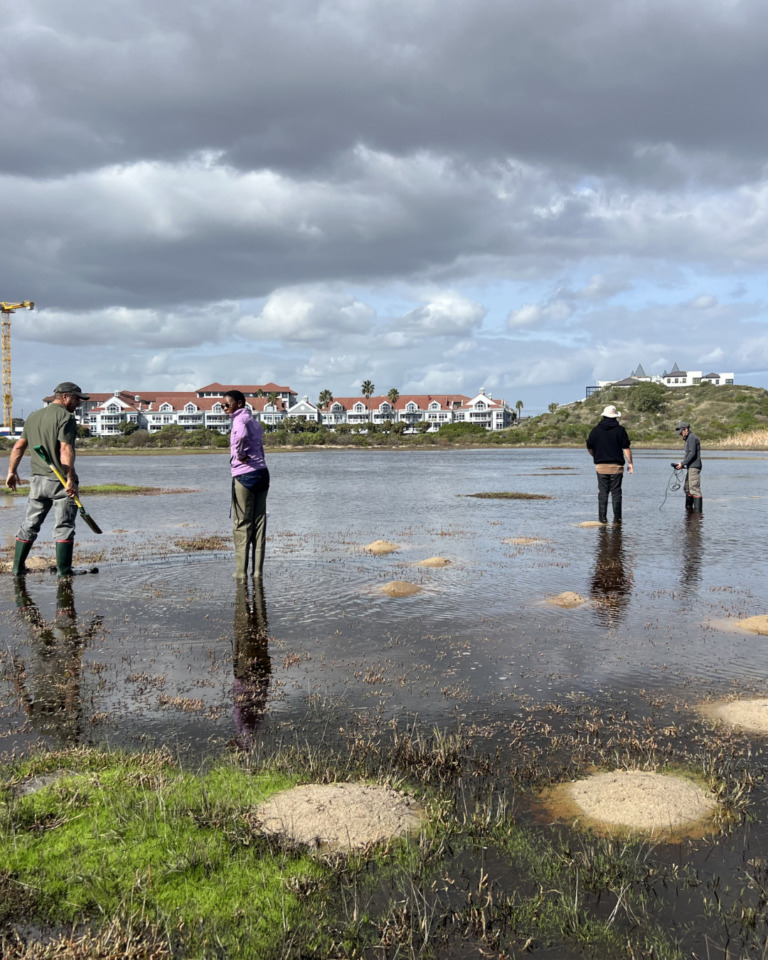
A collaborative team from the City of Cape Town and Intaka Island recently visited Acacia Park Wetland carefully to translocate a small number of Floating Buttons plants, scientifically known as Cotula myriophylloides, to the protected wetland habitat at Intaka Island.
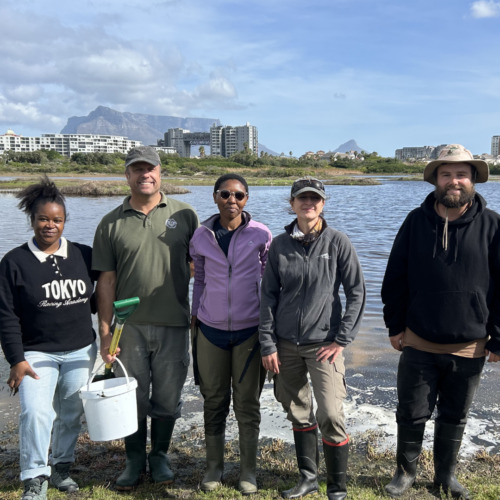
The conservation team included Clifford Dorse, head of conservation services, Lumka Madolo, habitat restoration coordinator, Suretha Dorse of Freshwater Ecology and Priority Species Projects, botanist Dr Stuart Hall and Intaka Island nature conservation officer Ntombifuthi Kabinde.
A species once thought lost
Also known as the “Salt Pan Daisy”, Floating Buttons is an extremely rare aquatic South African daisy species belonging to the Asteraceae family. The species was last officially recorded in Cape Town in 1926 and for decades was believed to have disappeared entirely from the region.
Historically, the plant occurred in wetlands stretching from Noordhoek to Table Bay within the Cape Lowland Freshwater Wetland ecosystem. However, years of urban expansion, habitat destruction, invasive vegetation and wetland degradation caused dramatic population declines.
Rediscovered after nearly 100 years
The species was rediscovered in 2024 in what conservationists described as a major milestone for biodiversity conservation in Cape Town and South Africa.
A healthy population of Floating Buttons was found at the Acacia Park wetland site, which is owned by Transnet. Following the discovery, Transnet partnered with the City’s Biodiversity Management Branch to help conserve the sensitive wetland habitat.
Despite the exciting rediscovery the species remains classified as Critically Endangered, prompting urgent conservation measures to help secure its future.
Why Intaka Island was chosen
“Intaka Island was selected as a translocation site for Cotula myriophylloides because its seasonal wetland closely resembles the species’ natural habitat at Acacia Park, particularly in terms of clay-rich soils, salinity, pH and overall wetland conditions,” said Louise de Roubaix, environmental manager of the Century City Property Owners Association.
“The site’s protected status and active ecological management further improves the likelihood that the species will successfully adapt, establish and thrive over time.”
Water-quality assessments conducted during 2024, together with the presence of other aquatic plant species, indicated the wetland ecosystem is capable of supporting the critically endangered plant.
Protecting Cape Flats wetlands
“The rediscovery of Cotula myriophylloides has reignited hope for the conservation of Cape Town’s fragile wetland systems,” the conservation team said.
The translocation forms part of broader conservation efforts aimed at protecting the unique biodiversity of the Cape Flats wetland systems, many of which remain under pressure from urban development and environmental degradation.
Conservationists hope the project will not only secure the future of Floating Buttons, but also highlight the importance of preserving fragile wetland ecosystems that support species found nowhere else in the world.
For now the focus shifts to monitoring the plants and determining whether they can successfully settle and thrive in their new home at Intaka Island.
ALSO READ: Caracal sightings on Intaka Island


You must be logged in to post a comment.