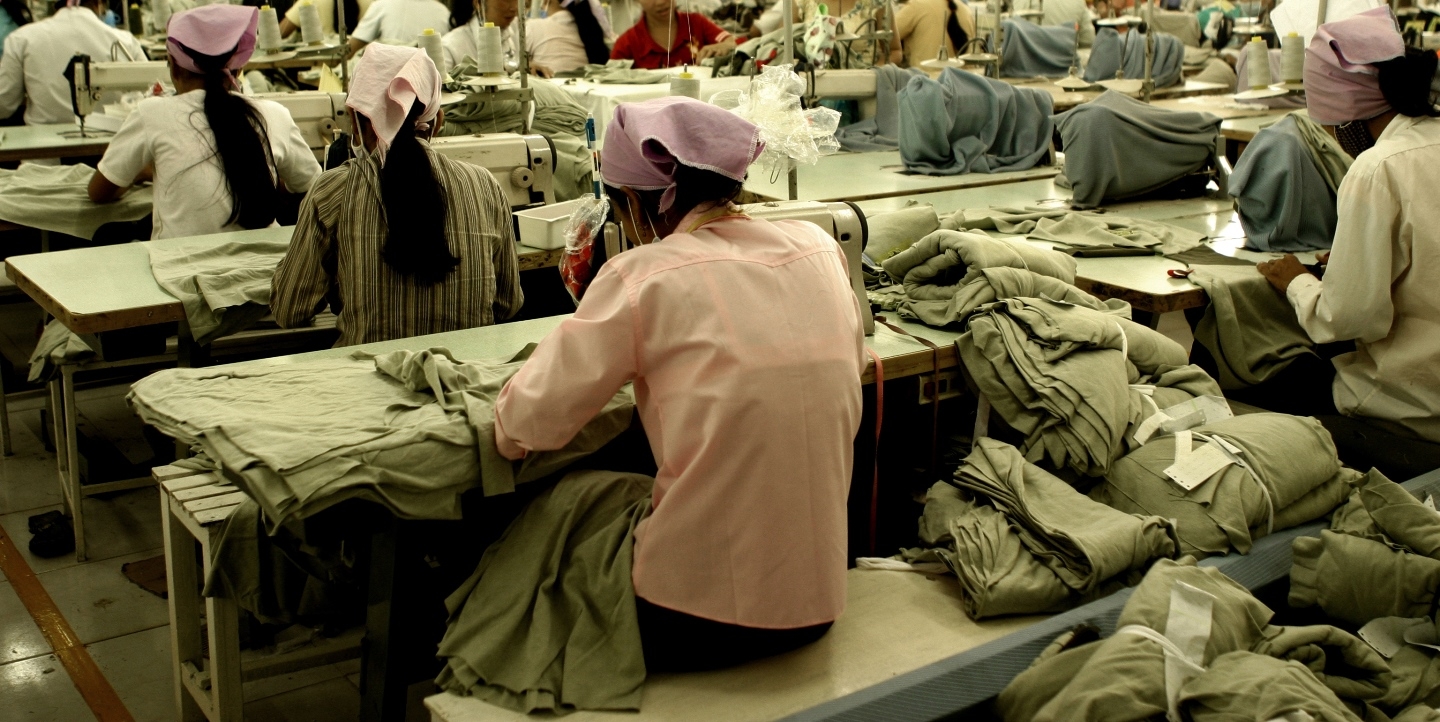
A Tshwane textile factory has been found locking workers inside during night shifts whilst paying them below minimum wage and denying them basic employment rights, in revelations uncovered during government’s first coordinated nationwide labour enforcement operation.
The director of Korteks Textiles Africa (Pty) Ltd was arrested on Friday following inspections that revealed workers were being paid R28 an hour instead of the legal minimum wage of R30.23, forced to work excessive hours without overtime, and locked inside the factory from 18:00 until 07:00 during night shifts.
Eight undocumented foreign nationals were also arrested during the operation, which saw inspectors from the Departments of Employment and Labour and Home Affairs conduct simultaneous raids across all nine provinces.
Litany of labour law violations uncovered
Deputy Minister of Employment and Labour Jomo Sibiya said the inspections revealed the company was “literally not complying with a number of our labour and immigration laws”.
Beyond the underpayment and forced confinement, inspectors found workers were not registered with the UIF or Compensation Fund, lacked employment contracts, and were not provided with personal protective equipment. Employees complained they received only a one-week shutdown in December instead of proper annual leave.
“It’s a litany of challenges and undermining a number of our laws that we have observed in this company, and we are going to make sure that there is change,” Sibiya said.
Outstanding wages to be recovered
The Department of Employment and Labour has committed to calculating and recovering all outstanding wages owed to the exploited workers.
“We are going to calculate how much they owe workers. We are going to go back and make sure that they are paid whatever that they are owed,” Sibiya said.
He added that employing undocumented foreign nationals was a criminal offence.
Cutting demand for illegal labour
Deputy Minister of Home Affairs Njabulo Nzuza dismissed claims by the company director that some undocumented employees were permitted to work whilst awaiting documentation.
Nzuza said targeting employers who knowingly hire undocumented foreign nationals was essential to curbing illegal migration.
“The issue here is that we are cutting the demand for illegal migrant labour. That will deal with our problem of the influx of illegal people because they are guaranteed a job, even though they are illegal,” Nzuza said.
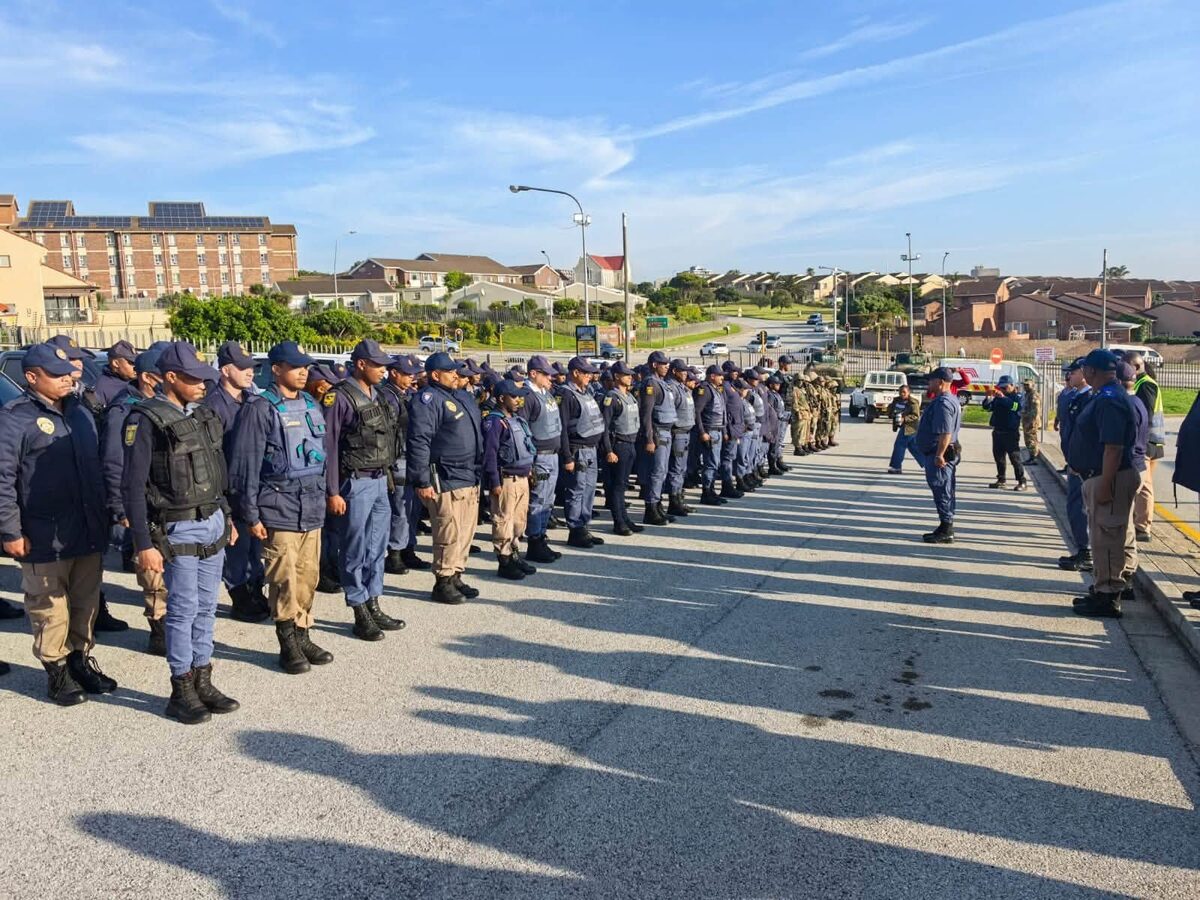
The nationwide multidisciplinary operation involved the Departments of Employment and Labour, Home Affairs, SAPS and other enforcement agencies, aimed at strengthening compliance with labour and immigration legislation to protect workers’ rights.
ALSO READ: Authorities investigate alleged sweatshop operations in Newcastle