Summertime, and the living is … bustling at Cape Town’s beaches, mountains, forests and feasting spots. Holidaymakers descend on the Mother City every year to enjoy a festive cocktail of turquoise seas, golden sands, flashy sights, and the sounds of marimba bands competing with minstrels practicing for the annual Tweede Nuwe Jaar (Second New Year) carnival.
If you need respite from the crowds, why not take a trip along the N1 towards the peaceful spaces of the Western Cape’s hinterlands and the tranquil expanses of the Karoo?
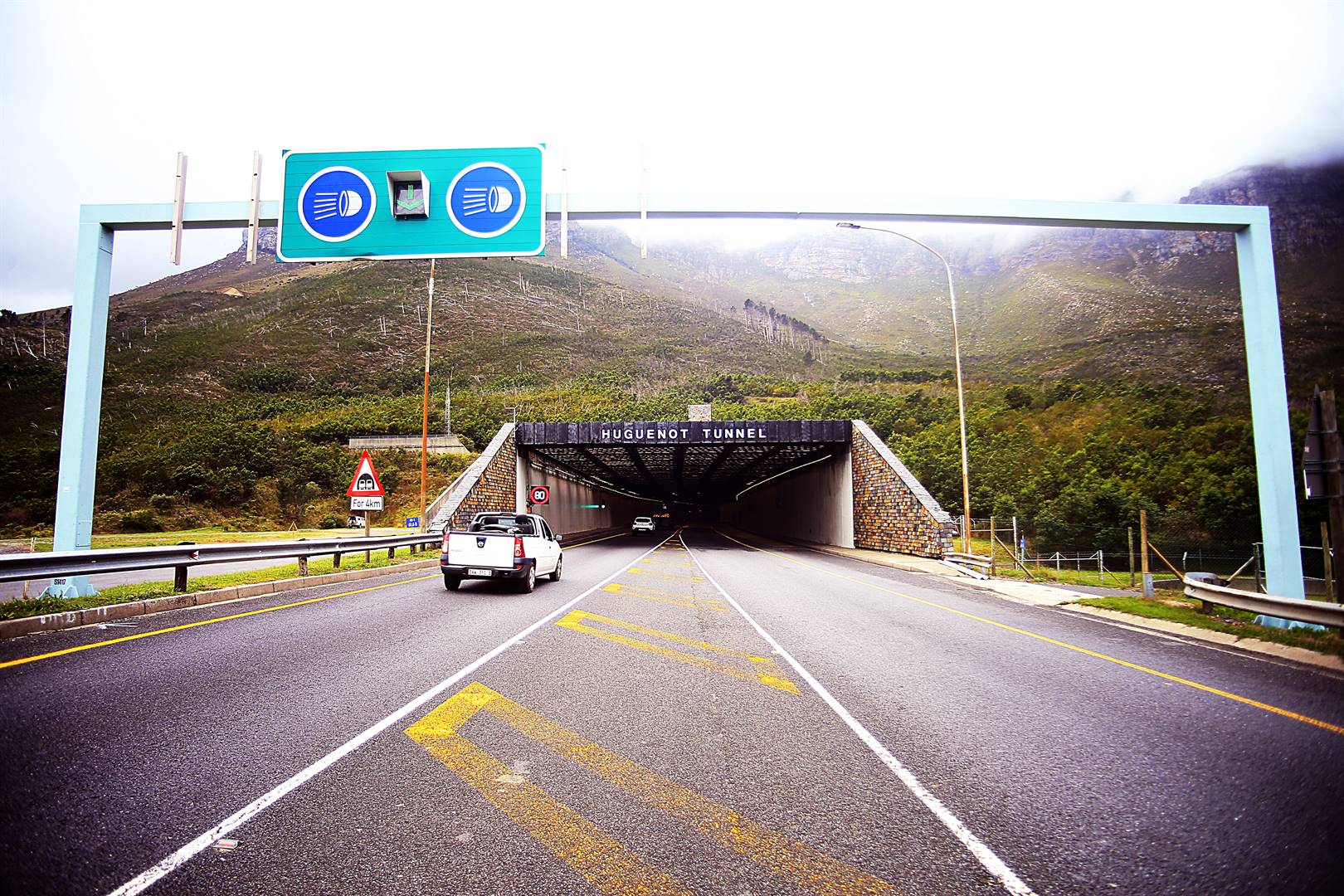
With Table Mountain in the rearview mirror, the road out of Cape Town takes you towards the Huguenot Tunnel that will deliver you to the north of South Africa. At 4km long, the tunnel is the longest in the country, intersecting the Du Toitskloof Mountains that separate the towns of Paarl and Worcester.
More expansively, the tunnel provides a safer, faster (between 15 and 26 minutes) and shorter (by 11km) route to the north and economic opportunities than the old Du Toitskloof Pass, which winds over the mountain.
Since this is holiday time, though, you might first want to take a sho’t left to Paarl. Deriving its name from the Dutch word for “pearl”, Paarl is the largest town in the Cape Winelands, the second oldest wine route, and the third oldest town in South Africa. Renowned for its viticulture and fruit farms, during the summer season it also offers a smorgasbord of events from Christmas markets and light festivals to a trail run – if you want to mix it up with something more strenuous than lifting a wine glass.
Its restaurants, coffee shops and farms are famed for their fabulous fare. If you have time for just one stop, perhaps it should be the fabled Babylonstoren, which is on the border of Paarl and Franschhoek, especially if you fancy some fresh farm food to take along on your trip. And since it’s the season, you can also procure some presents from Babylonstoren’s exquisitely curated selection of home, beauty and pantry gifts.
Babylonstoren, one of the oldest working Cape Dutch farms, is home to a contemporary hotel, shop, deli and restaurants. Here you can get lost in a beautiful garden known for its diverse plants, fruit trees and vegetables – the inspiration for the “farm to fork” philosophy of its two restaurants, Babel and the Old Bakery.
Babylonstoren won the Innovative Wine Tourism Experiences category prize in the 2022 Best of Wine Tourism Awards, so you might want to take a tour of the farm’s wine tunnels with its master winemakers and sample a tasting of their finest, paired with farm-grown artisanal treats.
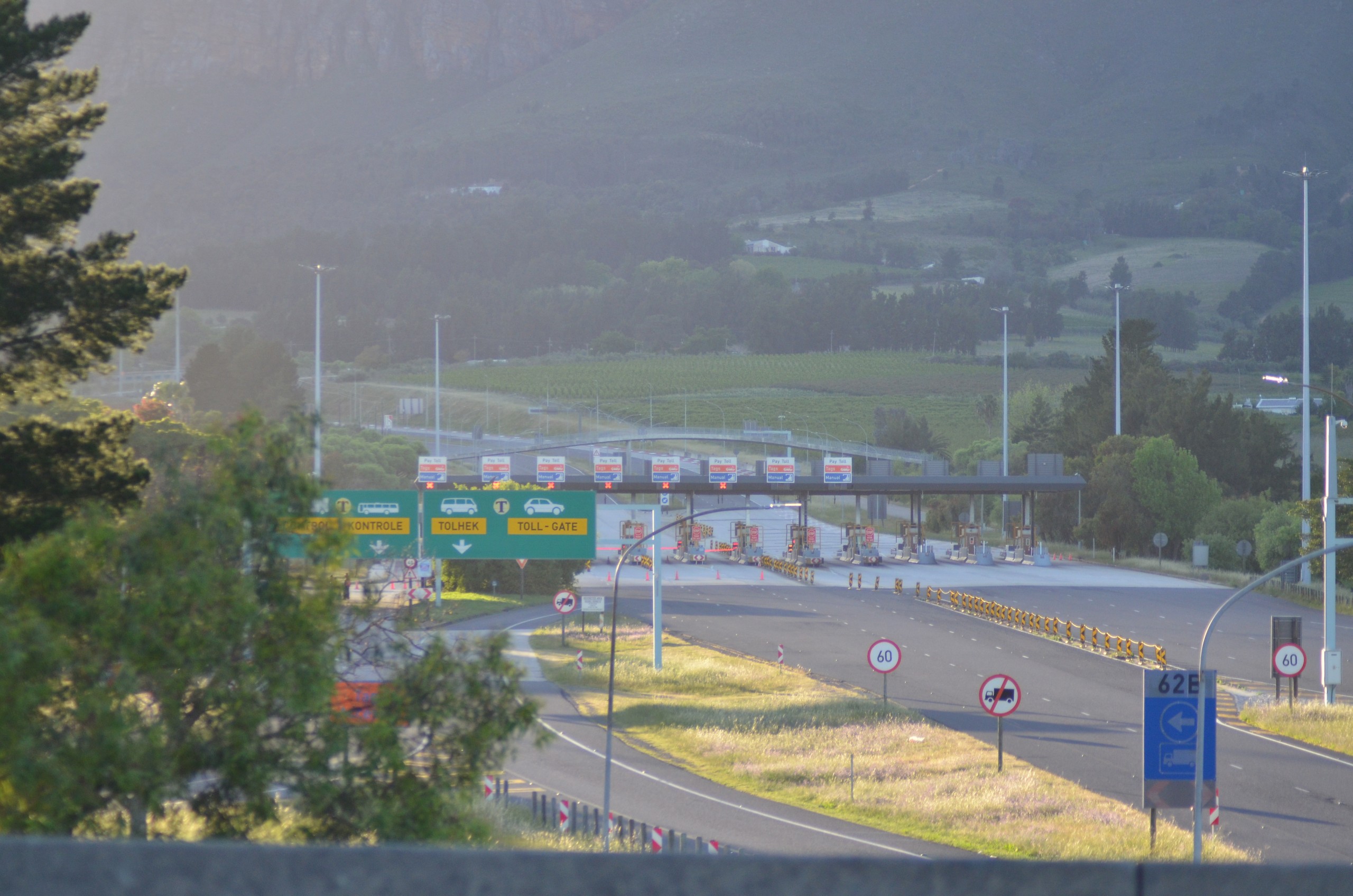
When you’re ready to hit the tar again, return to the N1 via the Huguenot Tunnel. As you approach the tunnel from its south side, take time to note the beautiful viaduct bridge, which is simultaneously curved and cambered. It was the first of its kind to be built in South Africa.
The tunnel itself is a feat of visionary engineering. Its excavation, which began in 1984 with the tunnel opening on 18 March 1988, comprised tunnelling from both ends through drilling and blasting. Famously, the two drilling heads are known to have been out by only 3mm as they met in the middle.
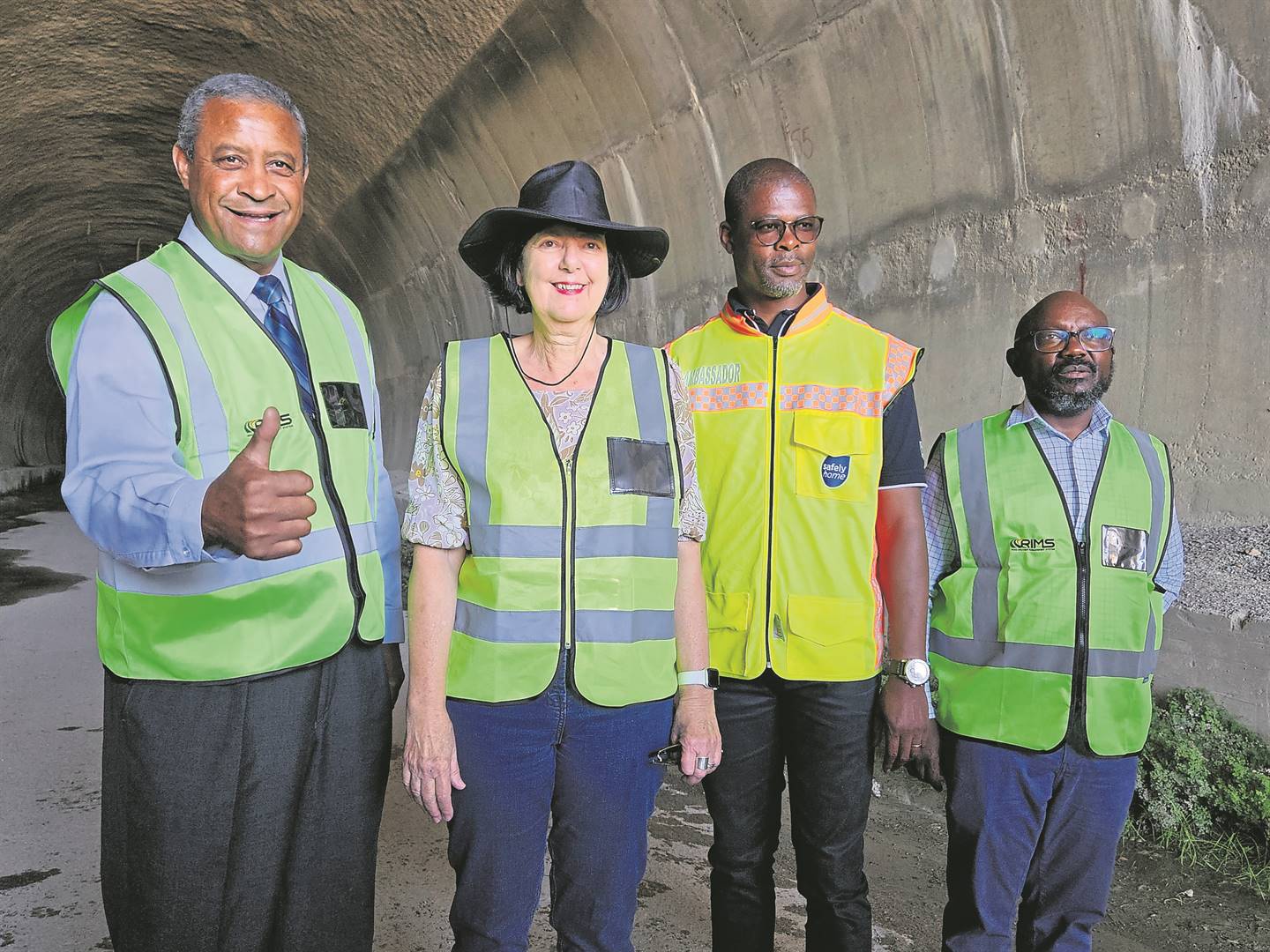
Randall Cable, South African National Roads Agency SOC Limited’s (SANRAL) Regional Manager, recently paid tribute to the forethought of the engineers who designed the tunnel for simultaneously creating a second adjacent tunnel to service the main one.
SANRAL manages and maintains South Africa’s national roads, including the N1 and the tunnel. As the agency launches a R4-billion project to expand the tunnel, upgrading the old service tunnel into a second one to create two lanes in each direction would have been prohibitively expensive, had this second tunnel not been excavated.
Upgrades in recent years have improved lighting and ventilation in the tunnel. Entering through the Cape Town side, where the landscape marries light industry with a peri-urban edge, travelling through the tunnel is a pleasure. And as you leave it, you’ll be greeted by Du Toitskloof’s dramatic natural beauty.
The peaks of Du Toitskloof rise close to the road before you dip into the lush green undulating hills of the Hex River Valley. If you have time, take a hike through Du Toitskloof, where crags and gorges border the river known for its trout fishing and clear, cool mountain pools.
But road signs beckon to places like Prince Albert and Sutherland, home to the world’s largest radio telescope, the Square Kilometre Array, an international initiative hosted by South Africa. Or perhaps you’d prefer a coffee stop at the magical Matjiesfontein some 120km from the tunnel along the N1.
The whole of Matjiesfontein was declared a national monument in 1975. Established in the late 1800s, the Victorian edifices of the Lord Milner Hotel, Post Office and Transport Museum will take you into another era. This quaint village at the start of the Great Karoo attracted luminaries such as Rudyard Kipling and Winston Churchill to “take in the air” and the area’s healing climatic conditions.
Today you can partake of the baked goods and hot beverages at Matjiesfontein’s cherished Coffee House, once Logan’s General Store, and still bordered by large brightly coloured vintage petrol pumps.
Just over 400km further along the N1 you’ll come to Karoo National Park, where you can chill out at a choice of rest camp cottages, or unwind under the stars at a pristine campsite.
You’ll need time to view the park’s range of springbok, wildebeest, deer and ostrich, not to mention the spectacular black eagle and bashful eagle owl. Karoo National Park is also home to the most tortoise species (five) to be found in any conservation area in the world. With night game drives, a fossil trail and San drawings to discover, the park is a good place for a break.
The journey being as important as the destination, travellers can soak up the country’s world-class roads that wind through the Western Cape’s magnificent and varied landscape and return them safely through the Huguenot Tunnel to Cape Town’s bright lights and big city vibes.