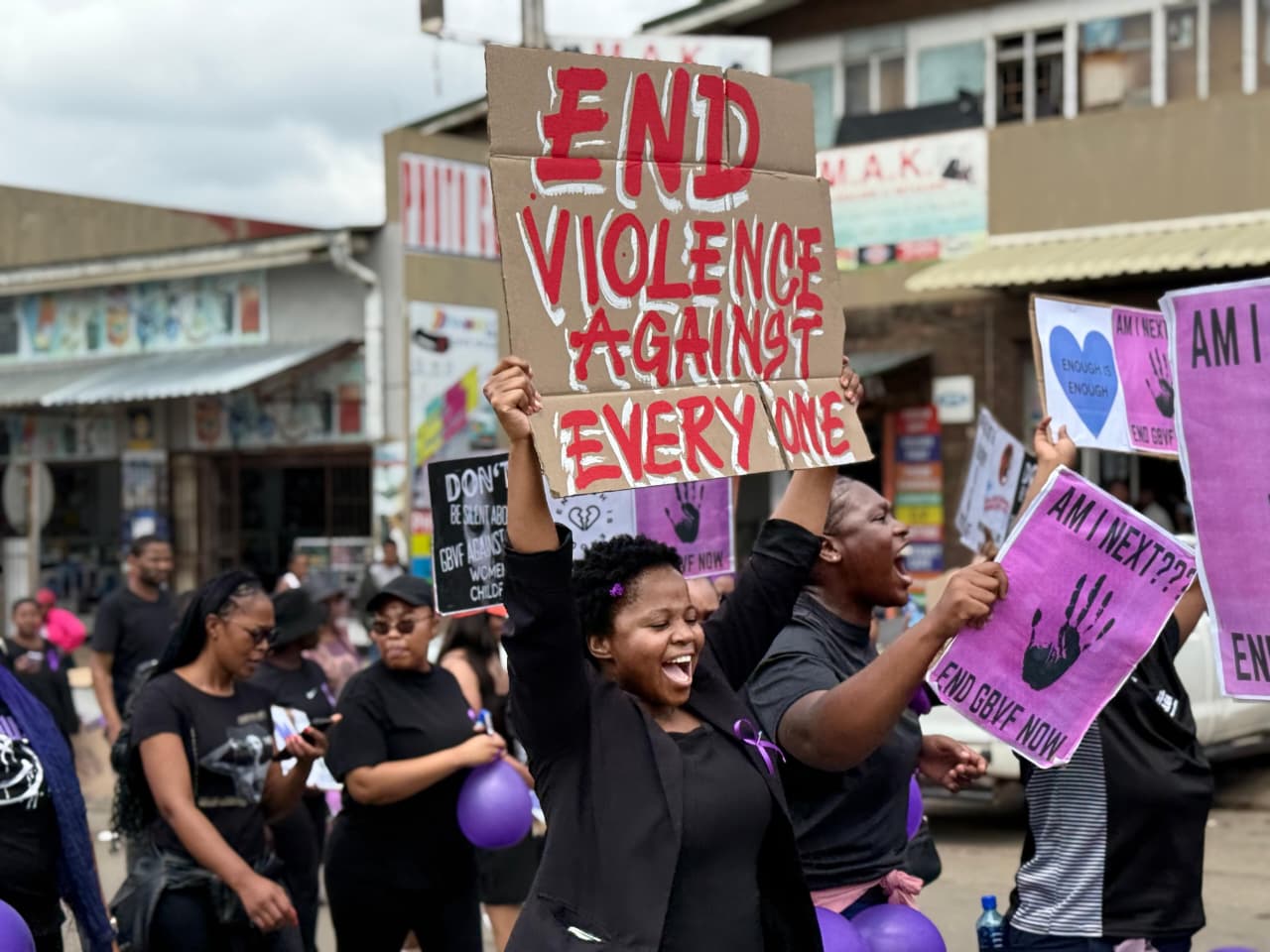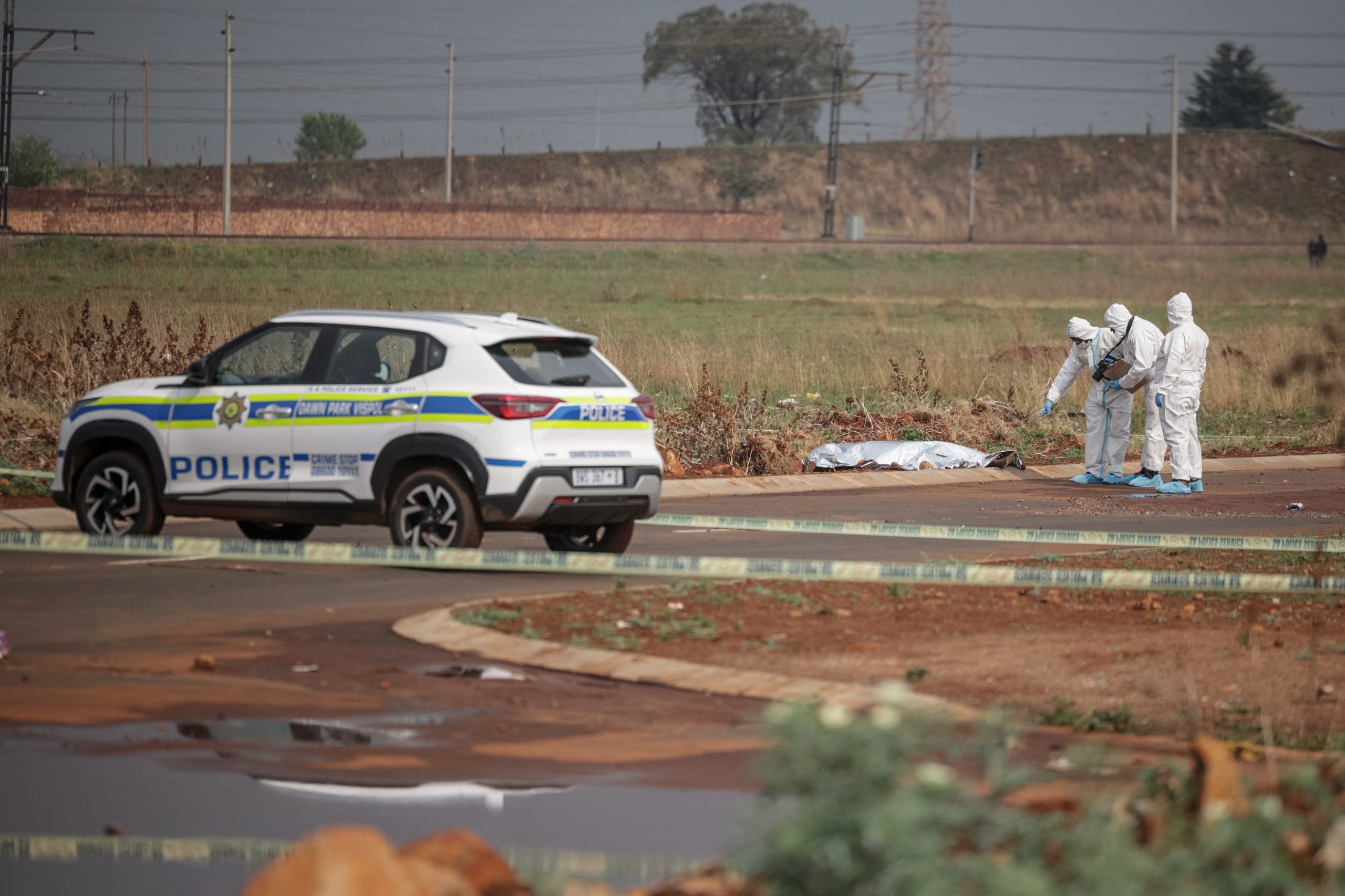
The National Shelter Movement of South Africa (NSMSA) has criticised President Cyril Ramaphosa’s response to gender-based violence after the discovery of 11 women’s bodies in Ekurhuleni since July and another in Soweto.
The umbrella organisation, which supports about 100 shelters across the country, says the President’s address to the nation last week amounted to “audits, reviews, plans and renewed commitments” rather than concrete action.
“South Africans have heard this speech before. Seven years after the President first addressed the nation on this crisis, women are still being brutally killed,” the NSMSA Board says.
Government response falls short
The movement welcomed announcements on addressing unresolved cases, forensic backlogs, women’s safety and alcohol-related violence, but says these commitments must be backed by measurable outcomes, clear timelines, dedicated resources and public accountability.
The organisation says gender-based violence and femicide (GBVF) thrives in environments where accountability is weak and institutions fail.
“Women pay the price when institutions meant to protect them fail to act,” the NSMSA says.
The movement expressed concern that the president’s address did not engage with institutional accountability, noting that South Africa cannot tackle GBVF without confronting corruption, misconduct and failures of governance.
High-profile cases raise concerns
The movement raised concerns about two recent cases involving allegations of violence against women.
Businessman Lawrence Mudzinganyama, accused of threatening the lives of three women at a Sandton restaurant, received bail of R15 000.
“This type of leniency sends the wrong message to perpetrators. South Africans must see accountability applied equally to everyone, regardless of status or position,” the NSMSA says.
The organisation called for no bail in the case of suspended Deputy National Police Commissioner Lieutenant-General Shadrack Sibiya, who faces charges of rape, human trafficking and sexual grooming involving an 18-year-old and a 16-year-old girl.
The NSMSA questioned vetting requirements for senior police officials, noting that NGOs working with women and children require annual police clearance and biennial compliance checks with the sexual offences register.
“How does the vetting process work for a Police Commissioner? Surely, given the level of power, influence and public trust in the position, there should be far stricter requirements,” the movement says.
Calls for dedicated funding and prevention
The NSMSA says the GBVF national disaster classification has not resulted in additional resources for proven interventions.
The organisation calls for dedicated funding for specialised courts, ring-fenced GBVF funding for shelters, survivor services, policing and forensic capacity.
It wants the Department of Justice to present a clear plan for reducing delays in processing protection orders and progressing cases to conviction.
ALSO READ: Ramaphosa declares emergency response to Gauteng femicide crisis
The movement also wants a national strategy promoting positive masculinity and addressing harmful attitudes towards consent, power, relationships and violence, with measurable targets.
“We cannot keep teaching women how to survive violence. We need to prevent violence from happening in the first place. The burden of ending GBVF cannot continue to fall on women,” the NSMSA says.
The organisation will continue to monitor the Ekurhuleni investigations and court proceedings involving Mudzinganyama and Sibiya.
“Women do not need another speech acknowledging the crisis. They need to see the crisis being handled – with urgency, resources, measurable targets and consequences when institutions fail,” the movement says.
Help available
National GBV Shelter Helpline – toll-free, 24/7: 0800 001 005
SMS/WhatsApp/Please Call Me: 082 057 8600 | 082 058 2215 | 072 230 7147
ALSO READ: Ramaphosa gives departments 60 days to deliver alcohol violence reduction plan