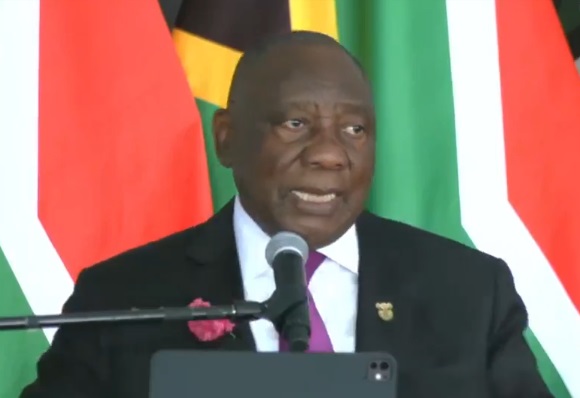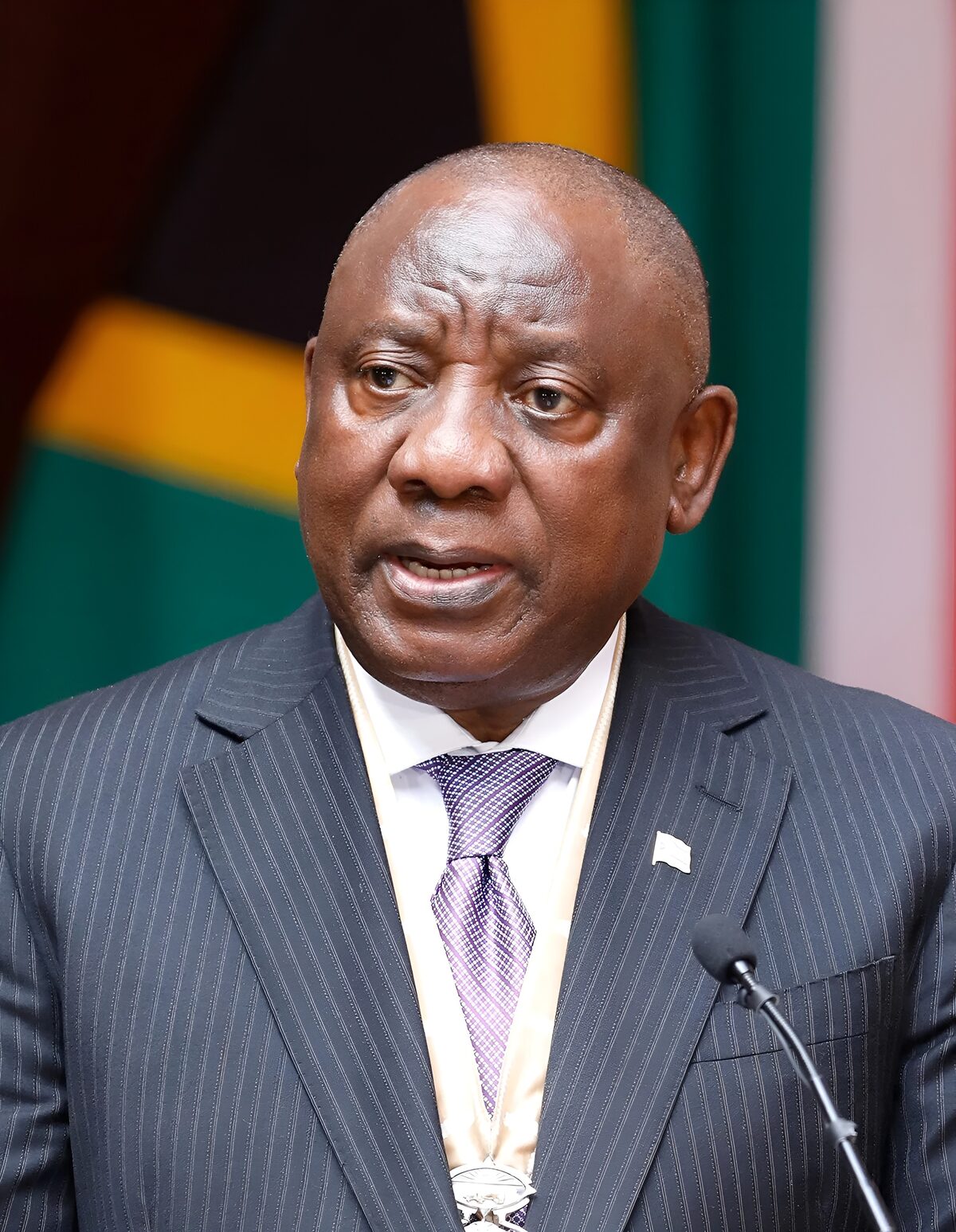
President Cyril Ramaphosa has given five key government departments 60 days to deliver a coordinated package of laws and enforcement measures aimed at reducing alcohol-related violence.
The directive forms part of four urgent measures announced this week following recent murders of women in Ekurhuleni and the broader gender-based violence crisis affecting the country.
South Africa’s first National Gender-Based Violence Study found that 35,5% of women aged 18 and older had experienced physical or sexual violence during their lifetime. This represents about 7,85 million women. Almost one in four women had experienced physical or sexual intimate partner violence, with heavy drinkers almost twice as likely to have committed that violence.
Alcohol ignites and worsens violence
Violence against women and children stems from unequal power, but alcohol often triggers it or makes it worse. While deeper causes including patriarchal attitudes, poverty and economic strain need long-term effort to shift, curbing heavy drinking can start immediately.
“Strengthening alcohol policy is not a substitute for interventions that promote gender equity, but it is a catalyst for their success,” says Kashifa Ancer, project lead of Rethink Your Drink, an alcohol harms reduction campaign by the DG Murray Trust.
Ancer notes that the president’s directive signals a more integrated approach, with alcohol-related harm addressed across government departments and violence prevention at the centre.
What the plan should contain
The president had already outlined several possible policy directions in his 2026 State of the Nation Address. He called on provinces to limit the density of liquor outlets, restrict trading hours and end the sale of alcohol in large containers. National Treasury currently reviews proposed pricing measures including minimum unit pricing and higher excise duties.
Rethink Your Drink calls for a package of measures that limits alcohol availability, raises prices, restricts advertising and applies evidence-based interventions recommended by the World Health Organisation.
This could include restricting growth of liquor outlets in high-risk areas with clearer rules on how many outlets can operate in a community and where. Limited trading hours, especially in high-risk communities, should also feature.
The campaign calls for tougher enforcement and stronger consequences for unlawful trading, backed by improved coordination between liquor authorities, municipalities and police. Higher prices for cheap alcohol, often preferred by the heaviest drinkers, should be implemented.
Stricter marketing rules protecting children from alcohol advertisements and better prevention and treatment services for those who need it should also form part of the package.
ALSO READ: President calls for unity and an end to violence as he reflects on Heritage Day
Children caught in the cycle
Violence against women and violence against children often happen in the same homes. The South African Child Gauge 2025 reported that 42% of children had experienced some form of maltreatment by an adult responsible for their care. Harmful alcohol and drug use are common risk factors in both violence against women and violence against children.
Children who experience or witness violence may face increased risks of becoming victims or perpetrators later in life, creating an intergenerational cycle of harm.
“When alcohol-related harm enters a home, children experience it too. They may witness violence, experience violence themselves, lose caregivers, or grow up in environments where harmful drinking and violence are normalised,” says Ancer.
The campaign maintains that tackling heavy drinking offers an immediate intervention that can help make homes safer for both women and children.
- Rethink Your Drink is an alcohol harms reduction campaign by the DG Murray Trust (DGMT). The campaign challenges the norms, policies, and industry practices that promote and normalise heavy drinking, with a special focus on protecting young people and under-resourced communities.
ALSO READ: Ramaphosa declares emergency response to Gauteng femicide crisis